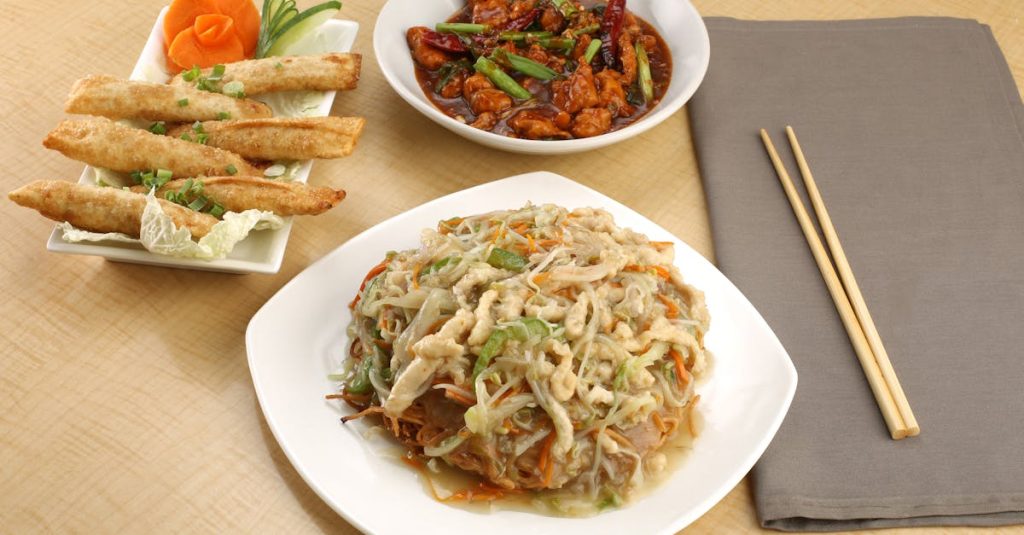
Sichuan cuisine (川菜, Chuān cài) stands as one of the most influential and beloved regional cuisines not just in China, but across the entire world. Known for its bold, fiery flavors and the distinctive “ma la” (麻辣) sensation — a combination of numbing peppercorn heat and explosive chili spice — Sichuan food represents the absolute pinnacle of Chinese culinary ambition and creativity.
The Geography and Soul of Sichuan
Sichuan province sits in southwestern China, a land of misty mountains, fertile basins, and a climate that shaped its people’s love of bold flavors. The Sichuan Basin (成都平原), often called the “Country of Heaven” (天府之国), produces extraordinary ingredients: the famous “Sichuan peppercorn” (花椒), some of the world’s best chili peppers, and a fermentation tradition that has produced condiments used in virtually every Sichuan kitchen.
The Signature Flavor: Ma La
The word “ma” (麻) means numb — from the Sichuan peppercorn’s unique ability to create a tingling, almost electric sensation on the lips and tongue. “La” (辣) means spicy hot, from dried chili peppers. Together, they create what Sichuanese call the “ma la” sensation — a complex interplay of numbing and burning that no other cuisine in the world can replicate. This flavor profile has made Sichuan cuisine instantly recognizable and deeply addictive to those who develop a taste for it.
Iconic Sichuan Dishes You Must Try
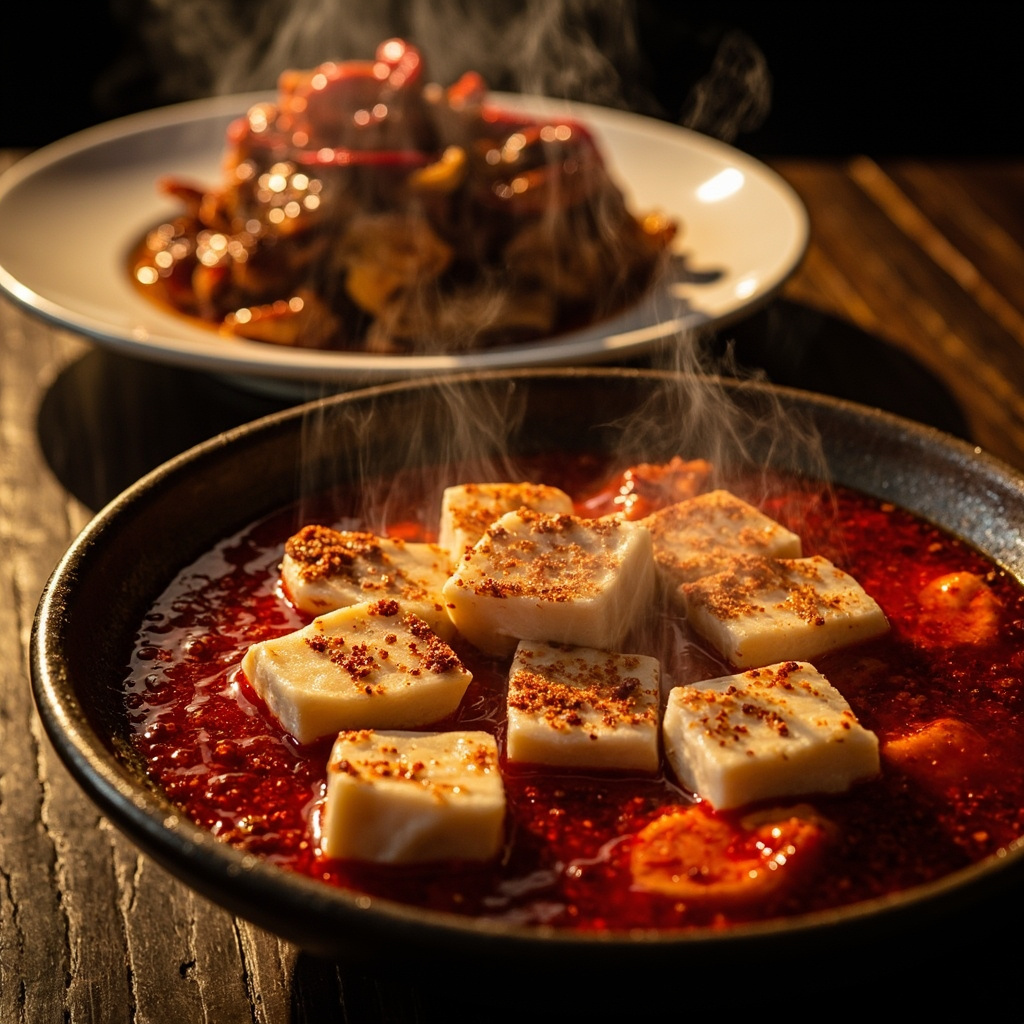
Mapo Tofu (麻婆豆腐): The most internationally famous Sichuan dish — silken tofu in a fiery, numbing sauce of fermented doubanjiang (豆瓣酱), Sichuan peppercorn oil, and minced pork. The dish was invented by a Qing Dynasty restaurant owner named Mr. Chen and his pockmarked (ma po) wife.
Twice-Cooked Pork (回锅肉): Pork belly is first boiled, then sliced and wok-fried until caramelized with Sichuan preserved vegetables (郫县豆瓣) and sweet bean sauce. The result is layers of chewy, savory, slightly sweet perfection.
Water-Boiled Fish (水煮鱼): A dramatic dish of poached fish fillets drowned in a lake of Sichuan chili oil studded with dried chilies and Sichuan peppercorns. Despite the name, the dish is not boiled — the fish is poached and then the enormous amount of chili oil is poured over it.
Kung Pao Chicken (宫保鸡丁): Named after Ding Baozhen, a Qing Dynasty governor of Sichuan. The dish features tender chicken, roasted peanuts, dried chilies, and Sichuan peppercorns — a perfect balance of spicy, nutty, savory, and slightly sweet.
Dan Dan Noodles (担担面): The ultimate Sichuan street food — thin noodles in a sauce of fermented chili paste, sesame paste, scallions, and pork. Served with a sprinkle of pickled vegetables and crushed Sichuan peppercorns.
The Secret Ingredient: Doubanjiang
No Sichuan kitchen is complete without doubanjiang (豆瓣酱) — a fermented broad bean and chili paste from Pixian (郫县). This brick-red, pungent paste is the soul of authentic Sichuan cooking. Quality doubanjiang is aged for years, developing a complexity that single-batch chili sauces simply cannot match.
Where to Eat Sichuan Food
For the authentic experience, nothing compares to Chengdu (成都) — the capital of Sichuan cuisine. The city’s “food street” (锦里) and,宽窄巷子 offer hundreds of vendors serving regional specialties. The best Sichuan restaurants are often simple, crowded places with plastic stools — the kind where the food arrives blazing hot and sweating with spice.
For a deeper understanding of Chinese Food, explore our comprehensive Chinese Food Complete Guide which covers regional cuisines across all of China, including the complete story of Sichuan’s fiery culinary tradition.
Featured image: Traditional Sichuan Mapo Tofu served in a clay pot with bubbling chili oil. Image: Cyber China Editorial.