The First Rule: It’s Not About Hunger
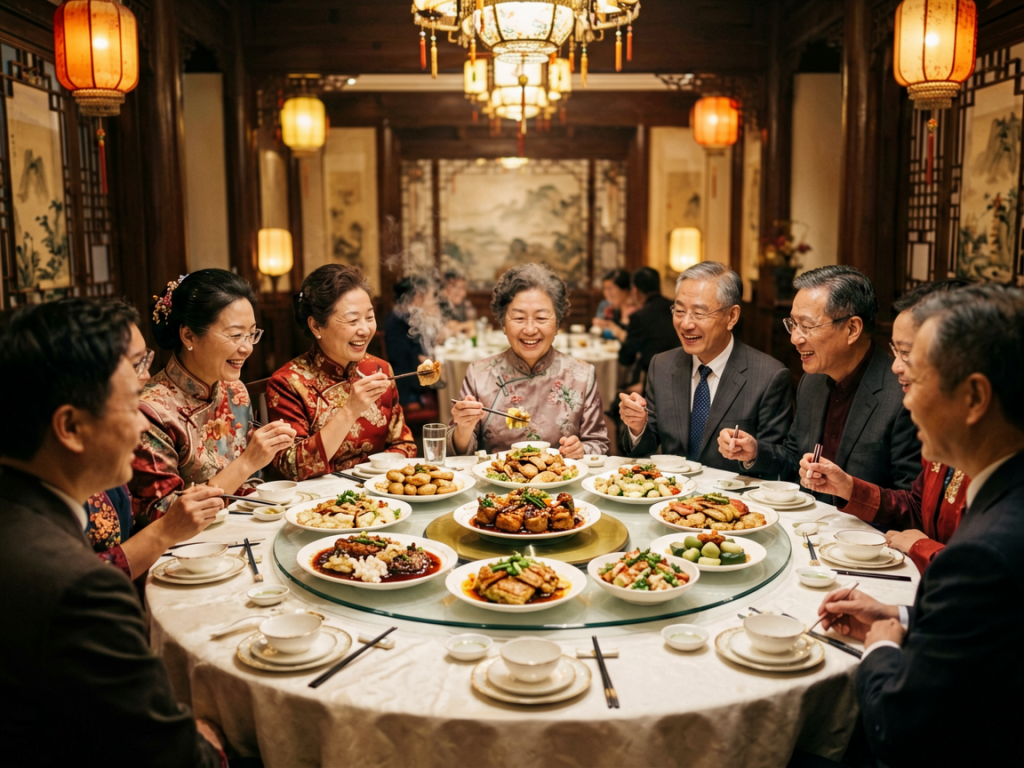
I still remember my first official Chinese banquet. I walked into the private room in Beijing feeling famished after a long flight. I expected a steak or maybe some pasta. Instead, I was greeted by a table the size of a small car, already piled high with steaming plates, cold cuts, and exotic-looking items I couldn’t name.
My American brain went into panic mode. Do I eat everything? Do I pick one thing? What if I’m rude? I ended up just staring at a whole steamed fish while my host laughed and poured me more tea.
Here’s the thing: you aren’t there to fill your stomach. You’re there to participate in a ritual. A proper Chinese banquet isn’t a meal; it’s a performance of hospitality, hierarchy, and harmony. If you go in thinking you’re just going to eat, you’ll miss the point entirely.
Over the last eight years, I’ve attended dozens of these events. From wedding receptions in Shanghai to government-style dinners in Chengdu. I’ve learned that there’s actually a logic to the chaos. It’s just not the logic you’re used to.
The Cold Appetizers: Setting the Stage
The meal always starts with what we call “cold dishes.” In a standard eight-person round table setup, you’ll usually get eight or twelve of these plated out before anyone even sits down. Don’t skip them. They’re the warm-up act.
These aren’t just salads. We’re talking about cured meats, jellied pork trotters, braised beef, and pickled vegetables. They’re meant to be light, salty, or sour. Why? Because they stimulate the appetite without weighing you down.
I once sat next to a British expat who tried to save room for the main courses by only picking at the nuts. He made the mistake of looking at his host, who was watching him with mild disappointment. The cold dishes are the icebreaker. They let you talk, sip your drink, and get comfortable before the heat kicks in.
Pay attention to the arrangement. They’re usually placed symmetrically around the lazy susan. You take from the section closest to you, or let your host serve you. Never reach across the table. It’s a basic rule of etiquette that shows respect for the space.
The Soup: The Hidden Gem of Comfort
In Western dining, soup is either an appetizer or a side. In a Chinese banquet, it’s a bridge. It usually arrives after the cold dishes and before the heavy meats. This timing is crucial.
Most banquets feature a clear soup or a thick, creamy bisque-style stew. I’m a huge fan of the clear soups, like the classic chicken and mushroom broth. It’s often served in small individual bowls. You sip it slowly.
Think of it as a palate reset. You’ve had salty cold cuts, maybe some spicy shrimp. Now you get something warm and soothing. It prepares your stomach for what’s coming next.
Don’t rush this course. In my experience, the people who rush the soup are the same people who struggle with the later courses. Take your time. It’s a moment to actually look at the other guests. Notice who is talking to whom. Notice the hierarchy. The soup course is when the real conversations start.
The Main Courses: The Star of the Show
Now we get to the big stuff. This is where the banquet gets serious. You’re going to see whole fish, whole chickens, and massive platters of braised meats. This is the core of the feast.
Let’s talk about the fish. It’s almost always served whole, with the head and tail intact. Why? Because the word for fish, “yu,” sounds like the word for surplus. Serving a whole fish symbolizes abundance and prosperity for the coming year. It’s a visual pun that you just can’t ignore.
Here’s a pro tip: don’t flip the fish. If you do, you’re “capping the boat,” which is bad luck in Chinese culture. Instead, just dig into the top layer of meat. When you’re done, you can politely excuse yourself. The host will likely explain how to eat it properly if you seem confused.
The meat courses vary wildly by region. In the north, you’ll see heavy stews and lamb. In the south, it’s all about dim sum-style platters and delicate seafood. But the rule remains the same: these dishes are for sharing. They are communal offerings.
When a new plate arrives, the lazy susan stops. Everyone waits for it to come to the person who needs it most, or for the host to make the first move. It’s a dance. And once the first person takes a bite, the table erupts into polite chatter and movement.
The Noodles and Rice: The Finisher
After the heavy meats, you might get a starch course. In many places, this is a bowl of noodles or fried rice. I know, it sounds counterintuitive. You’re already full. Why eat carbs now?
But here’s the thing about Chinese culinary philosophy. The meal needs a solid foundation at the end. It’s about balance. The lightness of the noodles contrasts with the richness of the previous meats.
I love long noodles. They symbolize longevity. At a birthday banquet, you’re not supposed to cut them. You slurp them up. If you cut them, you’re cutting your life short. It’s a fun superstition that makes eating your dinner more meaningful.
Sometimes, instead of noodles, you’ll get a sweet soup or fruit platter. This is the transition to the end of the meal. It’s lighter, sweeter, and signals that the main event is over.
Dessert and Tea: The Sweet Exit
We don’t do heavy cakes in a traditional banquet. The dessert is usually light. Think red bean paste, mango pudding, or fresh fruit. It’s meant to cleanse the palate and provide a sweet ending.
But the real star here is tea. Throughout the meal, you’ve been sipping tea. But at the end, the tea service changes. It becomes more formal. The host will pour for you. It’s a sign of final respect.
This is also when the bill gets paid. Or rather, when the fight for the bill happens. If you’re a guest, try to decline paying once. If your host insists, let them. It’s part of the dance. Fighting too hard can be awkward. Just a polite “no, no, I insist” is enough.
As the tea flows, the conversation shifts from business or formal topics to personal stories. This is the bonding time. You’re no longer just eating; you’re connecting. The heavy lifting is done. Now it’s just about enjoying each other’s company.
Reading the Room: A Personal Take
I’m no expert in ancient Confucian rites, but I’ve learned that the banquet is about more than food. It’s about reading the room. It’s about understanding that every dish has a purpose.
The cold dishes break the ice. The soup warms the belly. The fish brings luck. The noodles bring longevity. And the tea brings connection.
Next time you’re invited to a Chinese banquet, don’t panic. Don’t stare at the menu like it’s a foreign language. Just relax. Watch your host. Follow their lead. And remember, you’re not just a diner. You’re a participant in a centuries-old tradition of hospitality.
It’s messy, it’s loud, and it’s incredibly generous. I love it. And I think you will too, once you stop worrying about which chopsticks to use and start enjoying the moment.