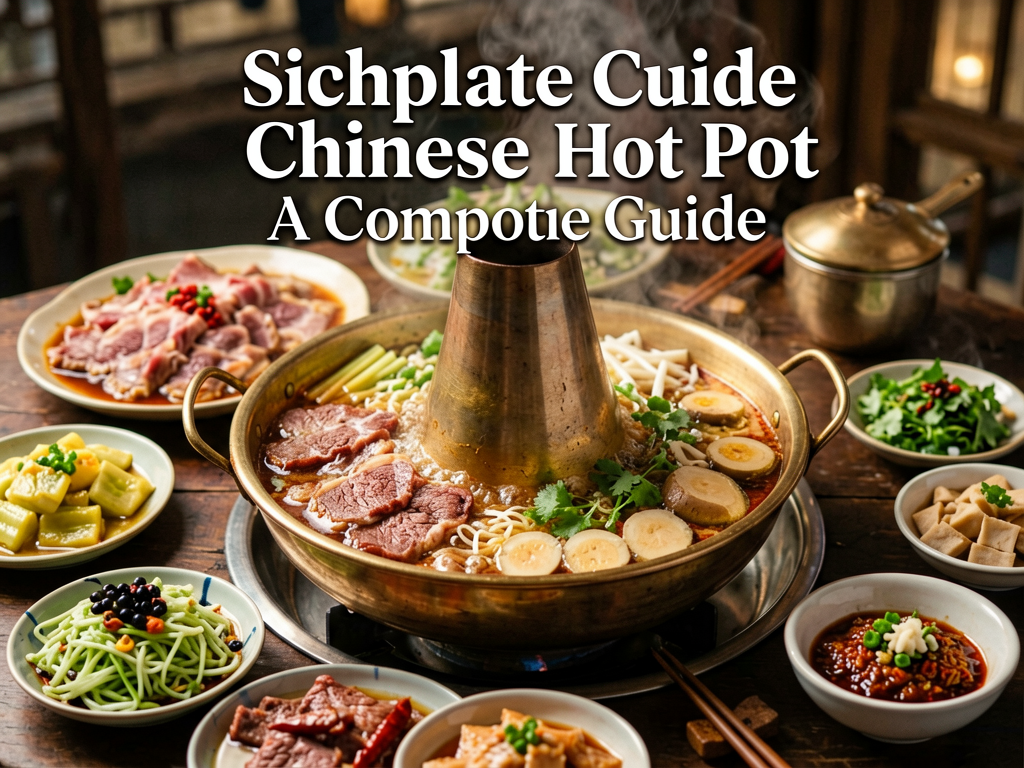
I’ll be honest. The first time I sat down at a hot pot restaurant in Chengdu, I was terrified. The table looked like a science experiment gone wrong. There was a copper pot divided into two halves. One side was a calm, clear broth. The other side was a swirling vortex of red oil, dried chilies, and Sichuan peppercorns.
I looked at my local friend, Li. He just grinned and started dropping beef slices into the boiling red abyss. I hesitated. I didn’t want to burn my tongue off before dinner even started. But trust me, that hesitation was my biggest mistake. What happened next changed how I view food in China forever.
Hot pot isn’t just a meal. It’s an event. It’s a social ritual that has nothing to do with efficiency and everything to do with connection. You don’t just eat the food; you cook it together, sip tea, and talk for hours. But here’s the thing. Not all hot pot is created equal.
If you’re planning a trip to China or just want to order the right thing at your local Chinatown, you need to know the difference. The styles vary wildly. One is fiery and numbing. Another is subtle and seafood-focused. The third is hearty, meaty, and perfect for freezing winters. Let’s break down the big three: Sichuan, Cantonese, and Mongolian.
The Fiery Heart: Sichuan Hot Pot
Sichuan hot pot is the heavyweight champion of the Chinese culinary world. It’s famous for a reason. The flavor profile is defined by ma la, which translates to “numbing” and “spicy.” If you think spicy just means heat, you’re in for a surprise. The numbing sensation from the Sichuan peppercorn is a tingling vibration that makes your lips feel like they’re having their own party.
I remember my first proper meal at a place called Shu Dajie in Chengdu. The menu was daunting. There were plates of tripe, duck blood curd, and various offal cuts I couldn’t even pronounce. My heart was racing. But the broth was the star. It was a thick, red lake of chili oil and spices.
The key to eating Sichuan hot pot is patience. You can’t just toss everything in at once. You need to respect the boil. Thinly sliced beef cooks in seconds. Tripe takes longer and has a crunch that’s addictive once you get used to it. Duck intestines? They’re slippery and chewy in a good way.
And you must talk about the dipping sauce. In Sichuan, it’s almost always sesame oil and garlic. Why oil? It coats your mouth and protects your stomach from the intense heat of the chilies. It’s a practical hack that also adds richness. Mix in some minced garlic, a splash of vinegar if you’re brave, and maybe some cilantro if you’re feeling fancy.
I’m no expert, but I’ve tried many styles. The Sichuan experience is intense. It’s loud, it’s messy, and it’s incredibly rewarding. You sweat. You drink cold soy milk or herbal tea to cool down. And you come back for more the next day. If you can’t handle spice, stay away. But if you love flavor, this is the peak.
The Subtle Art of Cantonese Seafood Hot Pot
Now, let’s head south. Cantonese hot pot is a completely different beast. If Sichuan is a rock concert, Cantonese hot pot is a jazz lounge. It’s quiet, refined, and focuses on the natural flavors of the ingredients.
I visited a famous spot in Guangzhou called Dian Dou De. We sat around a clear broth pot that looked like it contained nothing but water and maybe a slice of ginger. I was suspicious. Where was the flavor? The chef laughed and said the flavor is in the ingredients, not the pot.
And he was right. The broth is usually made from chicken bones, ham, and dried seafood. It’s golden, clear, and deeply savory. But the real magic happens when you add the fresh catch. We ordered live shrimp, which were still jumping in the tank when we picked them. We also got fish slices, sliced so thin they were almost translucent.
The cooking technique here is precise. You don’t boil the shrimp until they’re rubber. You dip them in the hot broth for just ten seconds. They turn pink and stay juicy. The broth absorbs the sweetness of the seafood, making it even better for the next round of vegetables.
Cantonese hot pot is also about the dipping sauces. Instead of heavy sesame oil, you’ll see a mix of soy sauce, shredded ginger, and sometimes a bit of sugar or sesame oil for balance. It’s light. It lets the freshness of the food shine.
I loved this style because it felt healthy. Yet, it wasn’t boring. The umami hit you slowly. It’s easier on the stomach, too. If you’ve had a heavy Sichuan meal and need a reset, Cantonese hot pot is the answer. It’s sophisticated and surprisingly complex. Don’t let the clear broth fool you. There’s a depth of flavor there that takes years to master.
The Hearty Warmth of Mongolian Hot Pot
Let’s move north. Mongolian hot pot, or shuan yangrou, is born from necessity. Think about the freezing temperatures of the Inner Mongolia steppe. You need food that keeps you warm and provides serious fuel. This style is all about lamb and copper pots.
The pot itself is iconic. It’s a tall, thin copper vessel with a chimney in the center. Charcoal burns inside the chimney, heating the water from the bottom up. The water circulates rapidly, keeping the broth at a rolling boil. It’s efficient engineering from centuries ago, and it still works perfectly today.
The star ingredient is lamb. Specifically, lamb that’s been frozen and then thinly sliced. The freezing process breaks down the muscle fibers, making the meat incredibly tender. You can’t use just any cut. It has to be the right texture to cook in seconds.
I tried this in Beijing at a place called Jubaoyuan. The atmosphere was rustic. We sat on benches, eating from small bowls. The dipping sauce was simple: fermented tofu, chili oil, and sesame paste. The sesame paste is thick and nutty. It clings to the lamb and provides a creamy contrast to the lean meat.
What struck me was the simplicity. There were no exotic spices in the broth. It was just water, maybe some goji berries or dates for a hint of sweetness. The focus was entirely on the quality of the lamb. If the meat was old or tough, you’d taste it immediately.
It’s a humble meal, but deeply satisfying. It’s comfort food at its finest. You eat until you’re stuffed, and you feel warm from the inside out. It’s perfect for winter nights when you just want something honest and solid. No tricks, no gimmicks. Just good meat and hot broth.
How to Choose Your Battle
So, which one should you pick? It depends on your mood and your stomach. If you’re feeling adventurous and want a thrill, go for Sichuan. Just make sure you have a plan for the aftermath. Bring breath mints and drink plenty of fluids.
If you’re traveling with family or friends who aren’t into spice, Cantonese is the safe bet. It’s elegant and allows everyone to enjoy the meal without fear. Plus, the seafood is usually fresher and higher quality in the south.
And if you’re cold, tired, and just want to eat meat, choose Mongolian. It’s the most forgiving style. You can’t really mess it up. The meat is tender, the broth is mild, and the sauce is delicious.
One tip I learned the hard way. Don’t try to eat everything at once. Hot pot is a marathon, not a sprint. Order small portions of meat and add more as you go. If you fill up on vegetables first, you’ll regret it. The meat is the main event.
Also, pay attention to the company. Hot pot is communal. It’s meant to be shared. If you’re eating alone, it can be awkward. But if you’re with friends, it’s the best way to bond. You cook together, you laugh at the spicy faces, and you share the last piece of tofu.
I’ve eaten hot pot in tiny alleyway shops and fancy hotel restaurants. The best meals are usually the ones where the air is thick with steam and the conversation is loud. The food is secondary to the experience. But honestly, when the food is this good, it’s hard to separate the two.
Whether you’re in a skyscraper in Shanghai or a village in Sichuan, the spirit of hot pot remains the same. It’s about warmth. It’s about sharing. It’s about taking the time to sit down and enjoy a meal with the people you care about.
Next time you see a menu with a divided pot, don’t be scared. Just point and order. You might burn your tongue, but you’ll love it. And if you’re feeling bold, try all three in one week. That’s what I did. And I’m still recovering. But I’d do it again in a heartbeat.
So, what’s your pick? Are you team spicy, team fresh, or team lamb? Let me know in the comments. I’m always looking for new hot pot spots to add to my list. And if you’re in China, drop a plate of tripe on me next time I visit. I’ll return the favor with a Sichuan peppercorn-induced numbness that’ll last for days.