Yamdrok Lake: A Turquoise Dream at the Roof of the World
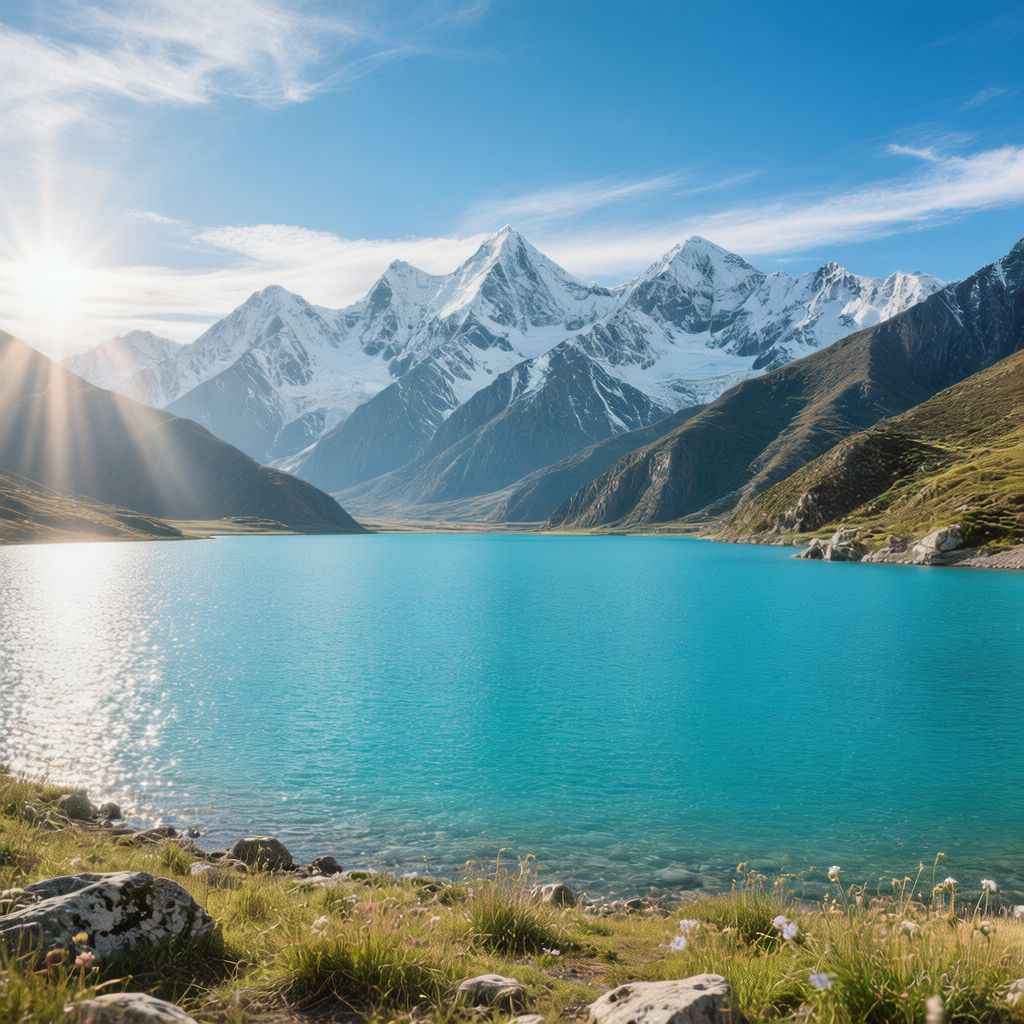
At 4,441 meters above sea level, where the air is thin enough to make every breath feel precious and the sky takes on a depth of blue that exists nowhere else on Earth, lies Yamdrok Lake — one of the three sacred lakes of the Tibetan plateau and arguably the most visually stunning body of water in all of China. Stretching over 72 kilometers in circumference, this fan-shaped lake dazzles visitors with waters that shift between startling turquoise, deep sapphire, and ethereal jade, all framed by snow-capped mountains that seem to pierce the heavens themselves.
The Sacred Lake of the Highland
Yamdrok Yumtso — its full Tibetan name means “Turquoise Jade Lake of the Upper Pasture” — has been revered by Tibetans for over a thousand years. Along with Namtso Lake and Lake Manasarovar, it is considered one of the three holiest lakes in Tibetan Buddhism. The lake is believed to be the transformation of a goddess, and its waters are said to possess spiritual power that can cleanse the soul and grant blessings to those who make the pilgrimage.
According to Tibetan tradition, the lake is also a place of divination. The Dalai Lamas have historically visited Yamdrok to seek guidance, observing the lake’s colors, patterns, and movements for signs and omens. This spiritual significance means that circumambulating the lake — a journey of several days on foot — is considered a deeply meritorious act, and you may encounter pilgrims making this circuit, their devotion as steady as their footsteps despite the thin air and rugged terrain.
The Journey to Yamdrok: Crossing the Kamba La Pass
Getting to Yamdrok Lake is itself an extraordinary experience. The lake is approximately 110 kilometers from Lhasa, and the journey takes you over the Kamba La Pass at 4,794 meters — one of the highest road passes accessible to tourists. The road climbs in a series of dramatic switchbacks, each turn revealing increasingly expansive views of the surrounding mountains and valleys.
And then, at the summit of the Kamba La, Yamdrok Lake appears. The first glimpse is almost universally described as breathtaking — and not just from the altitude. The lake stretches out below you like a massive turquoise jewel set in a ring of dark mountains, its waters so vividly colored that they seem to glow from within. Photographs, no matter how skillfully taken, never quite capture the intensity of the color or the vastness of the landscape. You simply have to see it for yourself.
The Colors of Yamdrok: A Natural Phenomenon
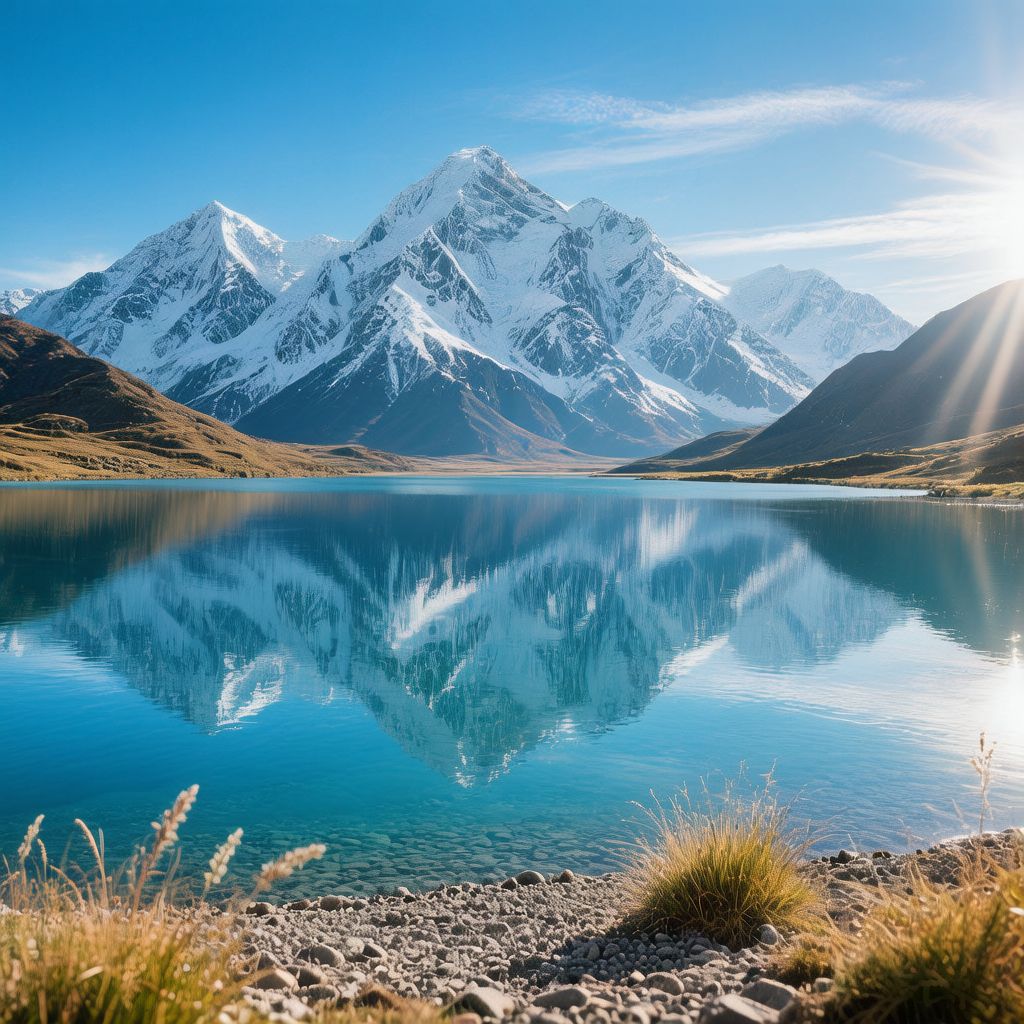
What gives Yamdrok its extraordinary color? The answer lies in the unique combination of mineral content, depth, and the exceptional clarity of the high-altitude atmosphere. The lake is fed by meltwater from surrounding glaciers, which carries dissolved minerals — particularly copper and calcium compounds — that create the distinctive turquoise hue. The lake’s varying depths (reaching over 60 meters in places) produce different shades as light penetrates and scatters at different angles.
But the colors are not static. They shift constantly with the light, the season, and the weather. On a clear summer morning, the water might be an almost impossible electric turquoise. As clouds pass overhead, it deepens to a rich cobalt. At sunset, when the sky turns amber and rose, the lake catches these warm tones and reflects them back in a display that borders on the surreal. And in winter, when portions of the lake freeze, the contrast between crystalline ice and deep unfrozen water creates patterns of extraordinary beauty.
Along the Lakeshore: What to See and Do
Down to the Water’s Edge
The road descends from the Kamba La Pass to the lakeshore, where you can walk along the water’s edge and fully appreciate the lake’s scale and beauty. The shoreline is a mosaic of pebbled beaches, small inlets, and rocky outcrops. Yaks graze on the surrounding grasslands, their bells providing a gentle soundtrack to the scene. Nomadic herders tend their flocks along the shore, their black yak-hair tents dotting the landscape as they have for centuries.
Samding Monastery
Perched on a peninsula that juts into the lake, Samding Monastery is one of the most photogenic religious sites in the region. Founded in the 13th century, it is unique in being headed by a female reincarnation — the Samding Dorje Phagmo, one of the highest-ranking female lamas in Tibetan Buddhism. The monastery’s position, surrounded by water on three sides, creates a sense of isolation and serenity that perfectly complements the lake’s spiritual atmosphere.
Nagarze Town
The small town of Nagarze, on the lake’s western shore, serves as the primary base for visitors. Basic guesthouses and restaurants cater to travelers, and the town offers a glimpse into everyday life on the Tibetan plateau. It’s a good place to acclimatize, enjoy a bowl of yak butter tea, and plan your exploration of the lake’s perimeter.
Combining Yamdrok with Other Destinations
Most visitors experience Yamdrok as part of a day trip or longer circuit from Lhasa. The most popular routes include:
Lhasa to Gyantse via Yamdrok: This classic overland route takes you from Lhasa over the Kamba La Pass to Yamdrok Lake, then continues over the Karo La Pass (5,010 meters) to the historic town of Gyantse. The entire journey takes a full day and offers some of the most spectacular scenery on the Tibetan plateau.
Lhasa to Shigatse Circuit: Extending the Gyantse route to include Shigatse and the Tashilhunpo Monastery creates a 2-3 day circuit that covers many of central Tibet’s most important cultural and natural sites.
Nagarze to Lhunze: For those with more time and a spirit of adventure, the road east from Nagarze follows the lake’s southern shore before climbing into remote mountain terrain, eventually reaching the border areas near Bhutan and India.
Practical Travel Tips
Altitude Considerations
At 4,441 meters, Yamdrok Lake is significantly higher than Lhasa (3,650 meters). If you’ve just arrived in Tibet, spend at least 2-3 days acclimatizing in Lhasa before attempting the journey. Symptoms of altitude sickness can include headache, nausea, dizziness, and shortness of breath. Take it slow, stay hydrated, and listen to your body. Many travelers find that supplementing with oxygen — available in cans from pharmacies in Lhasa — helps during the initial adjustment period.
Permits and Regulations
Travel to the Yamdrok Lake area requires a Tibet Travel Permit, which must be arranged through a licensed travel agency. Foreign travelers must be accompanied by a licensed guide and driver. These regulations are strictly enforced, and attempting to travel independently can result in being turned back at checkpoints. Plan ahead and work with a reputable agency to ensure all paperwork is in order.
Best Time to Visit
June to September offers the warmest weather and clearest skies, making it the peak tourist season. The lake’s colors are at their most vivid during these months, and the surrounding grasslands are lush and green.
October to November brings cooler temperatures and fewer tourists. The clear autumn air provides exceptional visibility, and the golden grasslands create a beautiful contrast with the turquoise water.
December to March is the harshest season, with temperatures regularly dropping below -15°C. However, a frozen Yamdrok is a sight that few tourists ever see, and the solitude of the winter landscape has its own austere beauty. Only attempt a winter visit if you’re well-prepared for extreme cold.
What to Pack
Even in summer, bring warm layers — temperatures at 4,400 meters can drop rapidly when the sun disappears behind clouds. Sun protection is essential: the thin atmosphere offers little protection from UV rays, and sunburn can occur within minutes. Bring high-SPF sunscreen, sunglasses, and a wide-brimmed hat. A good camera with a polarizing filter will help capture the lake’s colors, though no filter can truly replicate what your eyes will see.
The Fragile Beauty of the Plateau
Yamdrok Lake exists in one of the most fragile ecosystems on Earth. The Tibetan plateau is warming at roughly three times the global average, and the glaciers that feed Yamdrok are retreating at an alarming rate. Scientists have documented significant changes in the lake’s water level and chemistry over the past few decades, and the long-term implications for this sacred site are deeply concerning.
As a visitor, your impact matters. Stay on established paths, don’t disturb the wildlife (including the wild birds that nest along the shoreline), and carry out everything you bring in. Respect the spiritual significance of the lake to the Tibetan people — don’t throw stones into the water, don’t swim (the lake is considered sacred), and don’t remove anything from the area.
A Place That Changes You
There’s something about standing beside Yamdrok Lake that goes beyond tourism. Perhaps it’s the altitude, which strips away the trivial and leaves only what’s essential. Perhaps it’s the silence — a silence so profound that you can hear your own heartbeat. Or perhaps it’s simply the overwhelming beauty of a turquoise lake cradled by snow mountains under a sky so vast it seems to contain all of infinity.
Whatever the reason, Yamdrok has a way of etching itself into memory with unusual permanence. Years later, you’ll find yourself thinking about that first glimpse from the Kamba La Pass, about the color of the water, about the sound of yak bells carried on the thin wind. It’s a place that reminds you how small you are — and how extraordinary the world can be.
If you’re planning a journey to the Tibetan plateau, make sure Yamdrok Lake is on your itinerary. Some places are worth every effort required to reach them. This is one of them.