
Cantonese cuisine, originating from the Guangdong province in southern China, represents one of the world’s great culinary traditions. Renowned for its emphasis on fresh ingredients, subtle seasoning, and sophisticated techniques, Cantonese cooking has influenced global cuisine more than any other Chinese regional style. From humble street food to Michelin-starred restaurants, Cantonese cuisine offers a remarkable range of flavors and experiences.
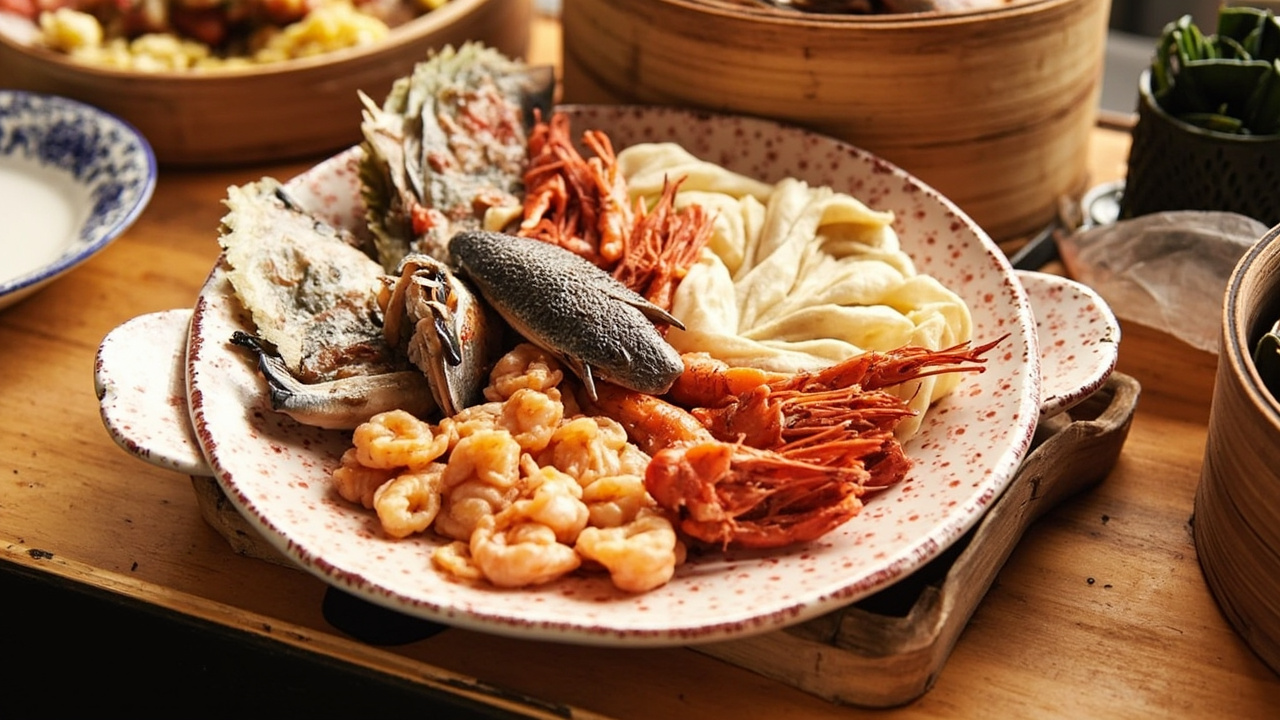
The foundation of Cantonese cuisine lies in its respect for natural flavors. Unlike other Chinese culinary traditions that use powerful seasonings to transform ingredients, Cantonese cooking seeks to enhance and highlight the inherent qualities of each component. This philosophy requires the highest quality ingredients, as imperfections cannot be masked by heavy sauces or spices. The Cantonese emphasis on freshness extends to every aspect of cooking, from live seafood kept in tanks at restaurants to vegetables sourced from local farms daily. This commitment to quality has made Cantonese cuisine one of the most respected culinary traditions in the world.
Key Techniques in Cantonese Cooking
Cantonese chefs master several distinctive techniques that define the cuisine. Steaming is perhaps the most important, used for everything from fish and dumplings to custards and cakes. The gentle heat of steam preserves nutrients and natural flavors while cooking ingredients evenly. Stir-frying over extremely high heat called wok hei imparts a distinctive smoky aroma to ingredients that is the hallmark of Cantonese wok cooking. The wok must be seasoned and heated until it just begins to smoke before ingredients are added, creating a quick sear that locks in flavors. Braising transforms tougher cuts of meat into meltingly tender dishes through long, slow cooking in flavorful liquids. Deep-frying is executed with precision, producing crispy exteriors without greasiness. Roasting, particularly of meats like char siu and roast duck, involves hanging ingredients in specialized ovens that allow fat to drip away while the exterior caramelizes to a glossy finish.
Iconic Cantonese Dishes
Several Cantonese dishes have achieved international fame and represent the cuisine’s finest achievements. Dim sum, with its endless variety of steamed and fried dumplings, buns, and rolls, is perhaps the most famous Cantonese contribution to world cuisine. The delicate artistry of har gow and the comforting sweetness of egg tarts exemplify the range of dim sum offerings. Cantonese roast goose and char siu, or barbecued pork, showcase the roasting technique at its finest, with glossy exteriors and succulent meat. Steamed fish, typically whole and simply seasoned with ginger, scallions, and soy sauce, demonstrates the Cantonese philosophy of letting premium ingredients speak for themselves. Wonton noodle soup, with its springy egg noodles and plump shrimp and pork wontons in a flavorful broth, represents the height of Cantonese comfort food. Clay pot rice, cooked in a traditional clay pot with a variety of toppings, develops a crispy crust at the bottom that is considered a delicacy. Each of these dishes tells a story about Cantonese culinary values and techniques.
The Role of Seafood in Cantonese Cuisine
Given Guangdong’s extensive coastline and network of rivers, seafood plays a central role in Cantonese cooking. Live seafood is preferred, with restaurants displaying tanks of fish, crabs, lobsters, prawns, and abalone for diners to select. The freshness of the seafood determines the cooking method, with the best specimens simply steamed to preserve their natural sweetness. Steamed grouper with ginger and spring onion is a classic preparation that allows the delicate flavor of the fish to shine. Crab is often steamed with garlic and served with vinegar dipping sauce, while lobster may be stir-fried with ginger and scallions or coated in a mild creamy sauce. Steamed prawns with garlic and vermicelli are a popular home-style dish that appears at family gatherings. The Cantonese approach to seafood reflects the broader philosophy of the cuisine: respect for quality ingredients and preparation that enhances rather than masks natural flavors.
Cantonese Soup Culture
Soup holds a special place in Cantonese cuisine, transcending its role as a simple starter to become a cornerstone of daily nutrition and wellness. Cantonese soups are typically slow-simmered for hours to extract flavors and nutrients from ingredients like pork bones, chicken, dried seafood, herbs, and vegetables. The resulting broths are consumed for both their flavor and their perceived health benefits, with different soups believed to address specific health concerns or seasonal needs. Winter melon soup is believed to cool the body during hot summer months, while herbal soups with ingredients like dang gui and astragalus are consumed in winter to strengthen the immune system. The tradition of soup making is passed down through generations, with each family having its own recipes and techniques. A proper Cantonese meal is incomplete without a bowl of nourishing soup, and many households maintain a perpetual soup pot that is continuously replenished.
Conclusion
Cantonese cuisine represents the pinnacle of Chinese culinary refinement, emphasizing quality ingredients, precise techniques, and respect for natural flavors. Its global influence is a testament to the universal appeal of its approach to cooking and eating. Whether enjoying dim sum in a bustling tea house or savoring a perfectly steamed fish in a fine restaurant, Cantonese cuisine offers experiences that connect diners to centuries of culinary tradition.
Cantonese Ingredients and Where to Find Them
Many Cantonese dishes rely on specialized ingredients that may be unfamiliar to Western cooks. Dried seafood like scallops, shrimp, and oysters are essential for adding umami depth to soups and sauces. Preserved duck eggs, both the century eggs and the salted duck eggs, appear in congee and other dishes. Fermented bean curd, available in white and red varieties, adds complex flavor to braised dishes and dipping sauces. Oyster sauce, shrimp paste, and hoisin sauce are the key condiments in Cantonese cooking, each adding different dimensions of flavor. These ingredients can be found in Asian grocery stores in most cities, with the quality varying significantly between brands. For the most authentic results, look for ingredients imported from Guangdong province or Hong Kong.
Cantonese Desserts and Sweets
Cantonese cuisine also features a sophisticated tradition of desserts and sweet treats that are less well-known internationally than the savory dishes. Mango pomelo sago is a popular dessert featuring fresh mango, pomelo segments, and sago pearls in a coconut milk base, creating a refreshing and creamy finish to a meal. Egg tarts, inspired by Portuguese pastries, have become a Hong Kong specialty with their flaky pastry and silky egg custard filling. Sweet tofu pudding, served with ginger syrup or red bean paste, offers a delicate, silky texture that contrasts with heavier Western desserts. Red bean soup, often served hot or cold depending on the season, is a traditional Cantonese dessert with health benefits attributed to the red beans. Sesame balls, filled with sweet bean paste and rolled in sesame seeds, are a festival favorite. These sweets demonstrate the Cantonese approach to dessert: light, not overly sweet, and often incorporating ingredients believed to have health benefits.
Cantonese Seafood Selection Tips
Choosing fresh seafood is essential for Cantonese cooking, and local knowledge helps ensure quality. Live seafood should be active, with fish having clear eyes and bright red gills. Shrimp should be firm and translucent, while crabs should be heavy for their size with hard shells. The best seafood markets in Hong Kong and Guangzhou display their catch in tanks, allowing customers to select individual specimens. Many Cantonese restaurants allow diners to choose their seafood from tanks before cooking, guaranteeing freshness. The season affects seafood quality, with autumn being the best season for crab and winter for fish that have accumulated fat during the colder months. Cantonese cooks believe that the freshest seafood needs minimal preparation, with steaming being the preferred method for showcasing quality. Over-seasoning fresh seafood is considered a mistake that hides the natural flavor of the ingredients.