The Yangtze River: China’s Liquid Highway Through Time
The Yangtze River — Chang Jiang, “Long River” in Chinese — is more than a geographical feature. It is the artery that has sustained Chinese civilization for millennia, a 6,300-kilometer waterway that cuts through the heart of the country from the glaciers of Tibet to the East China Sea. And at its most dramatic point, where the river has carved its way through ancient mountains, lie the Three Gorges — Qutang, Wu, and Xiling — a 193-kilometer corridor of towering cliffs, swirling currents, and scenery so magnificent it has inspired poets and painters for over a thousand years.
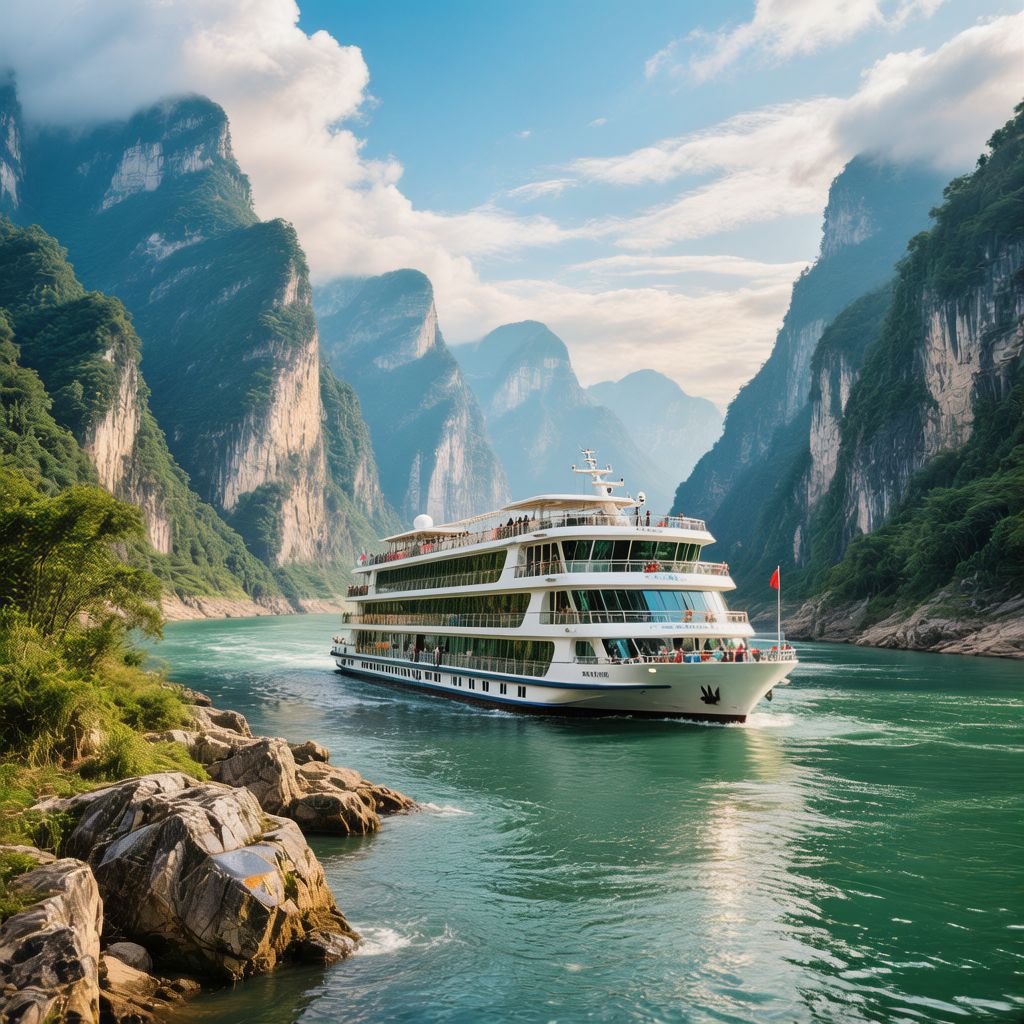
The Three Gorges: A Closer Look
Qutang Gorge — The Shortest and Most Dramatic
Stretching just 8 kilometers, Qutang Gorge is the shortest of the three but packs the most visual punch. The cliffs here rise vertically from the water to heights of over 1,000 meters, narrowing the river to a mere 100 meters in some places. The effect is overwhelming — you feel as though you’re sailing through a crack in the earth’s crust. Ancient calligraphy carved into the cliff faces, some dating back over a thousand years, testifies to the gorge’s long history of inspiring awe in those who pass through.
The Kuimen Gate, at the western entrance to the gorge, has been called “the most magnificent pass under heaven.” Two sheer cliffs frame the river like giant stone doors, and for centuries this natural bottleneck served as a critical military stronghold. Even today, standing on deck as your ship enters this narrow channel, you can understand why the Tang Dynasty poet Li Bai wrote that the mountains here seem to be “closing in from both sides.”
Wu Gorge — The Most Beautiful
At 45 kilometers, Wu Gorge is the longest of the three and widely considered the most beautiful. The mountains here are draped in mist and legend — quite literally, as the Twelve Peaks of Wu Mountain are perpetually shrouded in clouds that create an ethereal, ever-changing landscape. Each peak has its own name and mythology, but the most famous is Goddess Peak (Shennu Feng), a slender rock formation at the summit that resembles a graceful woman gazing down at the river.
The story goes that Goddess Peak represents Yao Ji, the youngest daughter of the Queen Mother of the West, who descended to earth to help Yu the Great tame the flooding Yangtze. She chose to remain forever, watching over the river and its people. Whether you believe the legend or not, there’s something undeniably poetic about this solitary figure standing watch above the mist-shrouded gorge.
Xiling Gorge — The Longest and Most Treacherous
Xiling Gorge stretches for 76 kilometers and was historically the most dangerous section of the Yangtze, notorious for its rapids, whirlpools, and submerged rocks. Before the Three Gorges Dam raised the water level, navigating this gorge required extraordinary skill, and many ships met their end in its turbulent waters. Today, the raised water level has calmed the rapids, but the gorge retains its wild beauty — sheer cliffs, deep valleys, and occasional glimpses of ancient pathways carved into the rock face high above the current waterline.
Choosing Your Cruise: Upstream vs Downstream
One of the most important decisions you’ll make is whether to sail upstream (Chongqing to Yichang) or downstream (Yichang to Chongqing). Each direction has its advantages:
Downstream (Chongqing to Yichang): The faster option, typically taking 4 days and 3 nights. The current carries you swiftly through the gorges, and you’ll arrive at the Three Gorges Dam in the afternoon of the final day. The pace is faster, and there’s more time for onshore excursions.
Upstream (Yichang to Chongqing): Takes 5 days and 4 nights, allowing more time to absorb the scenery. You’ll visit the Three Gorges Dam on the first day, then spend the following days slowly making your way through each gorge. Many travelers prefer this direction because the slower pace gives you more opportunity to appreciate the landscape.
Cruise Options: From Budget to Luxury
The Yangtze cruise market offers a wide spectrum of experiences:
Victoria Cruises: The most established international-brand cruise line on the Yangtze, Victoria offers consistently good service, English-speaking guides, and well-maintained ships. Their Victoria Jenna and Victoria Katarina are among the most popular vessels.
Century Cruises: A premium option with newer ships and more spacious cabins. The Century Paragon and Century Legend feature floor-to-ceiling windows in most cabins, ensuring you never miss the view.
Sanxia (Domestic Cruises): More affordable Chinese-operated ships that cater primarily to domestic tourists. The experience is more authentic but less polished — fewer English-speaking staff, simpler meals, and smaller cabins. Prices can be half of what the international ships charge.
Shore Excursions: Don’t Miss These
Most cruises include or offer several shore excursions, and these are often the highlights of the trip:
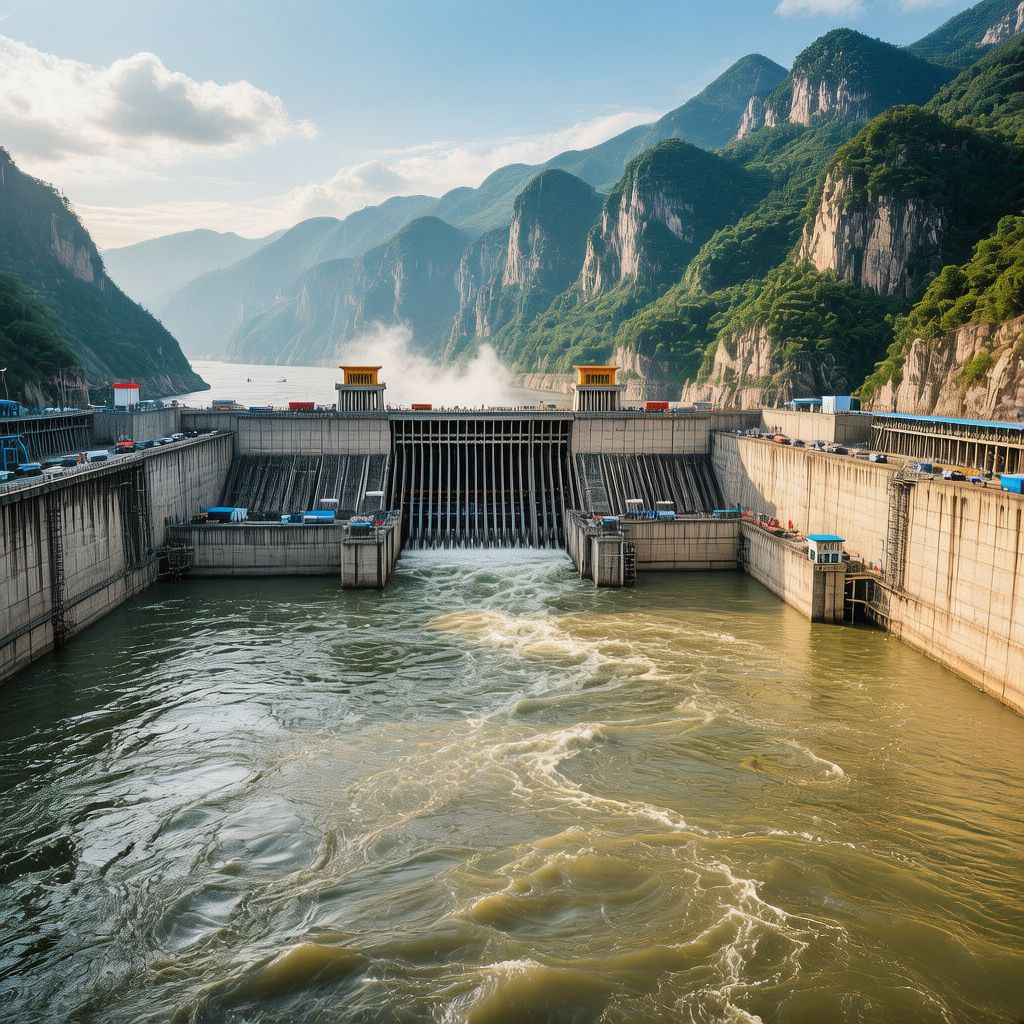
The Three Gorges Dam: The world’s largest hydroelectric project is an engineering marvel that generates controversy and awe in equal measure. The visitor center offers panoramic views of the dam and its massive ship locks. Allow 2-3 hours for the visit.
Shennv Stream (Goddess Stream): A tributary of the Yangtze in Wu Gorge that was inaccessible before the dam raised water levels. Now you can take a small boat up this pristine stream, flanked by vertical cliffs and lush vegetation. It’s the closest you’ll get to the gorges’ wild, pre-dam character.
Shibaozhai (Precious Stone Fortress): A 12-story wooden pagoda built against a sheer cliff face in the 18th century. The pagoda was threatened by rising waters after the dam’s construction but was saved by an ambitious project that built a concrete wall around the base, creating an island. Climb to the top for panoramic views of the river valley.
Fengdu Ghost City: A complex of temples and shrines dedicated to the afterlife, based on the belief that this is where the dead pass judgment. Equal parts fascinating and eerie, with sculptures depicting various hells and punishments. It’s a unique window into Chinese folk religion.
The Three Gorges Dam: Controversy and Achievement
No discussion of the Three Gorges would be complete without acknowledging the dam that fundamentally changed this landscape. Completed in 2006, the Three Gorges Dam is the world’s largest power station by installed capacity (22,500 MW) and one of the most controversial infrastructure projects in history.
The dam raised the river level by up to 175 meters, submerging 13 cities, 140 towns, and over 1,300 villages. More than 1.2 million people were relocated — the largest resettlement project in human history. Ancient archaeological sites were lost, ecosystems were disrupted, and the risk of landslides increased along the reservoir’s banks.
Yet the dam also tamed the Yangtze’s devastating floods, which had killed hundreds of thousands of people over the centuries. It generates enormous amounts of clean electricity, has improved navigation, and has transformed what was once a treacherous waterway into a reliable transportation corridor. The debate continues, but the dam is now an inseparable part of the Three Gorges experience.
Practical Travel Tips
Best Time to Cruise
Spring (April-May) and Autumn (September-November) offer the best weather and scenery. The gorges are particularly atmospheric when morning mist drapes the peaks, and the temperature is comfortable for both deck-side viewing and shore excursions. Avoid Chinese national holidays (early May and early October) when domestic tourism surges.
What to Pack
Layers are essential — the temperature difference between day and night can be significant. Comfortable walking shoes are a must for shore excursions. Bring binoculars for spotting the cliff carvings in Qutang Gorge and the Goddess Peak in Wu Gorge. A camera with a decent zoom will help capture details on the cliff faces.
Health and Safety
Some shore excursions involve climbing stairs — Shibaozhai has 12 stories of wooden stairs. If you have mobility issues, check with your cruise operator about accessibility options. The ships themselves are generally well-equipped and safe, with modern safety equipment and medical facilities.
Booking Tips
Book at least 2-3 months in advance for the best cabin selection, especially during autumn peak season. Cabin categories range from interior rooms (no window) to suites with private balconies. If budget allows, a cabin with a balcony or at least a window is highly recommended — you’ll spend hours watching the scenery, and you don’t want to miss a moment of it.
The Yangtze in Literature and Culture
The Three Gorges have occupied a central place in Chinese cultural imagination for over two millennia. Li Bai’s famous poem “Departing from Baidi in the Morning” — written as he sailed downstream through the gorges — captures the exhilaration of the journey: “Between the colors of the apes’ cries / My skiff has passed ten thousand mountains.” The poem was written in the 8th century, and the gorges still inspire the same sense of wonder today.
Countless other poets, painters, and scholars have tried to capture the gorges’ essence. Their works fill museums and textbooks, but standing on deck as your ship navigates between sheer cliffs that rise over a kilometer above the water, you realize that no art form can truly convey the scale and power of this landscape. It must be experienced.
Final Thoughts
A Yangtze River cruise through the Three Gorges is more than a vacation — it’s a journey through the geological, historical, and cultural heart of China. From the towering cliffs of Qutang to the misty peaks of Wu Gorge, from the ancient temples perched on impossible cliffsides to the modern engineering marvel of the Three Gorges Dam, this journey connects you to a river that has shaped a civilization.
Take the time to stand on deck as the ship enters each gorge. Let the scale of the landscape wash over you. Listen to the water and the wind in the cliffs. This is China as it has been for thousands of years — vast, dramatic, and endlessly compelling.