Jinshanling: The Great Wall at Its Most Photogenic
While millions of visitors flock to Badaling and Mutianyu each year, those in the know make their way to Jinshanling — a 10.5-kilometer stretch of the Great Wall that offers perhaps the most dramatic and photogenic views in all of China. Located in Luanping County, Hebei Province, about 130 kilometers northeast of Beijing, Jinshanling combines the architectural grandeur of the Ming Dynasty wall with a rugged, partially unrestored character that makes every step feel like a genuine exploration.
A Brief History of Jinshanling
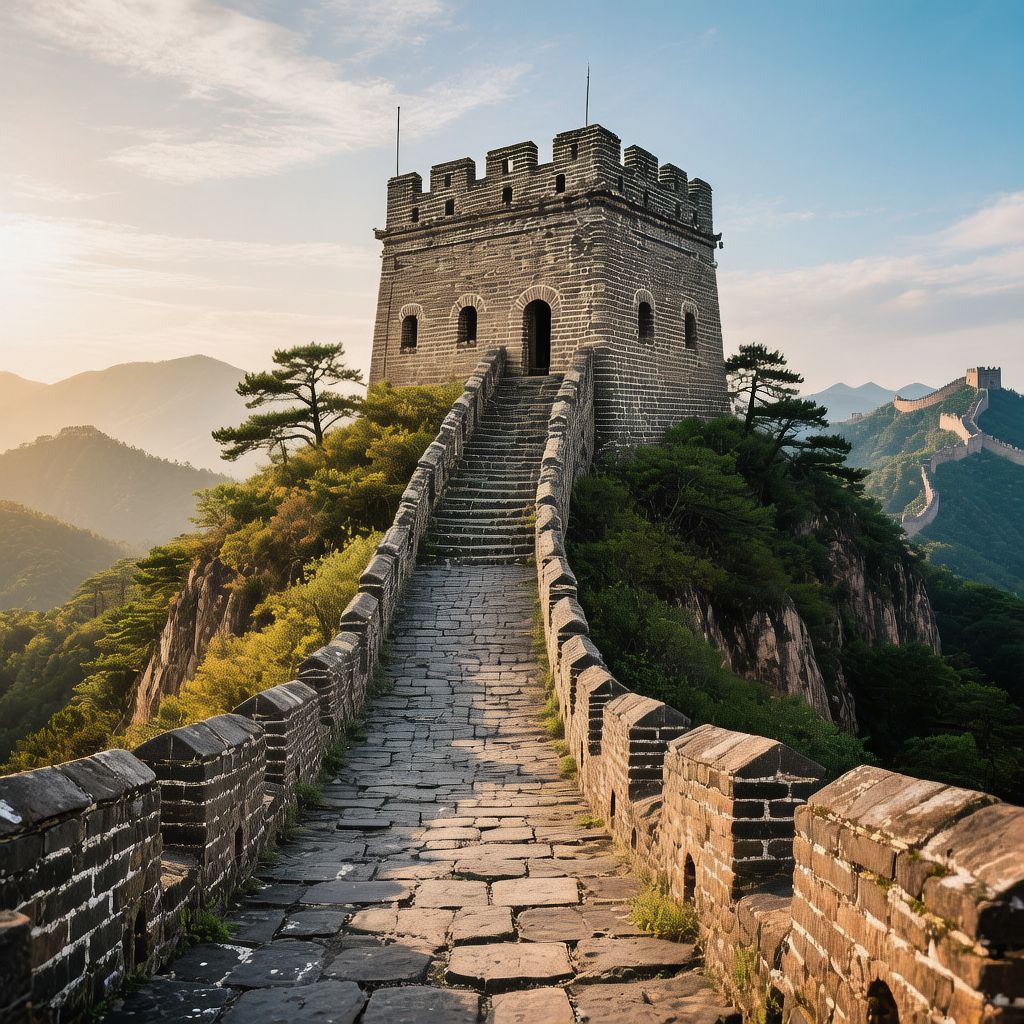
Construction of the Jinshanling section began in 1570 during the Ming Dynasty, under the direction of General Qi Jiguang — one of China’s most celebrated military strategists. Unlike earlier sections that were built primarily from rammed earth, Jinshanling was constructed with brick and stone, allowing for more elaborate defensive structures. The result is a wall that features 67 watchtowers, each with its own distinct design, spaced approximately 100 meters apart — a density that testifies to the strategic importance of this mountain pass.
What makes Jinshanling particularly fascinating from a historical perspective is that it represents the evolution of Great Wall architecture. Here you can see the transition from older construction methods to the sophisticated brickwork that characterized the late Ming period. The watchtowers range from simple square structures to elaborate two-story buildings with arched doorways and intricate brick patterns.
The Hike: What to Expect
The most popular route runs from Jinshanling to Simatai, covering approximately 10 kilometers along the wall’s spine. This hike typically takes 3-5 hours depending on your pace and how often you stop to take photographs — which, trust us, will be often. The trail follows the wall as it undulates over mountain ridges, dips into valleys, and climbs to breathtaking viewpoints.
The condition of the wall varies considerably along this stretch. Some sections have been carefully restored, with smooth walkways and intact parapets. Others remain in their original, weathered state — crumbling bricks, missing steps, and vegetation pushing through the ancient stonework. This contrast is precisely what gives Jinshanling its character. You’re not just walking on a polished tourist attraction; you’re traversing centuries of history in all its imperfect glory.
Difficulty Level
Let’s be straightforward: this is not a casual stroll. The trail includes steep ascents, uneven surfaces, and sections where you’ll need to use your hands for balance. Some of the watchtower entrances require ducking through low doorways or climbing short, worn steps. The elevation gain is significant in places, and there’s virtually no shade along the wall itself.
That said, you don’t need to be an elite athlete. Anyone with reasonable fitness and sturdy footwear can complete the hike. Take your time, carry plenty of water, and don’t rush. The wall isn’t going anywhere — it’s been there for over 400 years.
Sunrise at Jinshanling: A Photographer’s Pilgrimage
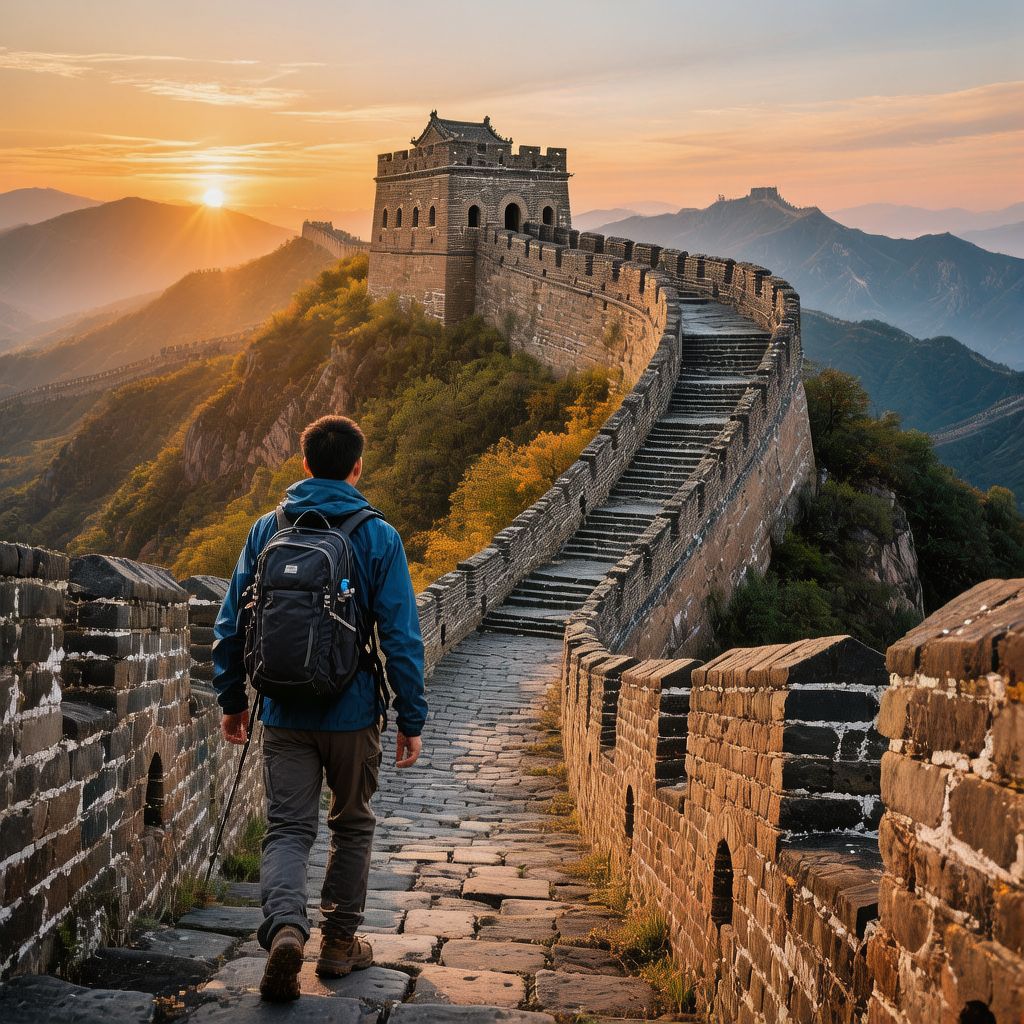
If there’s one experience that draws photographers from around the world to Jinshanling, it’s the sunrise. Arriving at the wall before dawn and watching the first light spill over the mountains is nothing short of magical. The wall’s curves and watchtowers create dramatic silhouettes against the emerging sky, and as the sun rises, golden light gradually illuminates the ancient bricks, revealing textures and details invisible in flat midday light.
For the best sunrise experience, most visitors stay overnight in one of the guesthouses near the Jinshanling ticket office and begin their ascent around 4:30 AM (timing varies by season). The most popular sunrise vantage point is near the General Tower, where the wall stretches in both directions along the ridgeline, creating a composition that has graced countless magazine covers and travel blogs.
Photography Tips
Bring a tripod for those pre-dawn long exposures. A wide-angle lens will capture the wall’s sweeping curves, while a telephoto lens can compress the perspective to show the wall snaking over multiple ridges. Morning mist is common, especially in spring and autumn, and can transform an already stunning scene into something ethereal. Don’t pack up too early — the “golden hour” after sunrise often produces the most compelling images.
Getting There from Beijing
Several options exist for reaching Jinshanling from Beijing:
Public Bus: The most economical option. Take the direct tourist bus from Dongzhimen Transport Hub, which departs at approximately 8:00 AM during peak season (April-October). The journey takes about 2.5 hours. Return buses typically leave Jinshanling around 3:00 PM. Check current schedules as they change seasonally.
Private Transfer: Hiring a driver for the day costs approximately 600-800 CNY, depending on the vehicle and whether you want to be picked up at Simatai after the hike. This option offers the most flexibility with timing.
Organized Tour: Numerous tour operators in Beijing offer day trips to Jinshanling, often combined with the sunrise experience. Prices range from 300-600 CNY per person, typically including transportation and entrance fees.
Seasonal Considerations
Spring (April-May): Wildflowers bloom along the wall, and the weather is mild. Morning fog is common, creating atmospheric conditions that photographers love. The hillsides take on a fresh green hue that contrasts beautifully with the grey brickwork.
Autumn (September-November): Arguably the best season. The foliage turns brilliant shades of gold and crimson, the air is crisp and clear, and the reduced humidity means excellent visibility. October is peak season for both color and crowds — book accommodation well in advance.
Winter (December-March): A snow-covered Jinshanling is one of China’s most dramatic sights, but it’s also the most challenging time to visit. Sections can be dangerously icy, and the biting wind at 700 meters elevation is not to be underestimated. If you choose to visit in winter, dress in layers and bring traction devices for your boots.
Summer (June-August): Hot and humid, with occasional thunderstorms. The lush vegetation is attractive, but the heat can make hiking uncomfortable. Early morning starts are essential. Carry rain gear — storms can develop quickly in the mountains.
Practical Information
Entrance Fees
The Jinshanling entrance fee is approximately 65 CNY. If you plan to hike to Simatai, you’ll need to purchase the combined ticket (approximately 110 CNY). Cable cars are available at Jinshanling for those who want to skip the initial ascent — a worthwhile consideration if you’re planning a sunrise shoot and want to conserve energy.
What to Bring
Essentials include at least 2 liters of water, sunscreen, a hat, comfortable hiking shoes with good grip, snacks, and a small first-aid kit. For sunrise hikes, a headlamp or flashlight is mandatory. Temperatures can drop significantly at the wall’s elevation, so bring a warm layer even in summer.
Accommodation
Several guesthouses and small hotels operate near the Jinshanling entrance. The Jinshanling Villa is the most established option, offering basic but comfortable rooms and a restaurant. Prices range from 150-400 CNY per night. Book ahead during peak season and weekends.
Preservation and Responsible Tourism
Jinshanling’s partially unrestored state is both its greatest attraction and its greatest vulnerability. Every year, more of the original wall crumbles under the combined effects of weather and foot traffic. As visitors, we have a responsibility to minimize our impact. Stay on designated paths, don’t remove bricks (yes, some people do), don’t carve your name into the stonework, and carry out all your trash.
The Chinese government has implemented restoration programs, but the approach at Jinshanling has been deliberately conservative — stabilizing the structure without masking its age. This philosophy of “preserving the patina of time” is what makes Jinshanling so special, and it’s a balance that requires the cooperation of every visitor.
Why Jinshanling Over Other Sections?
Badaling gets the crowds. Mutianyu gets the cable cars. Jinshanling gets the photographers, the hikers, and the travelers who understand that the best experiences usually require a little more effort. This section of the Great Wall rewards you with raw beauty, historical authenticity, and the rare feeling that you’re experiencing something genuine rather than manufactured for tourism.
The wall at Jinshanling doesn’t need to be polished or restored to be impressive. Its power lies in its ruggedness — in the way it clings to mountain ridges despite centuries of weathering, in the way each crumbling watchtower tells a story of both construction and decay, and in the way it makes you feel, standing atop a 400-year-old fortification with the mountains stretching endlessly in every direction, that you’re part of something much larger than yourself.
That’s the Jinshanling experience. And it’s worth every step.