Discovering Jiuzhaigou: Where Nature Paints with Every Color Imaginable
Nestled in the Min Mountains of Sichuan Province, Jiuzhaigou Valley stands as one of China’s most extraordinary natural wonders. A UNESCO World Heritage Site since 1992, this valley stretches across 72,000 hectares of breathtaking alpine scenery, where crystalline lakes, cascading waterfalls, and ancient forests create a landscape so vivid it almost defies belief. The name “Jiuzhaigou” translates to “Valley of Nine Villages,” a reference to the nine Tibetan villages that have called this valley home for centuries.
The Lakes That Defy Explanation
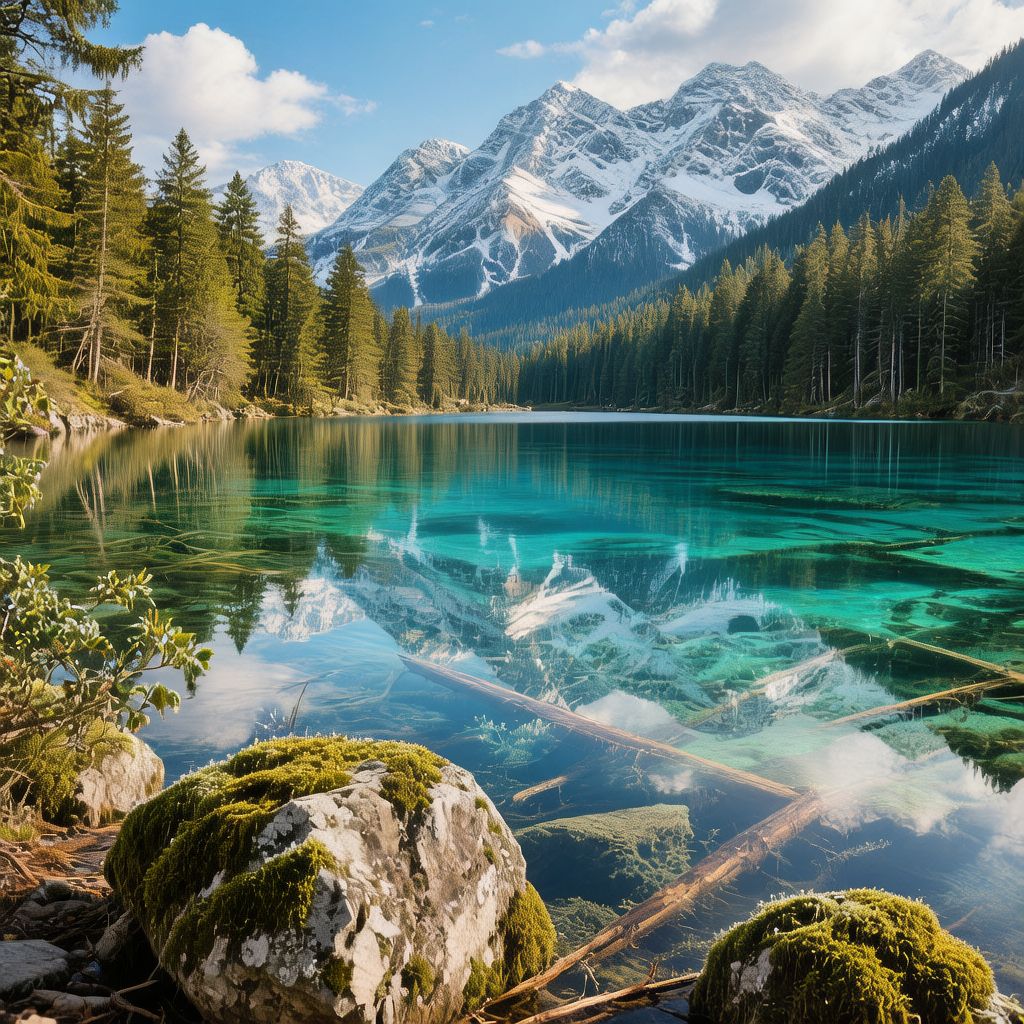
What makes Jiuzhaigou truly legendary are its lakes — or “haizi” as the locals call them. Over 100 lakes dot the valley, each with its own distinct character and color palette. The waters range from impossibly turquoise to deep emerald, from crystal clear to startlingly blue, and the colors shift and change depending on the season, the light, and the mineral content of the water.
The science behind these colors is as fascinating as the sight itself. Glacial meltwater carries dissolved calcium carbonate and other minerals that, over millennia, have created travertine deposits on the lake beds. These white mineral foundations reflect sunlight through the clear water, producing colors that seem almost artificial in their intensity. Add to this the reflection of surrounding forests — golden in autumn, verdant in summer, snow-dusted in winter — and you have a visual spectacle that no photograph can truly capture.
Five Flower Lake: The Crown Jewel
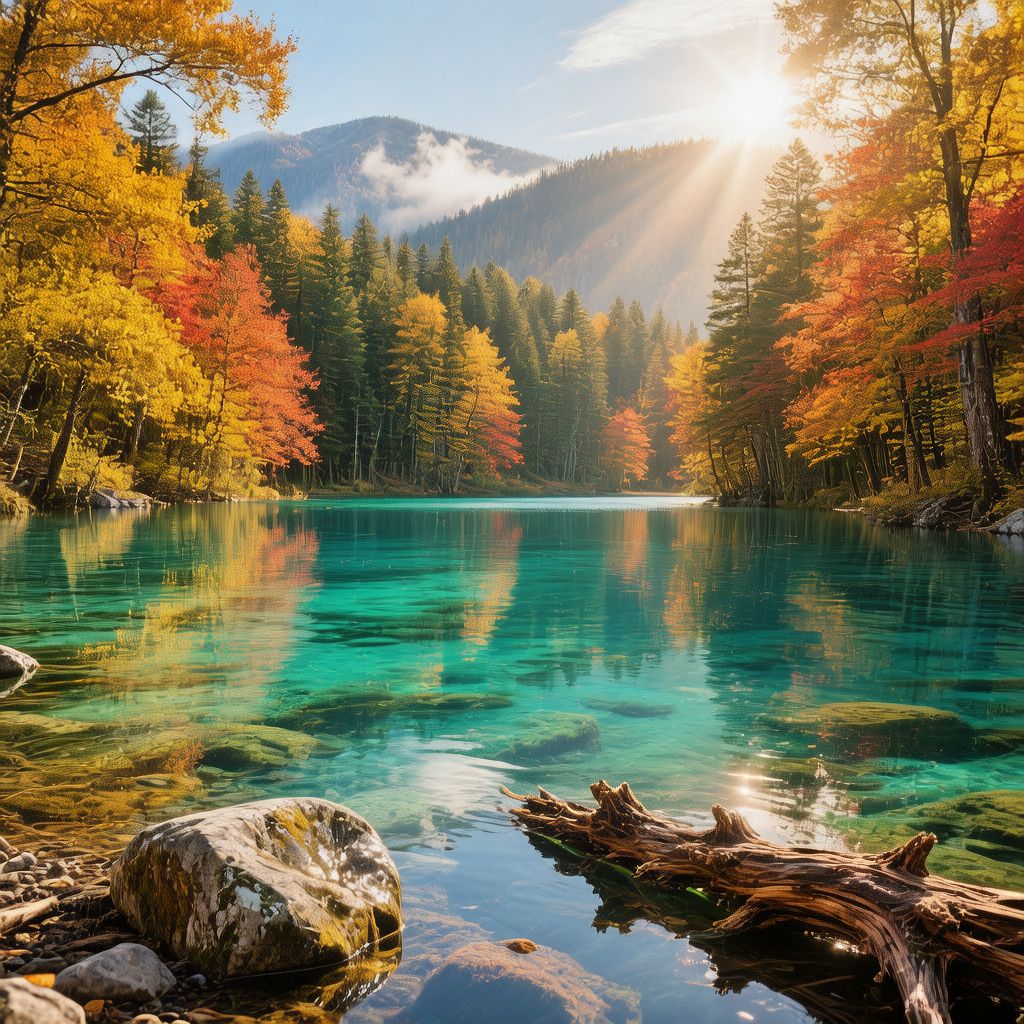
Of all Jiuzhaigou’s lakes, Five Flower Lake (Wuhua Hai) reigns supreme. Spanning just five hectares, this modest-sized lake packs an astonishing variety of colors into its shallow depths. On any given day, you might see shades of turquoise, amber, jade, sapphire, and even coral red — sometimes all at once, creating a mosaic effect that has earned it the nickname “the pride of Jiuzhaigou.”
The lake is exceptionally shallow, averaging only about five meters deep, which allows visitors to see straight to the bottom. Ancient fallen trees lie preserved beneath the surface, their trunks and branches clearly visible through the crystalline water, creating an eerie underwater forest that adds another layer of intrigue to this already mesmerizing site.
The Three Valleys of Jiuzhaigou
Jiuzhaigou is shaped like the letter Y, with three main valleys converging at the Nuorilang Tourist Center. Each valley offers a distinct experience:
Rize Valley (The Right Branch)
The longest and most scenic of the three, Rize Valley is home to Five Flower Lake, Pearl Shoal Waterfall, and Mirror Lake. This is where you’ll find the highest concentration of the valley’s most photogenic spots. The Pearl Shoal Waterfall, made famous by the Chinese television adaptation of “Journey to the West,” cascades over a wide travertine shelf in thousands of tiny streams that resemble scattered pearls.
Zechawa Valley (The Left Branch)
The longest valley in terms of elevation, Zechawa climbs to Long Lake — Jiuzhaigou’s deepest and largest lake at over 100 meters deep. The Five-Color Pond, though small, displays some of the most vivid hues in the entire park. This valley receives fewer visitors, making it ideal for those seeking quieter moments with nature.
Shuzheng Valley (The Main Stem)
The entrance valley and the most accessible, Shuzheng Valley features a chain of more than 40 lakes connected by waterfalls and streams. The Shuzheng Lakes, Double-Dragon Lake, and the impressive Nuorilang Waterfall — one of China’s largest travertine waterfalls — are all found here. Several Tibetan villages line this valley, offering cultural encounters alongside natural beauty.
Seasons of Wonder: When to Visit
While Jiuzhaigou is stunning year-round, each season brings its own character:
Autumn (October to November) is widely considered the peak season — and for good reason. The deciduous forests explode in shades of gold, orange, and crimson, their reflections doubling the spectacle in the still lake waters. The contrast between the warm foliage and the cool turquoise water creates images that seem digitally enhanced, yet are entirely real.
Winter (December to February) transforms the valley into a quiet wonderland. Frozen waterfalls create elaborate ice sculptures, snow blankets the ancient forests, and the reduced visitor numbers mean you can experience a solitude that’s impossible during peak season. Some lakes develop delicate ice formations along their edges while remaining unfrozen in the center, creating striking visual contrasts.
Spring (March to May) brings renewal as wildflowers emerge along the trails and the waterfalls swell with snowmelt. The valleys fill with birdsong, and the rhododendron forests burst into bloom, painting the hillsides in pink and white.
Summer (June to September) offers lush green landscapes and the most reliable weather, though it’s also the busiest season. The forests are at their most vibrant, and the increased water flow makes the waterfalls particularly impressive.
Practical Travel Tips for Jiuzhaigou
Getting There
Jiuzhaigou Huanglong Airport (JZH) offers flights from Chengdu (about 1 hour), Chongqing, Xi’an, and other major cities. From the airport, it’s a scenic 90-minute drive to the park entrance. Alternatively, long-distance buses run from Chengdu’s Chadianzi Bus Station, taking approximately 8-10 hours through mountain roads — a journey that’s an adventure in itself.
Park Entry and Transportation
Tickets cost approximately 250 CNY during peak season (April-November) and 80 CNY during low season (December-March). The park operates a mandatory shuttle bus system that runs along the three valleys, with stops at all major attractions. You can hop on and off at your leisure, making it easy to cover the vast distances between sites.
Accommodation
While accommodation inside the park is no longer available (to protect the environment), the nearby town of Jiuzhaigou offers a wide range of options, from budget guesthouses to luxury resorts. Book well in advance for autumn visits, as this is by far the busiest time.
What to Pack
Even in summer, the high altitude (2,000-3,100 meters) means temperatures can drop significantly, especially in the mornings and evenings. Pack layers, comfortable walking shoes, sun protection, and a good camera — you’ll need it. The altitude can also cause mild altitude sickness for some visitors; take it easy on your first day and stay hydrated.
The Cultural Heart of the Valley
Beyond its natural splendor, Jiuzhaigou is a living cultural landscape. The nine Tibetan villages that give the valley its name have been inhabited for over a thousand years. The local Tibetan and Qiang communities maintain their traditional ways of life, and visitors can experience prayer flags fluttering in the mountain breeze, elaborately decorated Tibetan homes, and the warm hospitality of the local people.
The annual Mazo Festival, held in the fifth month of the Tibetan calendar, features traditional dances, music, and ceremonies that offer a rare window into the spiritual traditions that have shaped this valley for centuries. Even if your visit doesn’t coincide with the festival, the cultural elements woven throughout the valley add a dimension that elevates Jiuzhaigou beyond a purely natural attraction.
Conservation and the Future
Jiuzhaigou’s status as a World Heritage Site comes with strict conservation measures. The 2017 earthquake caused significant damage to some areas, including Nuorilang Waterfall, but the park has since implemented extensive restoration efforts. Daily visitor numbers are now capped to protect the fragile ecosystem, making advance booking essential.
As a visitor, you play a crucial role in preservation. Stay on designated trails, never touch or enter the lakes, dispose of waste properly, and respect the cultural sites. These small acts ensure that future generations will continue to marvel at the same rainbow-colored waters that have captivated travelers for millennia.
Final Thoughts
Jiuzhaigou Valley is more than a tourist destination — it’s a reminder that our planet can produce beauty so extraordinary it borders on the surreal. Whether you’re watching the sunset paint Five Flower Lake in impossible colors, standing beneath the thunder of Pearl Shoal Waterfall, or simply breathing in the clean mountain air beneath ancient trees, this valley has a way of making even the most seasoned traveler feel like they’re seeing something for the very first time.
Plan your visit, pack your patience for the crowds, and prepare to have your breath taken away. Jiuzhaigou delivers on every promise and then exceeds them.