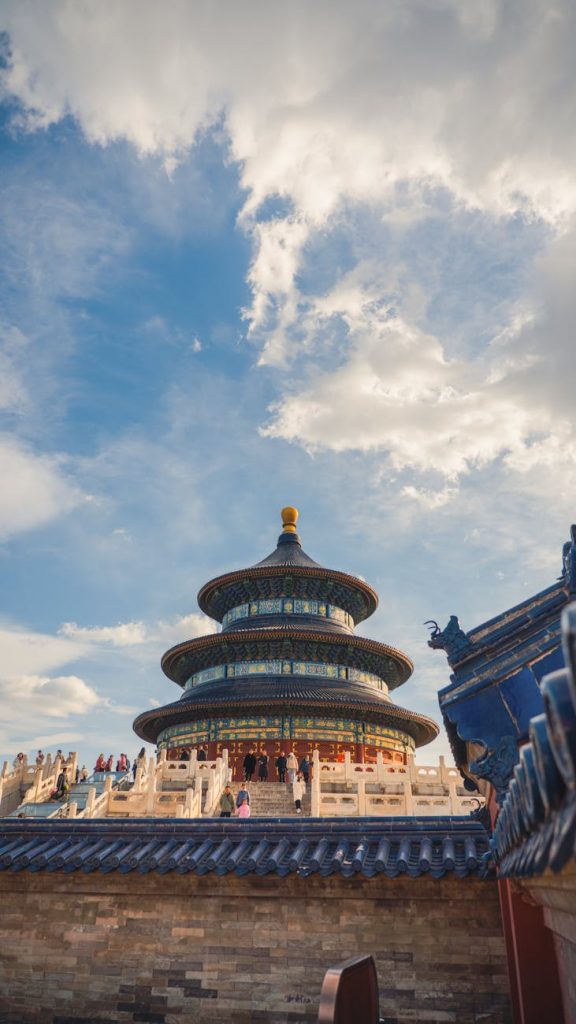
Tibet offers a spiritual culture shaped by centuries of Buddhist heritage, stunning high-altitude landscapes, and a unique way of life adapted to the world highest plateau. For travelers seeking profound cultural experiences and dramatic natural beauty, Tibet represents one of the most extraordinary destinations on Earth. The region distinct identity, shaped by geography, religion, and history, creates an atmosphere unlike anywhere else in China or the world.
The Tibetan Plateau, called the Roof of the World, averages over 4,500 meters in elevation and covers about 2.5 million square kilometers, making it the highest and largest plateau on Earth. This extreme environment has shaped every aspect of Tibetan life, from monastery architecture to dietary habits. The thin air, intense sunlight, and dramatic weather demand respect from visitors but reward them with transcendent beauty and spiritual depth. The Tibetan people maintain a cultural identity that has survived centuries of change and continues evolving in the modern era.
Geography and Environment
Tibet geography encompasses some of the most dramatic landscapes on Earth, from the snow-capped Himalayas to the vast northern Changtang grasslands. Mount Everest, the world highest peak, stands on Tibet border with Nepal and can be viewed from Rongbuk Monastery. The Yarlung Tsangpo River has carved the world deepest canyon through the eastern Himalayas. The plateau many lakes, including sacred Lake Yamdrok and Lake Namtso, display colors from turquoise to deep blue, contrasting against barren mountains. Tibet climate features low humidity, intense solar radiation, and extreme temperature variations. The thin air at high elevations contains about 60 percent of sea-level oxygen.
Buddhist Heritage and Monasteries
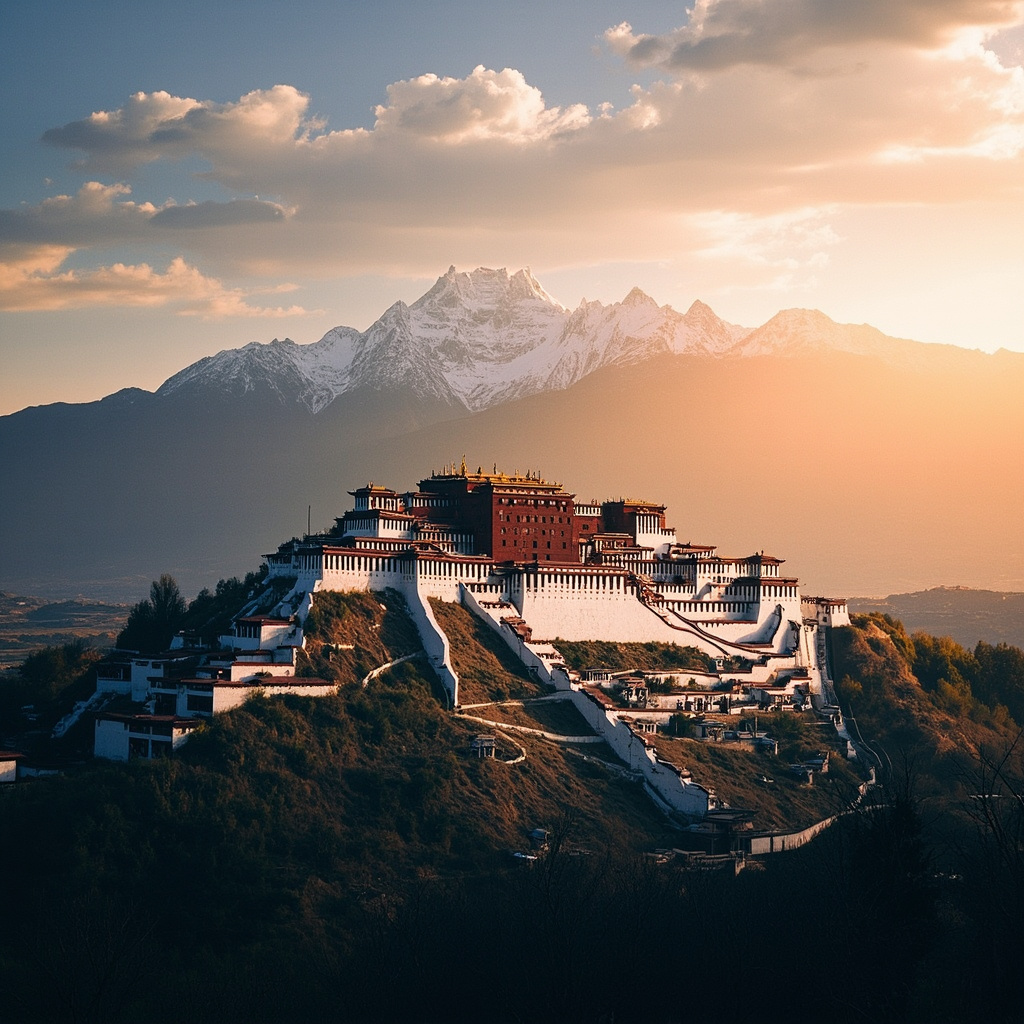
Tibetan Buddhism permeates every aspect of life in Tibet. The Potala Palace in Lhasa, the former winter residence of the Dalai Lamas, stands as Tibet most iconic structure, a 13-story fortress palace with over 1,000 rooms decorated with murals and statues. The Jokhang Temple is Tibet most sacred temple and a major pilgrimage destination, with pilgrims prostrating before its entrance in continuous devotion. Drepung Monastery, once the world largest monastery with over 10,000 monks, remains an active center of Buddhist learning. Sera Monastery is famous for daily debating sessions where monks engage in animated philosophical debates using distinctive hand gestures.
Nomadic Heritage
Traditional Tibetan nomads have herded yaks, sheep, and goats across the high plateau for centuries, following seasonal grazing patterns. The yak provides meat, milk, butter, fiber, and fuel, forming the foundation of traditional subsistence. The nomadic lifestyle persists in remote areas where families continue moving with herds in patterns established by ancestors. Tibetan nomads live in black yak-hair tents that are warm and waterproof. Their diet of tsampa barley flour, yak butter tea, and dried meat provides nutrition for survival in the harsh plateau environment.
Visiting Tibet Guidelines
Travel to Tibet requires careful preparation. All foreign visitors must obtain a Tibet Travel Permit through registered travel agencies. Independent travel is not permitted visitors must join organized tours with licensed guides. Altitude acclimatization is essential, with most itineraries including two days in Lhasa at 3,650 meters before traveling higher. Altitude sickness symptoms affect most visitors and should be taken seriously. Visitors should behave respectfully at religious sites, walking clockwise around temples, removing hats before shrine rooms, and never sitting on religious artifacts.
Cultural Etiquette
Responsible tourism in Tibet requires understanding local customs. Dress modestly when visiting monasteries, covering shoulders and legs. Avoid public displays of affection. Ask permission before photographing people and respect refusals. Do not touch religious objects without understanding proper protocol. Support the local economy by purchasing handicrafts directly from artisans and eating at locally owned restaurants. Leave no trace in natural areas, as the fragile high-altitude environment recovers slowly from human impact.
Conclusion
Tibet transforms visitors with spiritual depth and natural beauty, offering experiences that linger in memory. Prepare thoroughly for high-altitude travel, respect local customs, and approach your journey with an open mind. The rewards of visiting Tibet are proportional to the preparation and respect you bring.
Tibetan Buddhism: Key Concepts
Understanding some fundamental concepts of Tibetan Buddhism enhances your appreciation of the sites and practices you will encounter. Karma, the law of cause and effect, teaches that intentional actions have consequences that affect future experiences, including future rebirths. Reincarnation, the cycle of birth, death, and rebirth, continues until enlightenment is achieved and liberation from the cycle is attained. Compassion, known as karuna in Sanskrit, is the foundation of Buddhist practice and is expressed through caring for all sentient beings without exception. The Four Noble Truths form the core of Buddhist teaching: suffering exists, suffering arises from attachment, suffering can end, and the Eightfold Path leads to the end of suffering. The mantra Om Mani Padme Hum, which translates to the jewel is in the lotus, is the most important mantra in Tibetan Buddhism and is recited, written, and carved throughout Tibet as an invocation of compassion. Understanding these concepts provides context for the prayers, rituals, and art you will encounter at monasteries throughout Tibet.
Sacred Sites and Pilgrimage Routes
Tibet contains numerous sacred sites that attract pilgrims from across the plateau and beyond. Mount Kailash in western Tibet is considered the most sacred mountain in the world by four religions and is the destination of a challenging 52-kilometer circumambulation trek that pilgrims complete in three days. Lake Manasarovar, located near Mount Kailash, is considered the most sacred lake in Tibetan Buddhism and pilgrimage to its shores is believed to purify negative karma. The Barkhor pilgrimage circuit around the Jokhang Temple in Lhasa is the most accessible pilgrimage route for visitors, with pilgrims walking clockwise while spinning prayer wheels and reciting mantras. The circumambulation of Lingkhor, the outer pilgrimage route around Lhasa, takes several hours and provides a more extensive experience of Lhasa pilgrimage culture. Understanding the significance of these sacred sites adds depth to your experience of Tibet spiritual landscape.
Tibetan Art and Crafts
Tibetan artistic traditions produce some of the most distinctive and spiritually meaningful art in the world. Thangka paintings, created on cotton or silk using mineral and vegetable pigments, depict Buddhist deities, mandalas, and spiritual scenes with incredible detail and symbolic meaning. Creating a single thangka can take months or years, with artists undergoing purification rituals before beginning sacred works. Tibetan carpets and rugs, woven from Tibetan sheep wool, feature distinctive geometric patterns and Buddhist symbols that make them both functional and decorative. Prayer flags, printed with mantras and Buddhist symbols, are strung across mountain passes and monastery roofs throughout Tibet, with the wind believed to carry the blessings of the prayers printed on them. Tibetan metalwork, including ritual objects like dorje and bell sets, as well as everyday items like butter lamps, demonstrates sophisticated craftsmanship developed over centuries of religious and practical use.
Modern Tibet and Development
Contemporary Tibet is experiencing rapid development that is transforming traditional ways of life. Lhasa has modernized significantly, with new buildings and modern infrastructure coexisting with the historic Potala Palace and Jokhang Temple. The railway connecting Lhasa to other Chinese cities has increased tourism and trade. Education and healthcare have improved, with higher literacy rates than in previous decades. However, these developments have also created tensions between preservation of traditional culture and integration into mainstream society. Visitors to Tibet today witness a region in transition, where ancient monasteries overlook modern highways. Understanding these contemporary dynamics adds depth to the experience of visiting Tibet.
Responsible Trekking in Tibet
Trekking in Tibet requires careful preparation. Altitude is the primary concern, with most trekking routes above 4,000 meters requiring gradual acclimatization. Trekking itineraries should include acclimatization days and allow for slower progress at high elevations. Proper equipment including warm sleeping bags and waterproof clothing is essential. Hiring local guides supports the local economy and provides essential expertise. Environmental responsibility includes packing out all waste and staying on established trails. Permits are required for trekking in certain areas and should be arranged through registered tour operators in advance. Proper preparation ensures trekking in Tibet is safe and enjoyable.