Zhangjiajie features some of the most spectacular natural scenery in China, with towering quartz sandstone pillars that rise dramatically from the earth like a forest of stone. This otherworldly landscape, which inspired the floating mountains in James Cameron film Avatar, offers unforgettable hiking adventures through one of China most visually stunning national parks. The combination of dramatic geology, diverse ecosystems, and well-maintained tourist infrastructure makes Zhangjiajie a must-visit destination for nature lovers.
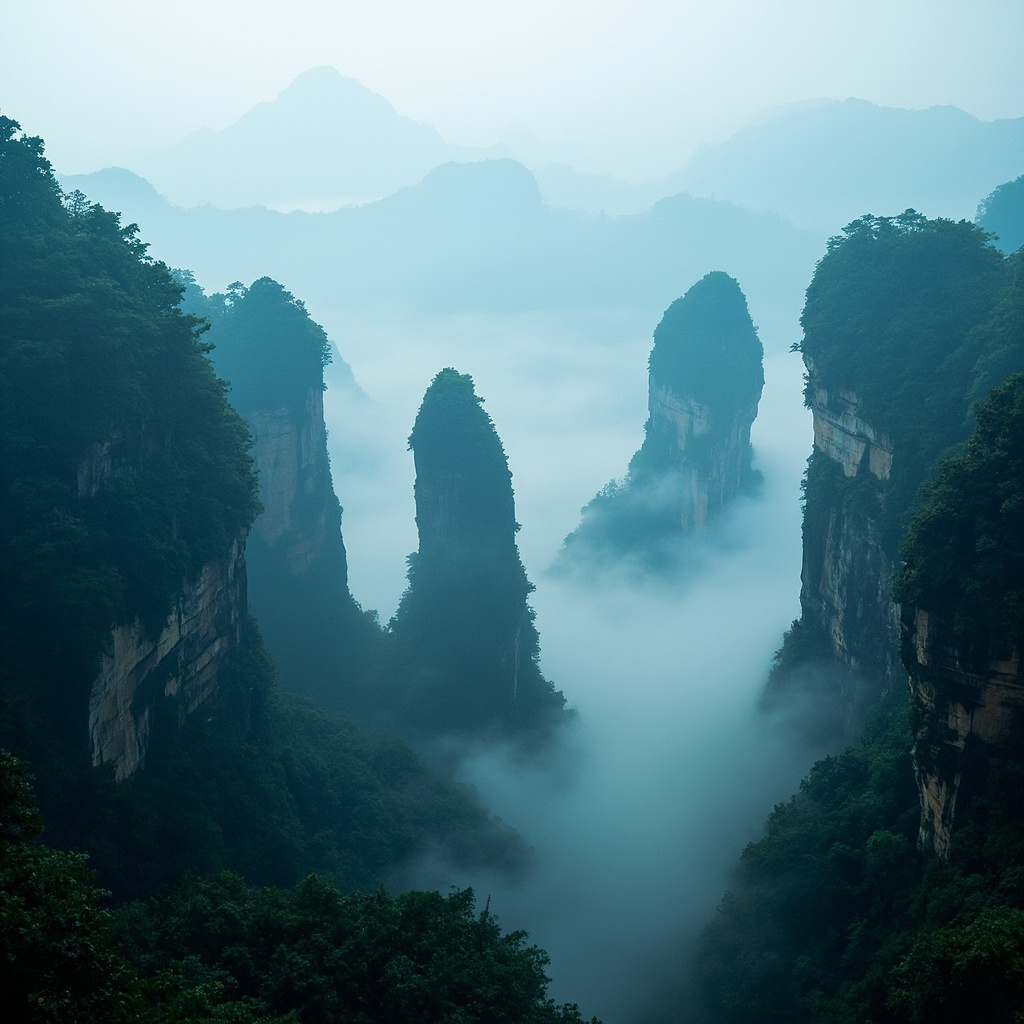
Located in northwestern Hunan Province, Zhangjiajie National Forest Park was established in 1982 as China first national forest park and later became part of Wulingyuan Scenic Area, a UNESCO World Heritage Site. The park unique geology, formed over 300 million years through tectonic uplift and erosion, created the distinctive quartz sandstone pillars that make this landscape unlike anywhere else on Earth. The area experiences a subtropical monsoon climate with distinct seasons, creating ever-changing conditions that transform the scenery throughout the year. Morning mist rising between the peaks creates a mystical atmosphere that has inspired Chinese landscape painters for centuries.
Unique Landscape and Geology
The quartz sandstone pillars of Zhangjiajie are the park most famous feature, rising up to 400 meters from the valley floor. These pillars were formed over millions of years as water eroded the softer rock layers, leaving behind the harder quartz sandstone columns. The rock unique composition, containing quartz crystals that reflect light differently, creates subtle color variations that change throughout the day. More than 3,000 of these pillars exist within the park, each with its own shape and character. Vegetation clings to the tops and sides of the pillars, with ancient pines growing from apparently solid rock. The park elevation ranges from 300 to 1,260 meters, creating distinct ecological zones that support diverse plant and animal species.
Wulingyuan Scenic Area
The Wulingyuan Scenic Area encompasses Zhangjiajie National Forest Park along with several other scenic zones that together create one of China most extensive natural areas. Tianzi Mountain Nature Reserve offers spectacular views from elevations over 1,200 meters, with observation decks providing panoramic vistas of the pillar forest below. Yuanjiajie Scenic Area contains the famous Avatar Hallelujah Mountain and the Bailong Elevator, which carries visitors up a cliff for breathtaking views. Yangjiajie Scenic Area offers less crowded trails with equally spectacular scenery. Each area within Wulingyuan offers unique experiences, and visitors should plan at least two to three days to explore the major sights.
Best Hiking Routes
Zhangjiajie offers hiking options for all fitness levels, from easy boardwalk paths to challenging multi-hour trails. The Golden Whip Stream trail is the most popular easy hike, following a crystal-clear stream for 7.5 kilometers through a valley surrounded by the famous pillars. The trail requires about two to three hours at a leisurely pace and is suitable for all ages. The Ten Mile Gallery offers an alternative easy route with a small train option. For experienced hikers, the trail to the summit of Huangshi Village provides spectacular panoramic views after climbing over 3,800 steps, a challenging but rewarding ascent. The Zhangjiajie Grand Canyon features a glass bridge spanning 430 meters across the canyon at a height of 300 meters, offering heart-pounding views.
Practical Travel Information
Zhangjiajie is accessible by air, train, and bus from major Chinese cities. The park is open year-round, though spring and autumn offer the best conditions with mild temperatures and moderate rainfall. Summer brings larger crowds and higher humidity, while winter offers sparse crowds and possible snow-capped pillars. The park entrance fee allows multiple-day entry and includes free shuttle buses connecting major scenic areas. Accommodation options range from budget hostels to luxury hotels in Wulingyuan town. Visitors should bring comfortable walking shoes, rain gear, and warm clothing even in summer, as mountain weather changes rapidly.
Photography Tips
Zhangjiajie is a photographer paradise with endless opportunities for stunning landscape images. The best light occurs during early morning and late afternoon when low sun angles create dramatic shadows. Mist and fog, which frequently occur in the morning, add atmosphere and depth to photographs. A telephoto lens helps compress perspective and isolate specific pillars, while a wide-angle lens captures the grand scale. The glass bridge and Bailong Elevator offer unique perspectives. Visitors should bring extra batteries and memory cards as photographic opportunities are virtually unlimited.
Conclusion
Zhangjiajie rewards nature lovers with bucket-list scenery that exceeds expectations. Allow at least two to three days to experience the park major attractions without rushing. The combination of unique geology, beautiful hiking trails, and well-maintained facilities makes Zhangjiajie one of China most satisfying natural destinations.
Zhangjiajie Wildlife and Ecology
The diverse habitats within Zhangjiajie National Forest Park support an impressive array of wildlife that visitors may encounter during their explorations. The park is home to several rare and protected species, including the Chinese giant salamander, which can grow up to 1.8 meters in length and lives in the park clear streams. Clouded leopards and leopard cats inhabit the more remote areas of the park, though sightings are rare due to their elusive nature. Various monkey species, including rhesus macaques, are commonly seen along trails and are accustomed to human presence, though feeding them is discouraged as it disrupts their natural behavior. Over 200 bird species have been recorded in the park, making it an excellent destination for birdwatchers. The unique geology of the area has created isolated habitats that have allowed distinct plant and animal communities to evolve, contributing to the region high biodiversity value. Early morning hikes offer the best opportunities for wildlife viewing, when animals are most active and visitor numbers are lowest.
Nearby Attractions Worth Visiting
Several attractions near Zhangjiajie National Forest Park offer additional experiences that complement the main park visit. The Zhangjiajie Grand Canyon, located about 40 minutes from the main park entrance, features a spectacular glass bridge that spans 430 meters across the canyon at a height of 300 meters above the valley floor. Walking across the glass bridge provides an exhilarating experience and unique photographic perspectives of the surrounding landscape. The Baofeng Lake, nestled between karst peaks, offers peaceful boat rides through scenery that showcases the region beauty from a different perspective. The Yellow Dragon Cave, one of China largest karst caves, contains impressive stalactite formations, underground rivers, and caverns that can be explored on guided tours. The Tianmen Mountain, accessible by the longest cable car in the world, features a natural arch in the cliff face called Heaven Gate that is a sacred site in local Buddhist tradition. Each of these attractions warrants a half-day to full-day visit and enriches your understanding of the region geological and cultural heritage.
Local Cuisine and Dining
Hunan cuisine, known for its bold use of chili peppers and preserved ingredients, offers distinctive flavors that differ from the better-known Sichuan cuisine. Local specialties in the Zhangjiajie area include steamed fish head with diced chili peppers, a dish that showcases the fresh water available in the region mountain streams. Smoked pork, preserved through traditional methods that have sustained local communities for generations, adds depth to many local dishes. Wild mushrooms gathered from the surrounding forests appear in soups and stir-fries during their growing season. Tujia minority cuisine, featuring ingredients like bamboo shoots and fern shoots, offers unique flavors not found elsewhere. Visitors should be prepared for spicy food and can request milder versions at most restaurants. Local restaurants in Wulingyuan town offer the most authentic dining experiences, with many family-run establishments serving recipes passed down through generations.