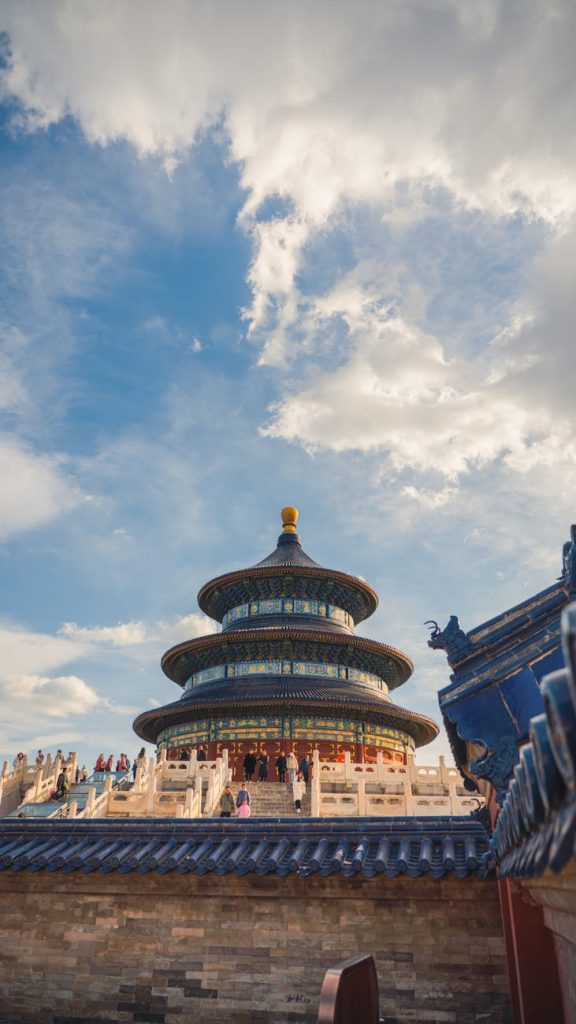
Chengdu, the capital of Sichuan province, masterfully blends ancient traditions with modern development, creating a city that ranks consistently as one of China’s most livable and visited destinations. Known as the City of Hibiscus and the Land of Abundance, Chengdu offers visitors a unique combination of giant pandas, world-famous spicy cuisine, and a famously relaxed lifestyle that has earned it the reputation as China’s most laid-back major city. The city’s slogan, Chengdu makes dreams come true, reflects the pride residents feel in their hometown and the quality of life it offers.
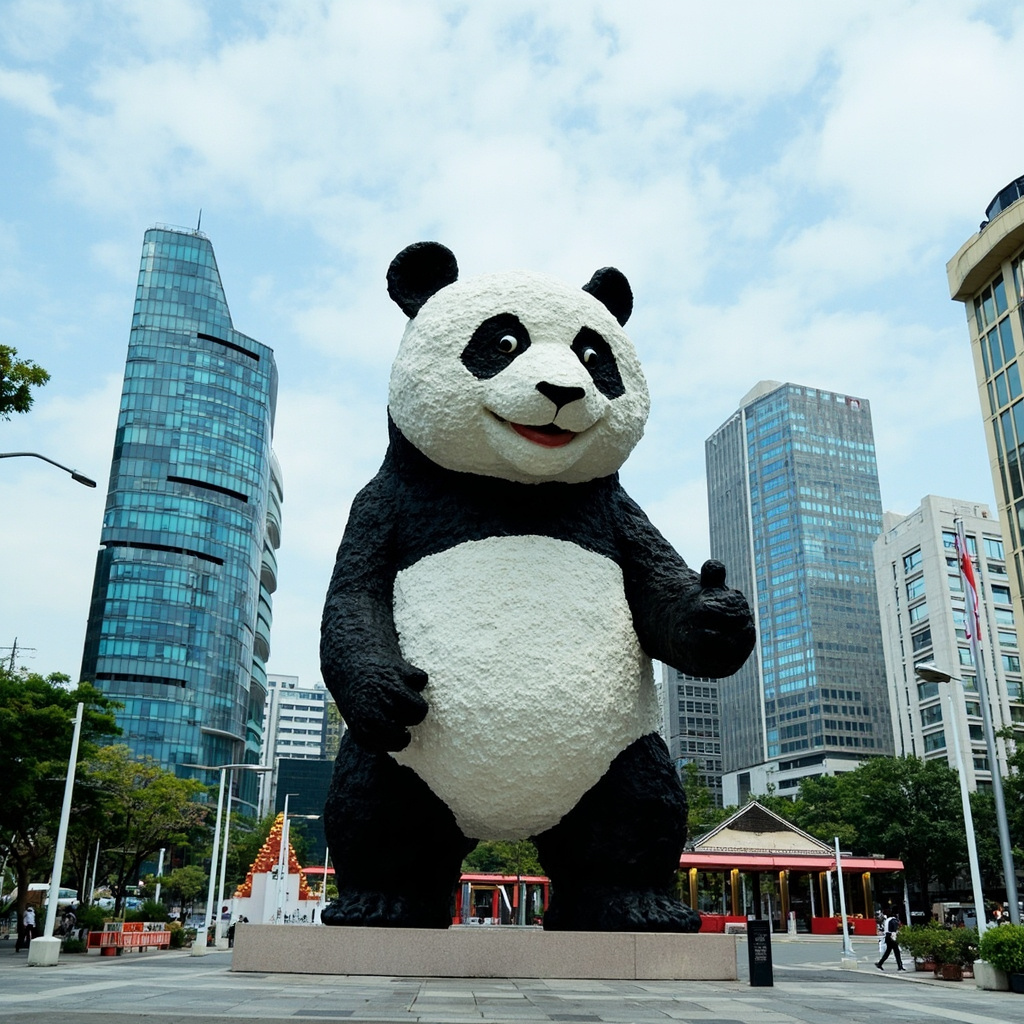
Chengdu’s history stretches back over 2,300 years, with the city serving as the capital of several regional kingdoms throughout Chinese history. The most famous period was the Three Kingdoms era, when Chengdu served as the capital of the Shu Han kingdom led by the legendary Liu Bei, whose story is immortalized in the classic novel Romance of the Three Kingdoms. This historical depth is still visible in the city’s temples, museums, and traditional neighborhoods, which coexist harmoniously with modern skyscrapers and shopping centers. The city’s unique character, shaped by its fertile surroundings and comfortable climate, has created a culture that values leisure, good food, and social connection above the hectic pace of other Chinese metropolises.
Top Attractions in Chengdu
Chengdu’s attractions offer diverse experiences ranging from cultural heritage sites to modern entertainment venues. The Chengdu Research Base of Giant Panda Breeding is the city’s most famous attraction, allowing visitors to observe giant pandas in naturalistic habitats and learn about conservation efforts to protect this beloved species. The base is best visited early in the morning when the pandas are most active during feeding time. Wenshu Monastery, the best-preserved Buddhist temple in Chengdu, features beautiful gardens, intricate carvings, and a vegetarian restaurant that serves some of the best Buddhist cuisine in China. Jinli Street, a reconstructed ancient shopping street, showcases traditional Sichuan architecture and offers local snacks, crafts, and souvenirs in an atmospheric setting that comes alive in the evening with lantern light and street performances. The Sichuan Opera Center presents nightly performances of traditional Sichuan opera, including the famous face-changing show that never fails to amaze audiences. The Jinsha Site Museum, built on the excavation of an ancient Shu kingdom archaeological site, displays extraordinary gold artifacts and provides insights into the sophisticated Bronze Age civilization that flourished in the Chengdu region over 3,000 years ago.
Chengdu’s Food Scene
Chengdu’s culinary scene is legendary throughout China, earning the city recognition from UNESCO as a City of Gastronomy, the first Asian city to receive this honor. The city’s food culture revolves around the bold, spicy flavors of Sichuan cuisine, with countless restaurants ranging from humble street stalls to elegant dining establishments serving regional specialties. Hot pot, the quintessential Sichuan dining experience, involves cooking raw ingredients in a bubbling pot of spicy broth at the table, creating a social dining experience that can last for hours. Chengdu hot pot is famous for its numbing and spicy broth, made with generous quantities of Sichuan peppercorns and dried chilies that create an addictive tingling sensation. Street food is an essential part of the Chengdu experience, with vendors throughout the city selling everything from spicy rabbit heads to sweet rice cakes. The city’s night markets, particularly around the Sichuan University area, offer endless opportunities for sampling local specialties and observing the vibrant street life that characterizes Chengdu after dark.
Leisure Culture and Tea Houses
Chengdu’s famous relaxed lifestyle is best experienced in its traditional tea houses, where locals gather to drink tea, play mahogany tiles mahjong, and socialize in a unhurried atmosphere that seems to resist the speed of modern life. The city’s tea house culture is unique even within China, reflecting the Sichuan character that values leisure, conversation, and simple pleasures. People’s Park, the most famous location for experiencing this culture, contains several tea houses where visitors can spend hours watching the daily life of Chengdu residents unfold. Ear cleaning, a traditional Sichuan service where practitioners clean customers ears with specialized tools, is still available in the park’s tea houses, offering a unusual but relaxing experience. The practice of mahjong is almost a religion in Chengdu, with the sound of clicking tiles echoing from apartments, tea houses, and even some workplaces throughout the city. Visitors are welcome to observe or even join games, though the fast pace and complex rules can be challenging for beginners.
Day Trips from Chengdu
Chengdu’s location makes it an excellent base for exploring some of Sichuan’s most spectacular attractions within day-trip distance. The Leshan Giant Buddha, a 71-meter-tall stone Buddha carved into a cliff face, is just over an hour’s drive from the city and can be combined with a visit to Mount Emei, one of China’s four sacred Buddhist mountains. The Dujiangyan Irrigation System, built over 2,200 years ago and still in use today, demonstrates ancient Chinese engineering genius and offers beautiful walking paths along the Min River. The panda base in Dujiangyan provides a less crowded alternative to the main Chengdu base. The Qingcheng Mountain, a sacred Taoist mountain with ancient temples nestled in bamboo forests, offers peaceful hiking and spiritual atmosphere just an hour from the city. Each of these day trips provides a different perspective on Sichuan’s natural and cultural heritage, making Chengdu an excellent base for exploring the broader region.
Best Time to Visit
Chengdu’s climate is mild throughout the year, though the city is known for its frequent cloudy and drizzly weather, earning it the nickname the City of Fog. Spring and autumn offer the most comfortable temperatures for outdoor exploration, while summer can be hot and humid. Winter temperatures rarely drop below freezing but the lack of heating in many buildings can make indoor spaces uncomfortable. The Chengdu Panda Base is excellent year-round, with pandas most active during morning feeding hours regardless of season.
Conclusion
Chengdu’s charm lies in its laid-back lifestyle, incredible food, and the warmth of its people. Allow at least three to four days to absorb the city’s many attractions and culinary scene, with additional time for day trips to nearby destinations. Chengdu offers a perfect introduction to Sichuan culture and a memorable destination in its own right.
Chengdu Shopping Guide
Chengdu offers diverse shopping experiences ranging from traditional markets to modern shopping centers. Jinli Street and the nearby Wide and Narrow Alleys provide atmospheric settings for buying traditional crafts, tea, silk products, and souvenirs. These pedestrian streets are designed to evoke traditional Sichuan architecture and are particularly beautiful when illuminated in the evening. The Chunxi Road shopping district offers modern department stores and international brands in a bustling pedestrian zone that showcases Chengdu contemporary retail scene. The Songxian Qiao antique market is a treasure trove for collectors, offering everything from ancient coins and porcelain to Mao-era memorabilia and traditional furniture. Sichuan embroidery, known as Shu embroidery, is one of China four famous embroidery styles and makes an excellent souvenir, with intricate designs that can take months to complete. Tea from Sichuan tea plantations, particularly jasmine tea and green tea from Mount Emei, makes a meaningful and portable gift.
Family Activities in Chengdu
Chengdu offers numerous activities suitable for families traveling with children. The Panda Base is the obvious highlight, with children of all ages delighted by watching pandas eat, play, and sleep in naturalistic environments. The Chengdu Zoo, though less famous than the Panda Base, houses a wider variety of animals including golden monkeys, tigers, and elephants at a lower cost. The Happy Valley theme park offers roller coasters, water rides, and entertainment suitable for older children and teenagers. The Sichuan Science and Technology Museum features interactive exhibits that engage children with hands-on learning about science and technology. The People’s Park provides a relaxed setting for family outings, with paddle boats on the lake, children playgrounds, and the opportunity to observe local life including traditional tea ceremonies and mahjong games. Many restaurants in Chengdu are family-friendly and accustomed to accommodating children, though spicy dishes can be modified to milder versions upon request.
Wellness and Relaxation in Chengdu
Chengdu relaxed lifestyle extends to wellness and relaxation services that visitors can enjoy during their stay. Traditional Sichuan foot massages, available at shops throughout the city, provide relief after long days of sightseeing and are surprisingly affordable. The city hot springs, located in the surrounding countryside, offer natural thermal baths in beautiful settings that provide escape from urban life. Traditional Chinese medicine clinics offer services like acupuncture, cupping, and herbal consultations for those interested in experiencing Eastern healing practices. Many hotels offer spa services that combine traditional techniques with modern facilities. The city numerous parks provide spaces for morning Tai Chi practice, afternoon strolls, and evening relaxation, embodying the unhurried approach to life that makes Chengdu famous throughout China.