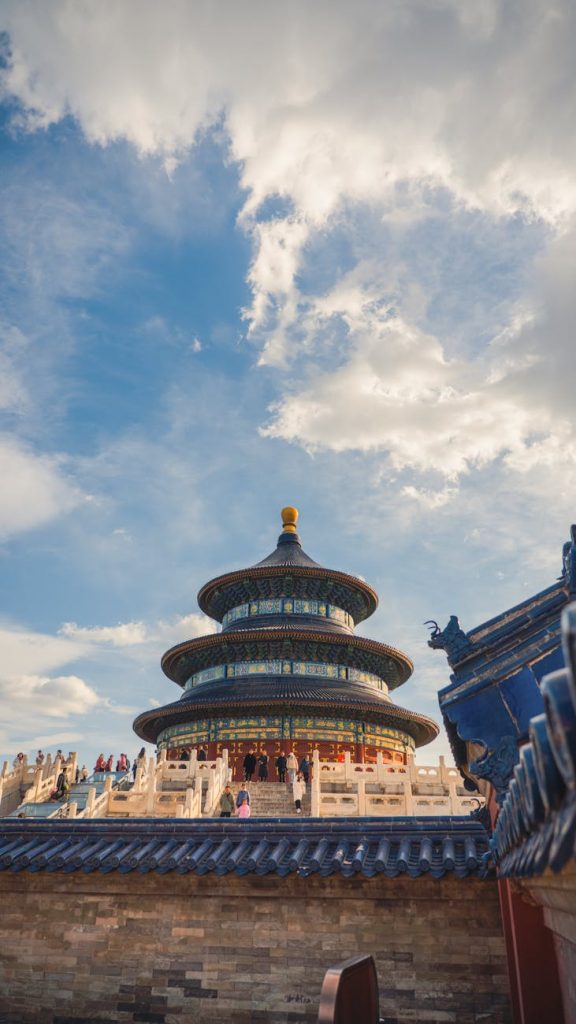
Chinese wedding traditions blend ancient customs with modern celebrations, creating spectacular events that honor family values and cultural heritage. While contemporary Chinese weddings increasingly incorporate Western elements, traditional practices remain central to the ceremony, reflecting the culture’s deep respect for family continuity, social harmony, and ancestral connections. Understanding these traditions provides insight into the values that continue to shape Chinese society today.
Chinese wedding customs have evolved over thousands of years, with many practices originating from Confucian principles emphasizing family hierarchy, filial piety, and social order. The traditional Chinese wedding was not merely a union between two individuals but a merger of two families, with elaborate rituals designed to ensure harmony, prosperity, and the continuation of family lineages. While modern weddings have become more individualized and romantic, many traditional elements persist as meaningful symbols of cultural identity and family respect.
Traditional Matchmaking and Engagement
Historically, families arranged marriages through professional matchmakers who evaluated compatibility based on family background, social status, and astrological readings. The matchmaker would exchange documents called the eight characters, containing the couple’s birth details, which a fortune teller would analyze for compatibility. If the eight characters were harmonious, the families would proceed to engagement negotiations. Modern Chinese couples typically choose their own partners freely, but many still consult fortune tellers or use astrological compatibility checks as a traditional gesture. Matchmaking services and dating apps have replaced traditional matchmakers, though some families still employ go-betweens for formal introductions. The engagement ceremony, known as the betrothal, involves the groom’s family presenting gifts to the bride’s family as a symbol of sincerity and commitment.
Wedding Date Selection
Selecting an auspicious wedding date remains an important tradition for many Chinese couples. Fortune tellers or almanac specialists analyze the couple’s birth dates and the lunar calendar to identify favorable dates that will bring luck and prosperity to the marriage. Auspicious dates typically fall on even-numbered days of the lunar month, especially those with the number eight, which sounds like the word for wealth. Saturdays and public holidays are popular for practical reasons, but couples seeking traditional blessings schedule their weddings on dates specifically chosen for their astrological harmony. The date selection process also considers the compatibility of the chosen date with the couple’s parents’ birth dates, as family harmony is considered essential for a successful marriage.
The Bridal Tea Ceremony
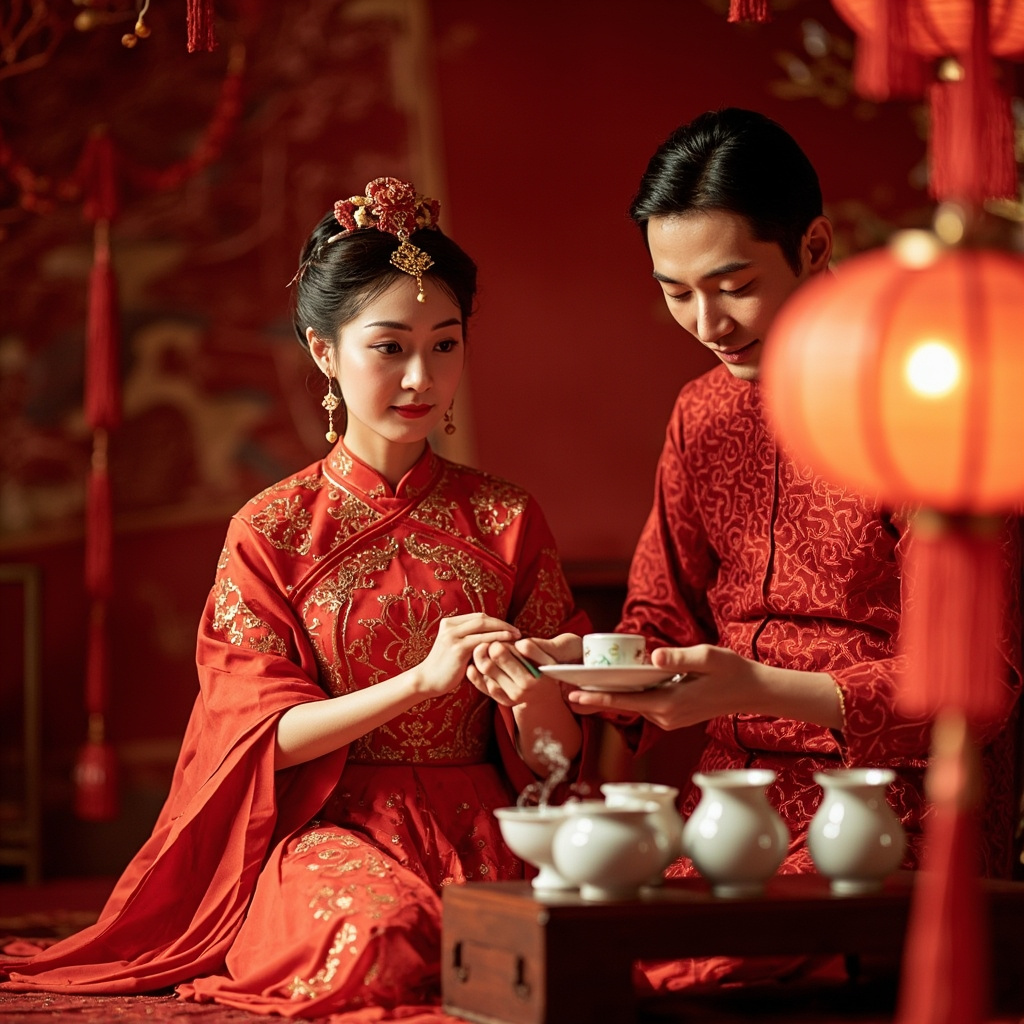
The tea ceremony is one of the most significant and enduring Chinese wedding traditions, serving as the formal introduction of the bride to her husband’s family. On the wedding day, the bride serves tea to her new parents-in-law and other elder relatives, who respond by giving her red envelopes containing money and gold jewelry. This ritual symbolizes the bride’s acceptance into her husband’s family and her commitment to honoring her new elders. The groom similarly serves tea to the bride’s family at their home before the wedding procession. The tea ceremony is performed with precise etiquette, including proper kneeling posture, the correct way to hold the tea cups with both hands, and specific forms of address for each family member. Photographs of the tea ceremony are treasured family keepsakes that document this important moment of family union.
Grand Wedding Banquets
Chinese wedding banquets are elaborate affairs featuring multiple courses that celebrate abundance and prosperity. Traditional banquets include at least eight courses, with eight being an auspicious number representing wealth and good fortune. The banquet menu typically includes whole fish symbolizing abundance, lobster or prawns for liveliness and happiness, chicken representing a good marriage union, and noodles for longevity. Roasted suckling pig, a traditional Cantonese wedding dish, symbolizes the bride’s purity and the family’s prosperity. The banquet is also the occasion for the bride to change outfits multiple times, typically wearing a white Western-style wedding gown for the ceremony, a traditional red Chinese gown called a qipao or cheongsam for the banquet, and an evening gown for the reception. Each outfit change provides opportunities for photographs and toasts that celebrate the couple’s union.
Modern Wedding Trends
Contemporary Chinese weddings blend traditional elements with Western influences in creative combinations that reflect modern couples’ dual cultural identities. Many weddings begin with a Western-style ceremony featuring white wedding dresses, flower girls, and ring exchanges, followed by a traditional Chinese banquet with tea ceremonies and multiple outfit changes. Destination weddings at beaches, mountain resorts, and international locations have become increasingly popular among affluent urban couples. Photography has become a major wedding industry in China, with couples investing heavily in pre-wedding photo shoots that feature multiple costume changes and elaborate settings. Despite modernization, the essential values of family respect, generational continuity, and auspicious symbolism continue to shape how Chinese couples celebrate their weddings.
Conclusion
Chinese wedding traditions beautifully preserve cultural heritage while adapting to contemporary values and preferences. The combination of ancient customs with modern celebrations creates meaningful ceremonies that honor both tradition and individual choice. Attending a Chinese wedding offers intimate cultural experiences and insights into the family values that remain central to Chinese society.
Wedding Photography and Videography
Wedding photography has become a major industry in China, with couples investing heavily in elaborate pre-wedding photo shoots. The pre-wedding photo shoot is typically conducted weeks before the wedding, allowing couples to create albums and displays for the reception. These shoots often feature multiple costume changes, with brides wearing Western white gowns, traditional Chinese qipao, and period costumes from various Chinese dynasties. The shoots take place at carefully selected locations including parks, historic buildings, and studios. Professional makeup artists attend the shoots, creating looks more dramatic than everyday makeup. The resulting photographs are displayed prominently at the wedding banquet and shared widely on social media.
Wedding Gifts and Red Packet Etiquette
Cash gifts in red envelopes, known as hongbao, are the standard wedding gift at Chinese weddings. The amount depends on your relationship with the couple, with close friends and family expected to give more. The amount should contain even numbers, with 888 being particularly auspicious because eight sounds like the word for wealth. Amounts containing four should be avoided because four sounds like the word for death. The red envelope is presented to the couple during the tea ceremony or at the banquet entrance. Physical gifts, if preferred, should be practical household items. Gift registries are becoming more common at urban Chinese weddings, making selection easier for guests.
Post-Wedding Traditions and Customs
Chinese wedding traditions extend beyond the wedding day itself, with customs that continue through the first year of marriage. The three-day return, where the newly married couple visits the bride family home on the third day after the wedding, allows the bride to reconnect with her family and demonstrates the groom respect for his in-laws. The bride typically brings gifts to her family, and her family hosts a small banquet to welcome the couple. The first month after the wedding is traditionally a time when the bride adjusts to her new household, with her mother visiting regularly to ensure her daughter is settling well. The one-month celebration marks the end of this adjustment period with another family gathering. The first Chinese New Year after the wedding is significant, with the couple visiting both families and the bride receiving special recognition as a new member of her husband family. The birth of the first child, particularly a son in traditional families, completes the marriage cycle and fulfills the most important purpose of marriage in traditional Chinese thought: continuing the family lineage.
Symbolic Wedding Colors and Their Meanings
Colors in Chinese weddings carry deep symbolic meaning that influences every aspect of wedding planning and decoration. Red is the most important wedding color, representing happiness, prosperity, and good fortune. Red appears in the bride’s traditional wedding gown, the wedding invitations, decorations, and the red envelopes containing cash gifts. Gold represents wealth and nobility, often used in jewelry, embroidery, and decorative elements. Pink symbolizes romance and young love, popular in modern Chinese weddings for floral arrangements and bridesmaid dresses. White, traditionally associated with mourning, is now accepted in Chinese weddings through Western-style white wedding gowns, but it is never used as a primary color for decorations. Black is avoided in traditional Chinese weddings as it represents mourning and bad luck. Understanding color symbolism helps guests choose appropriate attire for Chinese weddings and explains the visual choices couples make in their celebrations. Modern couples increasingly experiment with non-traditional color schemes, but red and gold remain the most popular and meaningful choices.