Zhangjiajie in Hunan Province showcases some of China’s most spectacular natural scenery, with towering sandstone pillars covered in lush vegetation creating landscapes that inspired James Cameron’s Avatar films. This comprehensive travel guide reveals how visitors can maximize their experience of this UNESCO World Heritage Site, navigating the logistics and timing that transform good visits into extraordinary ones.
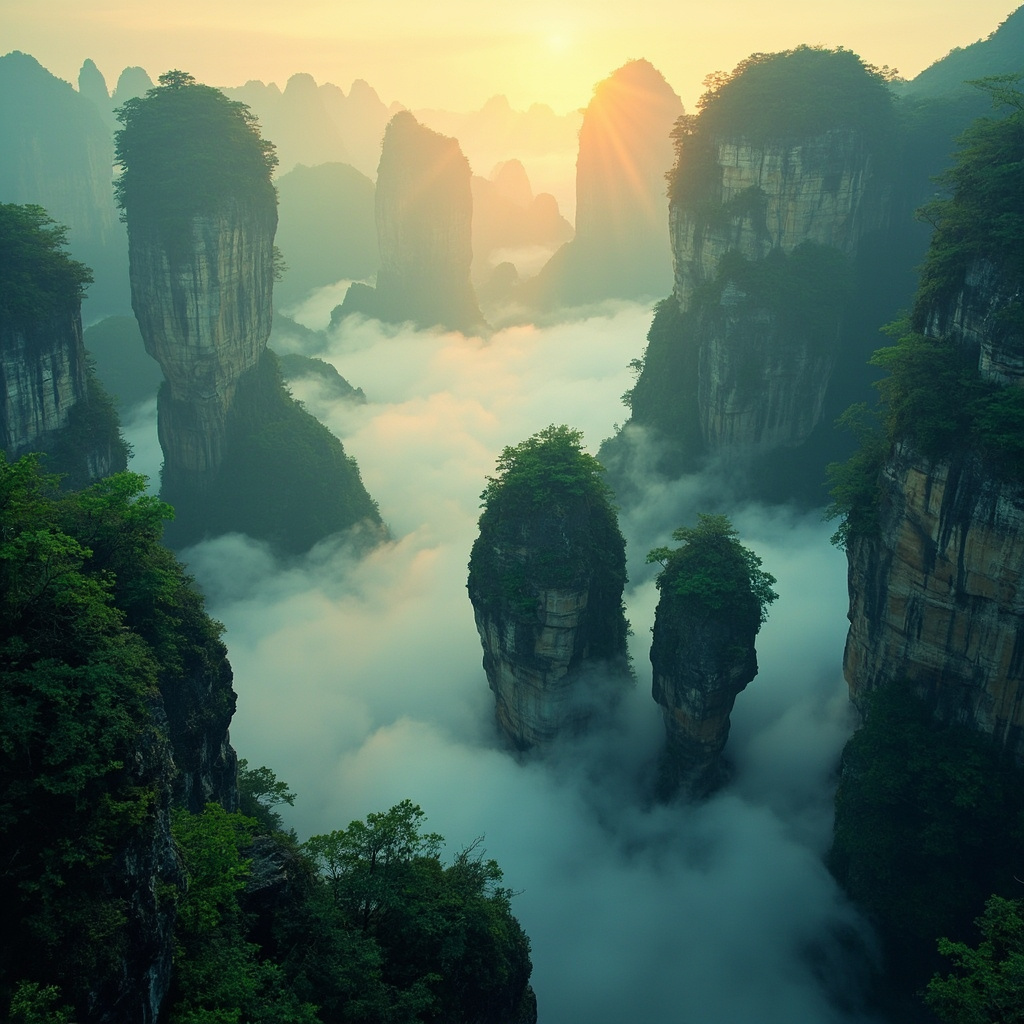
The Wulingyuan Scenic Area encompasses the most spectacular portions of Zhangjiajie’s landscape, featuring 3,000 quartz sandstone pillars that rise dramatically from the valley floor, some exceeding 400 meters in height. These formations, formed over 300 million years of geological processes, create visual experiences unlike anywhere else on Earth, with mists and clouds that transform the scenery throughout the day into seemingly infinite variations.
Understanding Zhangjiajie’s Unique Landscape
The geological processes that created Zhangjiajie’s distinctive terrain began during the Devonian period, approximately 400 million years ago, when silica-rich sediments accumulated and later compressed into quartz sandstone. Subsequent tectonic activity raised these formations while erosive forces carved the valleys that now separate the towering pillars, creating the extraordinary landscape that defines the region.
The quartz sandstone’s composition resists erosion more effectively than surrounding rocks, explaining why pillars remain standing while softer materials have eroded away over millions of years. The characteristic thin-layer horizontal lines visible on pillar surfaces record different periods of sediment accumulation, like growth rings in trees that reveal the formation’s geological history.
The vegetation covering the pillars creates the emerald appearance that distinguishes Zhangjiajie from other karst landscapes, with trees and plants rooted in thin soil layers that accumulate in cracks and crevices. These vegetation “caps” atop bare rock pillars create the floating mountain effect that visitors describe as otherworldly, particularly when mist fills the valleys leaving only pillar tops visible.
Major attractions and Hiking Routes
The Yellowstone National Park of China (not related to the American park) requires at least two full days to explore adequately, with attractions spread throughout the massive scenic area requiring shuttle bus and cable car transportation between locations. The park’s 5,000+ visitors daily during peak season creates crowding that smart planning can minimize through strategic timing and route selection.
The Avatar Hallelujah Mountains, named in honor of the film inspired by Zhangjiajie’s scenery, occupy the heart of the park with the most spectacular pillar formations visible from various viewpoints. The Yuanjiajie scenic area requires cable car ascent followed by elevator passage to reach main viewing platforms, with the “First Bridge Under Heaven” providing iconic photo opportunity of a natural rock arch spanning between two pillars.
The Golden Whip Stream follows the valley floor through the heart of the scenic area, with walking trails allowing exploration at ground level beneath the towering pillars. This hike provides perspectives unavailable from elevated viewing platforms, with the stream’s gentle flow and lush vegetation creating intimate contact with the landscape that aerial views cannot match.
Tianzi Mountain provides panoramic views from the northern portion of the park, with the weather station at the summit offering 360-degree vistas across the pillar forest. The cable car ascent saves hours of climbing while delivering visitors directly to the most spectacular viewpoints, though the hiking descent offers different perspectives through less-visited sections.
Best Times to Visit
Spring and autumn offer optimal conditions for Zhangjiajie visits, with comfortable temperatures and clear visibility that allow full appreciation of the scenery. These shoulder seasons also bring minimal crowding compared to summer peak, though weekend visits during spring holidays can still create substantial queues at cable car stations.
Autumn’s golden foliage provides stunning contrast between autumn colors and evergreen vegetation, creating photographic conditions that attract serious photographers from throughout China and worldwide. The October National Day holiday brings maximum crowds, making advance booking essential for accommodations and requiring patience at major attractions.
Summer offers longer days and easier hiking conditions, though afternoon clouds and fog often obscure viewpoints that morning visitors might enjoy. Summer thunderstorms create dramatic atmospheric conditions that some visitors prefer, with pillars emerging and disappearing in changing mist patterns that create constantly varying scenery. The lush summer vegetation provides deepest green colors of the year.
Winter visits offer stark beauty with reduced crowds and dramatically different scenery when snow occasionally dusts the pillar tops. Some attractions close during winter due to ice conditions, and the shorter daylight hours limit exploration time, but clear winter days can provide exceptional visibility and completely different photographic opportunities.
Logistics and Planning
Getting to Zhangjiajie typically involves flying into Zhangjiajie Hehua Airport from major Chinese cities, with direct flights from Beijing, Shanghai, Guangzhou, and other hub airports. High-speed rail connections from surrounding cities provide scenic alternative for those preferring ground transportation, with the railway station conveniently located near the scenic area entrance.
Accommodation options range from luxury hotels near the scenic area entrance to budget hostels in the city center, with most visitors preferring proximity to the park for early-morning access that avoids peak crowds. The park’s massive size makes single-day visits rushed; two to three days allows comprehensive exploration without feeling constantly hurried.
Park entry requires purchasing combined tickets that include shuttle bus transportation throughout the scenic area, with validity extending across multiple days for comprehensive exploration. VIP services that provide private guides and expedited transportation significantly improve the experience for visitors with budgets to accommodate premium services.
Hiking Difficulty and Preparation
Zhangjiajie hiking ranges from easy boardwalk walks suitable for all fitness levels to strenuous mountain climbs that challenge even experienced hikers. The core scenic areas feature extensive boardwalk and staircase systems that provide access without requiring scrambling or technical climbing, though the constant up-and-down terrain can challenge those unaccustomed to stair climbing.
Elevators and cable cars reduce physical demands for reaching major viewpoints, though queues during peak season can exceed one hour during popular times. Strategic early morning visits when the park opens allow substantial exploration before crowds build, maximizing views and photography opportunities before afternoon fog and crowds arrive.
Proper hiking footwear with ankle support proves essential for the uneven terrain, while rain gear provides necessary protection in the frequent afternoon showers that pass through the area. Carrying water and snacks supports extended exploration without requiring exits for refreshment, though vendors throughout the park provide options for those preferring to travel light.
Conclusion
Zhangjiajie rewards nature lovers and photographers with extraordinary scenery that justifies its UNESCO World Heritage designation and international fame. The combination of geological uniqueness, visual drama, and accessibility from major transportation hubs makes this destination accessible to travelers throughout China and internationally.
Proper planning transforms good visits into extraordinary experiences, with strategic timing, route selection, and logistics management maximizing appreciation of scenery while minimizing frustration from crowds and queues. The investment in comprehensive exploration pays dividends in memories and photographs that last a lifetime.