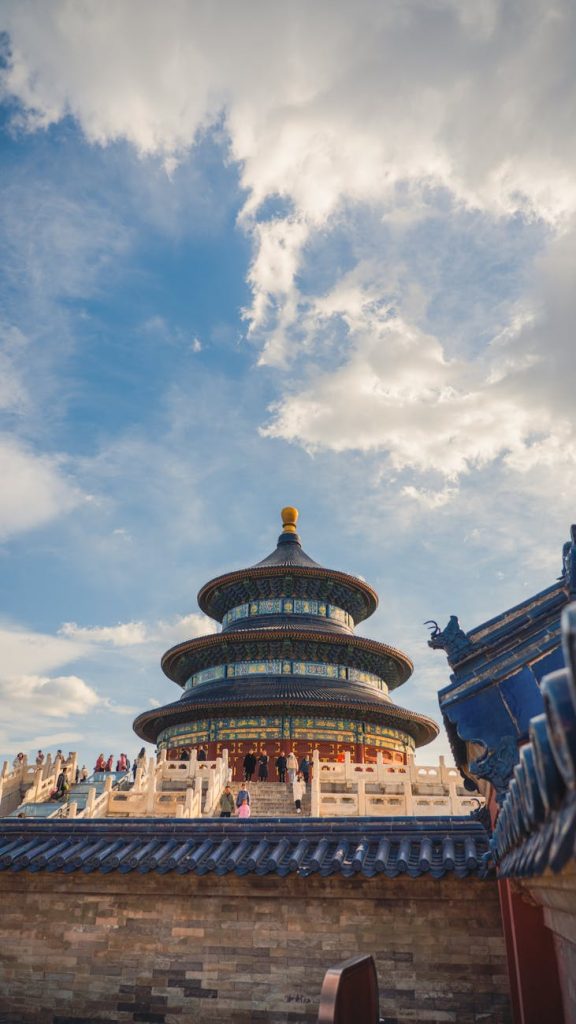
Chengdu, capital of Sichuan province, blends ancient traditions with modern development in a city that has earned international recognition as a UNESCO City of Gastronomy and domestic reputation as China’s most relaxed city. This comprehensive guide reveals how visitors can experience the authentic character of this remarkable destination, where the pace of life remains deliberately leisurely despite rapid urban development.
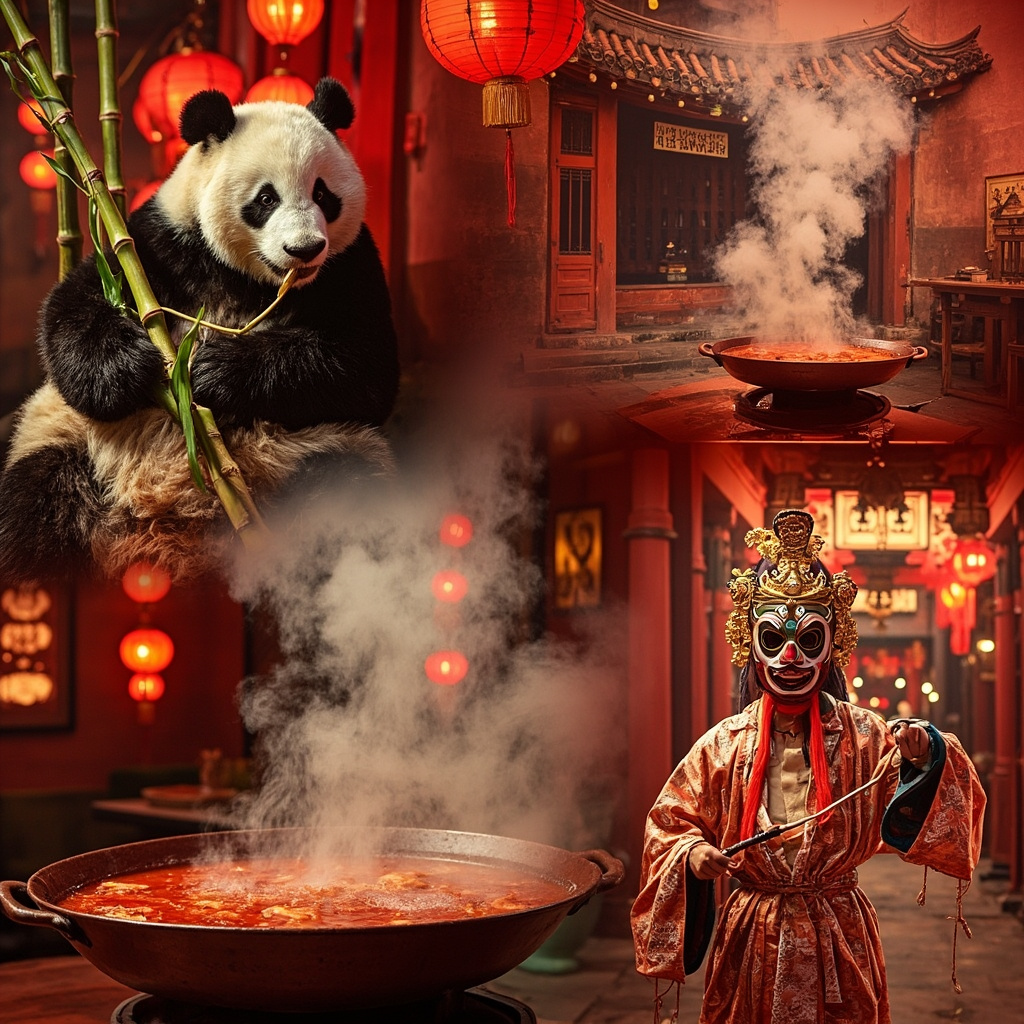
The city’s 2,000-year history as a regional capital has produced cultural attractions ranging from ancient temples to cutting-edge museums, while its location in China’s most productive agricultural region has developed the culinary tradition that has made Sichuan cuisine famous worldwide. Modern Chengdu offers world-class dining, vibrant nightlife, and cultural attractions that satisfy diverse interests while maintaining the relaxed atmosphere that distinguishes it from other major Chinese cities.
Top Attractions in Chengdu
Wenshu Monastery provides peaceful escape from urban bustle with beautifully preserved Buddhist architecture, traditional gardens, and the monks’ daily chant schedules that visitors can observe. The monastery has operated continuously since its founding in 617 CE, making it one of Chengdu’s oldest continuously operating religious institutions. Morning visits coincide with chanting sessions that create atmospheric immersion in Buddhist practice.
Jinli Street recreates ancient Shu culture in a pedestrian street lined with traditional buildings housing craft shops, teahouses, and regional snack vendors. This tourism development, while partially artificial, provides convenient access to traditional atmosphere that would otherwise require travel to more remote locations. Evening visits allow combination with nearby Shu Feng Ya Yue performances that showcase regional performing arts.
The Chengdu Panda Base, officially the Chengdu Research Base of Giant Panda Breeding, offers closest accessible encounters with China’s national symbol. The research center’s natural habitat design allows pandas to display natural behaviors while visitors observe from boardwalks and viewing areas. Morning visits between 7:30 and 10:00 offer optimal panda activity and smaller crowds than afternoon visits.
The Sichuan Museum and Chengdu Museum provide cultural context for understanding the region’s heritage, with the Sichuan Museum’s collections particularly strong in Buddhist art, Tibetan artifacts, and archaeological discoveries from local sites. Both museums offer free admission, making them ideal activities for hot summer afternoons or rainy days.
The Legendary Food Scene
Chengdu deserves its reputation as a food lover’s paradise with street food, hole-in-the-wall eateries, and world-class restaurants serving the full range of Sichuan cuisine. The city’s dedication to culinary excellence reflects regional pride in food culture that has produced the most diverse and developed regional cuisine in China. Sampling this culinary landscape requires adventurous eating and willingness to explore beyond obvious tourist areas.
Breakfast in Chengdu might include sweet rice balls (tang yuan) in sugar syrup or steaming bao filled with Sichuan-style meat preparations. Lunch could feature dan dan noodles from a street cart vendor, while dinner might explore hot pot variations ranging from thenumbsaucebase common throughout the region to the distinctive Chongqing bullfrog hot pot. Between meals, snack vendors throughout the city offer samples of regional specialties impossible to find outside Sichuan.
Teahouses throughout Chengdu provide essential local experience where residents gather for conversation, business discussions, and people-watching over cups of local tea. The most famous such establishments cluster around People’s Park, where established teahouses offer traditional service in atmospheric settings that have served the same clienteles for generations. Afternoon visits allow observation of local daily life in authentic context.
Relaxed Lifestyle Culture
The famous slogan ” Chengdu, 一座来了就不想走的城市” (Chengdu, a city where you don’t want to leave once you arrive) reflects the deliberate pace of life that distinguishes this major metropolitan area from other Chinese cities. Local residents prioritize leisure activities, with tea houses, mahjong parlors, and outdoor gathering spaces thriving throughout the city regardless of economic conditions.
People’s Park illustrates this lifestyle culture perfectly, with thousands of residents gathering daily in the park’s gardens, teahouses, and entertainment areas. Morning exercise sessions, afternoon card games, and evening dancing bring the park to life from early morning until after dark, creating public space that serves as living room for the entire city. Visiting People’s Park provides window into local daily life impossible to access in more formal tourist settings.
The mahjong culture pervades Chengdu social life, with public parks, teahouses, and private homes hosting games throughout the day and evening. Visitors curious about this iconic Chinese social activity can arrange mahjong experiences through local hosts, learning rules and cultural significance while enjoying authentic social interaction. The game serves as icebreaker and relationship builder that facilitates social connections throughout Chinese society.
Day Trips from Chengdu
Leshan Giant Buddha, the world’s largest carved stone Buddha at 71 meters tall, lies about 130 kilometers from Chengdu and makes ideal day trip. Construction began in 713 CE and continued for 90 years, creating the massive sculpture that depicts Maitreya Buddha in seated position overlooking the confluence of three rivers. Climbing the staircase down to the Buddha’s feet provides unique perspective on this engineering achievement, while boat tours offer alternative views from water level.
Mount Emei, one of China’s four sacred Buddhist mountains, rises about 150 kilometers from Chengdu with temples, pilgrimage routes, and spectacular summit views. The journey to the Golden Summit involves either cable car ascent or multiple hours of hiking, with sunrise views from the summit providing unforgettable experiences. The mountain contains dozens of temples, some dating to the 1st century CE, with the Baoguo Temple providing authentic monk lifestyle experiences for interested visitors.
Dujiangyan irrigation system demonstrates ancient engineering achievement still functioning today, providing flood control and irrigation for the Chengdu region without dam construction. The UNESCO World Heritage Site offers both historical interest and natural scenery in a park setting that allows pleasant exploration. The nearby Qingcheng Mountain offers Taoist temple experiences and hiking trails through forested landscapes.
When to Visit Chengdu
Spring months (March through May) offer optimal weather for Chengdu exploration, with comfortable temperatures and blooming flowers enhancing park visits and outdoor attractions. This shoulder season brings moderate crowds at major tourist sites while local flowers and comfortable weather create ideal touring conditions throughout the region.
Autumn (September through November) brings comfortable temperatures and colorful foliage that enhance visits to local parks and surrounding mountain destinations. The Mid-Autumn Festival in September or October provides opportunity to witness traditional celebrations with local customs on display throughout the city.
Summer months bring hot temperatures and frequent rain that can make touring uncomfortable, though summer weekend trips to nearby mountain retreats like Panda Valley offer escape from urban heat. Air-conditioned museums and restaurants provide refuge during afternoon heat, while evening street food exploration remains comfortable as temperatures drop.
Conclusion
Chengdu’s charm lies in its successful balance of rapid development and traditional lifestyle preservation, creating city where modern amenities support relaxed living rather than accelerating pace of life. The warmth of local hospitality, the boldness of regional cuisine, and the depth of cultural heritage combine to create destination that rewards extended exploration.
Whether spending three days or three weeks, visitors to Chengdu discover experiences that reveal dimensions of Chinese culture inaccessible in more famous destinations. The city’s welcoming atmosphere and countless attractions ensure that every visitor finds their own Chengdu to love, creating return visitors who join locals in saying “来了就不想走” (don’t want to leave once arrived).