
Chinese calligraphy stands as one of humanity’s oldest and most elegant artistic traditions, representing over 3,000 years of continuous cultural development. This remarkable art form transforms the act of writing into visual expression, combining the beauty of written characters with deep philosophical meaning. As both an art form and a meditation practice, Chinese calligraphy offers practitioners a unique pathway to cultural understanding, personal development, and artistic fulfillment.
The significance of calligraphy in Chinese culture cannot be overstated. Historically, calligraphy was considered one of the highest art forms, alongside painting and poetry, and was essential to the education of any cultured person. Scholars were expected to master calligraphy as proof of their learning and cultivation, making it inseparable from literacy itself. Today, calligraphy remains a vital link to Chinese cultural heritage, connecting modern practitioners to thousands of years of artistic achievement.
The Four Treasures of the Study
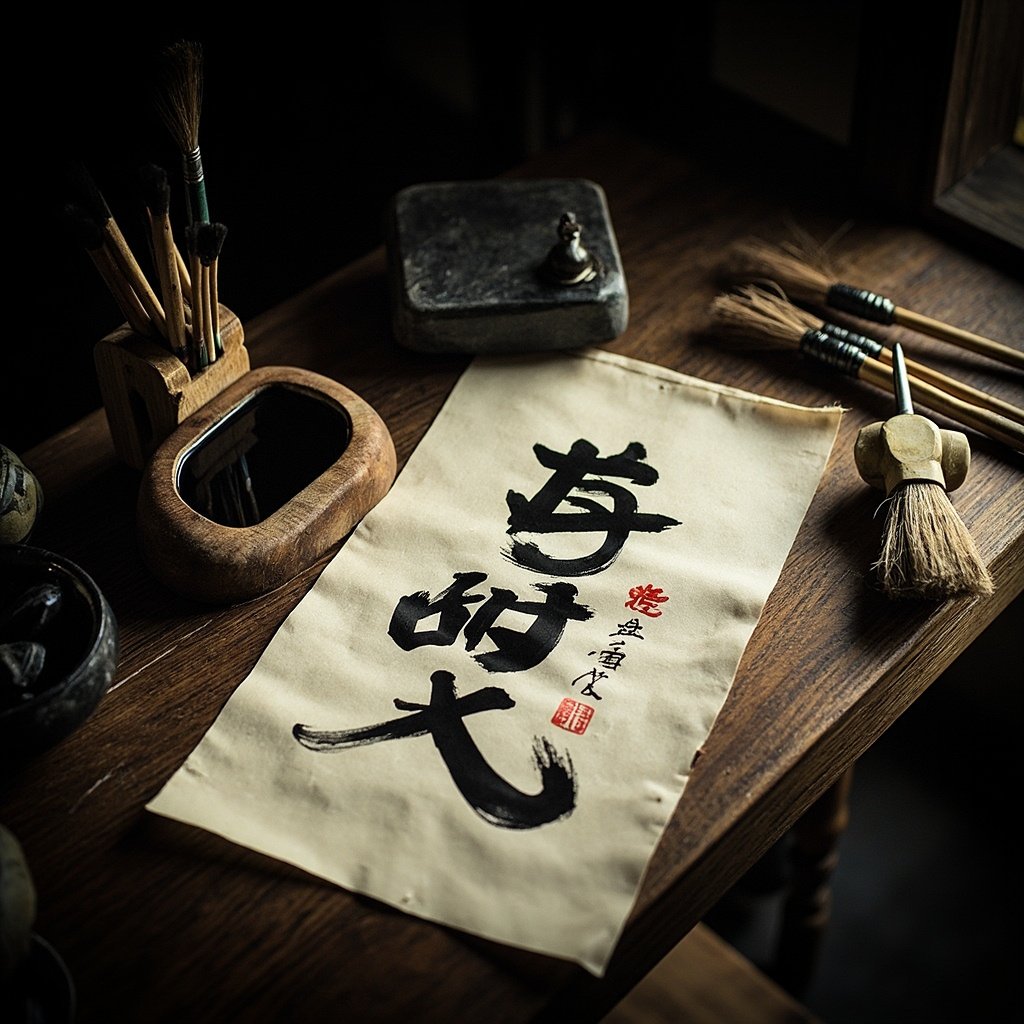
Traditional Chinese calligraphy requires four essential tools, known collectively as the “Four Treasures of the Study.” These include the brush, ink, paper, and inkstone. The quality of these tools significantly affects the practitioner’s ability to create satisfying work, and serious calligraphers invest considerable effort in selecting and maintaining high-quality instruments.
The writing brush, typically made from animal hair bound to a bamboo handle, comes in various sizes and stiffness levels. Different brushes suit different writing styles and character sizes. The ink, traditionally ground from inksticks on the inkstone with water, produces a rich black color that distinguishes Chinese calligraphy. The paper, usually made from rice straw or bamboo fibers, absorbs ink differently than Western papers, creating distinctive visual effects. Together, these tools create the physical foundation for calligraphy practice.
The Five Classic Scripts
Chinese calligraphy has evolved through five major historical scripts, each representing distinct periods of development and aesthetic values. Understanding these scripts provides essential context for appreciating calligraphy’s artistic complexity and historical depth.
Seal Script, the earliest formal script, developed during the Qin Dynasty and served as the standard writing system for official documents. Its dignified, symmetrical characters display a timeless elegance that continues inspiring contemporary designers. Official Script emerged during the Han Dynasty, introducing the characteristic brush strokes that define Chinese characters today. This script’s balance of structure and spontaneity makes it ideal for beginners learning fundamental techniques.
Cursive Script, also called grass script, emphasizes speed and fluidity of movement, creating characters that flow across the page in seemingly spontaneous arrangements. While challenging to read, this script reveals the artist’s emotional state and technical mastery. Regular Script, developing from Official Script during the Tang Dynasty, represents the culmination of early script development. Its clear, balanced characters make it the most readable and widely used script for both artistic and practical purposes.
Running Script, or semi-cursive script, balances the speed of Cursive Script with the legibility of Regular Script, making it popular for both artistic and everyday writing. Most contemporary calligraphy practice focuses on Regular and Running Scripts, as they offer the best combination of artistic expression and practical application.
Basic Strokes and Techniques
All Chinese characters, regardless of script, derive from eight fundamental brush strokes. These basic movements include the dot, horizontal, vertical, hook, left-falling, right-falling, and two types of turning strokes. Mastering these fundamental strokes provides the foundation for writing all Chinese characters and developing personal style.
The execution of each stroke involves specific techniques regarding brush angle, pressure, speed, and direction. Proper brush handling requires holding the brush vertically at approximately 45 degrees, allowing natural flow of ink through controlled hand movements. The stroke’s beginning, middle, and end each require attention to produce clean, expressive marks that capture the essence of the character.
Stroke order represents another crucial aspect of calligraphy technique. Characters must be written in specific sequences that ensure proper balance and structure. Incorrect stroke order disrupts the natural flow of the brush and compromises the character’s aesthetic harmony. Traditional teaching methods emphasize stroke order as fundamental to developing proper habits and muscle memory.
Character Structure and Composition
Chinese characters must balance internal components harmoniously within defined spaces. Characters with multiple elements require careful attention to proportion and positioning to achieve visual equilibrium. The relationship between thick and thin strokes, enclosed and enclosing elements, and horizontal and vertical lines determines the character’s overall aesthetic quality.
Effective composition extends beyond individual characters to entire pieces of calligraphy. The positioning of characters on the page, the rhythm of line breaks, and the relationship between empty and filled spaces all contribute to the work’s visual impact. Traditional calligraphy scrolls, hangings, and couplets follow specific formatting conventions that have developed over centuries of artistic refinement.
Learning Resources and Practice Methods
Contemporary learners can access numerous resources for developing calligraphy skills. Online tutorials, video courses, and instructional books provide guidance for beginners learning basic techniques. Local community centers, cultural organizations, and universities often offer in-person classes taught by experienced instructors who can provide personalized feedback and guidance.
Practice books with character grids help beginners develop consistent stroke sizes and proper positioning. These gridded sheets provide visual reference points for maintaining character proportions and spacing. Daily practice, even in small increments, proves more effective than occasional intensive sessions for developing muscle memory and technical proficiency.
Modern Applications
Contemporary calligraphers blend traditional techniques with modern expressions, creating innovative works that extend the art form into new territories. Street calligraphy, digital art incorporating calligraphic elements, and experimental approaches using non-traditional materials expand the definition of what calligraphy can be while respecting traditional foundations.
Chinese calligraphy continues influencing visual design, advertising, and branding throughout East Asia. The aesthetic principles of calligraphic composition inform everything from logo design to architectural planning, demonstrating the art form’s continued relevance in modern visual culture.
Visiting Calligraphy Museums and Collections
Major museums in Beijing, Shanghai, Hangzhou, and other Chinese cities house exceptional calligraphy collections that provide inspiration and education for practitioners and enthusiasts. The Palace Museum in Beijing displays imperial calligraphy from various dynasties, while the Zhejiang Museum’s collections showcase exceptional examples of calligraphy from different periods. These institutions offer opportunities to study masterworks directly and understand calligraphy’s historical development.
Collecting Calligraphy
Both antique and contemporary calligraphy pieces make meaningful additions to collections. Auction houses regularly feature calligraphy works, with prices for masterworks from famous calligraphers reaching into millions of dollars. For those beginning collections, contemporary works by accomplished living calligraphers offer more accessible entry points while still representing significant artistic achievement.
Conclusion
Chinese calligraphy offers practitioners a unique combination of artistic expression, meditation practice, and cultural connection. Learning basic techniques provides lasting appreciation for this elegant art form while developing skills that enhance concentration, patience, and attention to detail. Whether pursuing calligraphy as a serious artistic practice or simply exploring its cultural significance, beginners find rewarding experiences that connect them to thousands of years of Chinese artistic achievement.
The journey of learning calligraphy rewards patience and dedication with deepening appreciation for Chinese culture and aesthetic principles. Each character practiced builds upon previous ones, gradually transforming fumbling attempts into confident expressions of beautiful form. This transformative journey continues attracting practitioners from around the world, ensuring that Chinese calligraphy remains a living art form connecting past and present through the simple act of brush meeting paper.