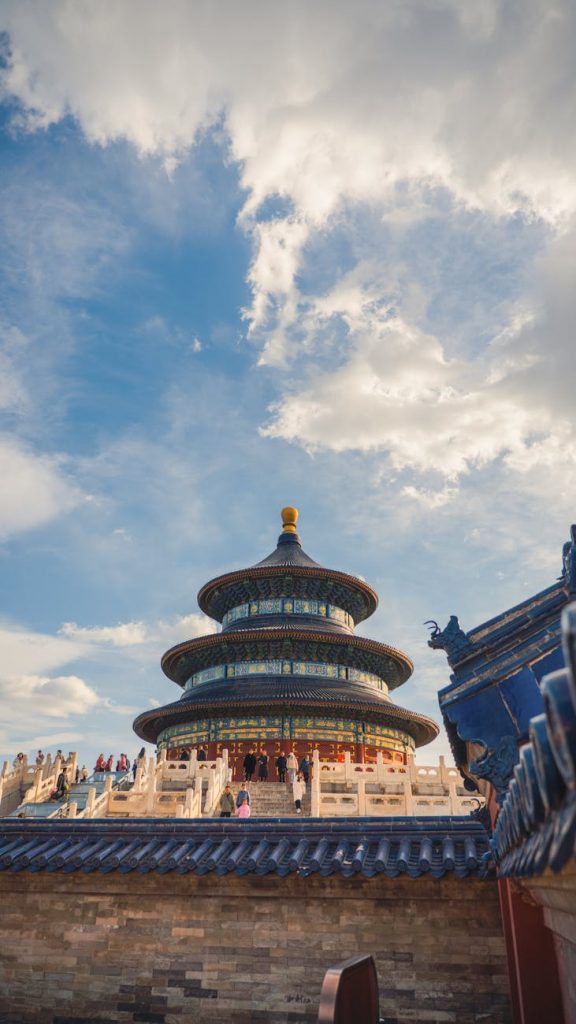
Chinese New Year, also called Spring Festival or Chun Jie, stands as the most important traditional celebration in Chinese culture. This magnificent festival marks the beginning of the lunar new year and is celebrated by billions of people around the world. The festivities typically last for 15 days, culminating in the Lantern Festival, creating an extraordinary period of family reunion, cultural preservation, and national pride that showcases the very best of Chinese traditions.
The significance of Chinese New Year extends far beyond mere celebration. It represents a sacred time when families honor their ancestors, strengthen family bonds, and express hopes for prosperity and good fortune in the coming year. The scale of migration during this period, known as the largest annual human movement on Earth, demonstrates the profound cultural importance of returning home for the reunion dinner on New Year’s Eve.
The Legend Behind Chinese New Year
According to Chinese mythology, Chinese New Year originated from a battle against a mythical beast called Nian. Legend tells us that Nian would appear at the end of each year to devour villagers, especially children. However, the villagers discovered that the beast was afraid of the color red and loud noises. From that point forward, people began decorating their homes with red decorations and setting off firecrackers to ward off the beast. This legend gives rise to many traditional customs associated with the festival, including wearing red, hanging red lanterns, and setting off fireworks.
The cultural significance of these traditions has evolved over thousands of years, transforming from protective rituals into cherished customs that define Chinese identity. Today, these practices connect modern Chinese people to their ancient ancestors, creating a continuous thread of cultural heritage that spans generations.
Preparations Before New Year
The preparations for Chinese New Year begin weeks in advance, with thorough house cleaning representing one of the most important rituals. Families clean their homes from top to bottom, sweeping away bad luck and making room for good fortune to enter. This practice, known as “da sao,” reflects the Chinese philosophy of welcoming new beginnings with a clean slate and pure intentions.
During this preparation period, families purchase new clothes, especially for children, and buy abundant food supplies for the elaborate reunion dinner. Markets overflow with traditional goods including red couplets, paper cuttings, festive decorations, and special foods that define the season. The atmosphere in Chinese communities becomes electric with anticipation and excitement as the date approaches.
The Reunion Dinner
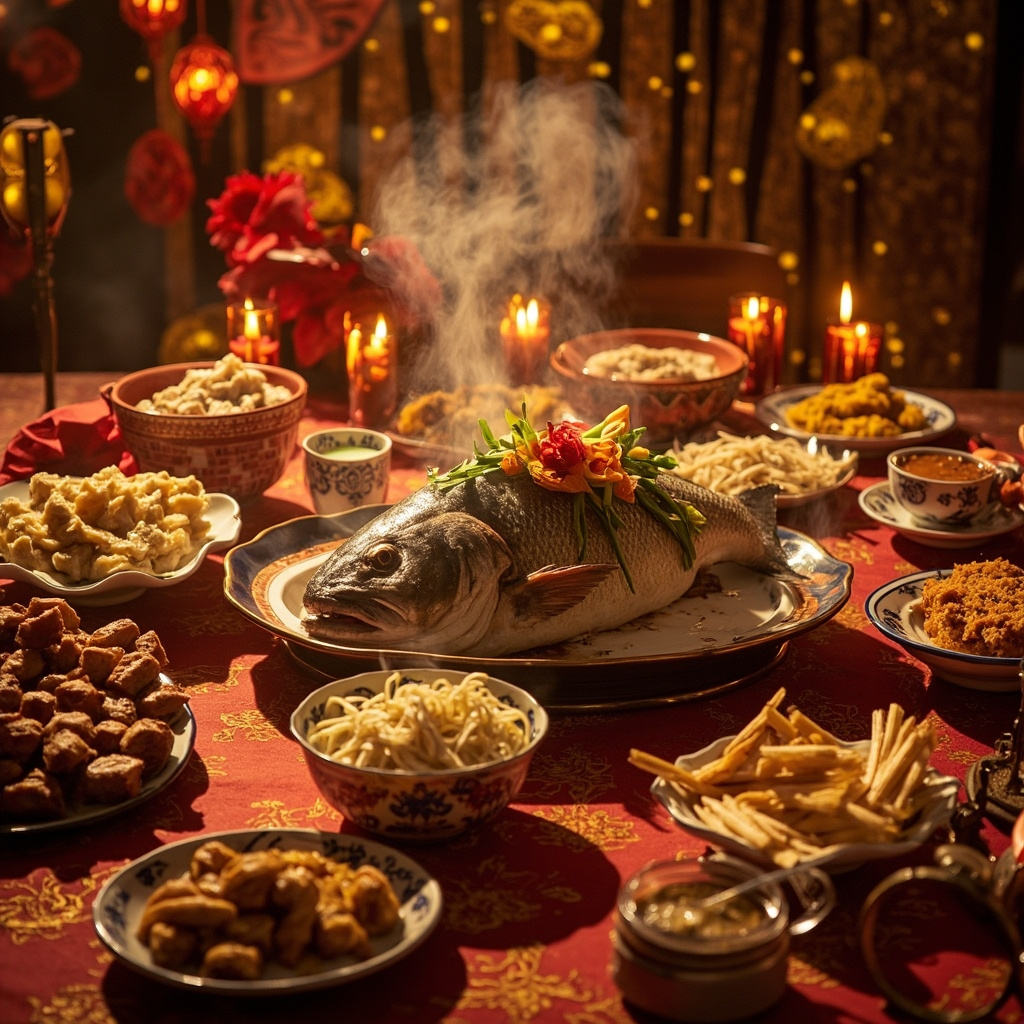
The reunion dinner on New Year’s Eve represents the most important meal of the year for Chinese families. This elaborate feast brings together multiple generations of family members, often spanning three or more generations, around a beautifully set table laden with symbolic dishes. The meal typically features multiple courses, each carrying deep cultural meaning and philosophical significance.
Fish inevitably appears on every reunion dinner table, symbolizing abundance and prosperity. The Chinese word for fish, “yu,” sounds like the word for surplus, expressing wishes for a year of abundance in every sense. Dumplings, shaped like ancient gold ingots, represent wealth and fortune. Whole chicken symbolizes family wholeness and completeness, while sweets and candies represent a sweet life ahead.
Red Envelopes and Gift-Giving
The tradition of giving red envelopes, or hongbao, represents one of the most beloved aspects of Chinese New Year. Elders give red envelopes containing money to children and unmarried adults, symbolizing the transfer of blessings and good wishes for the new year. The red color of the envelope represents good luck and wards off evil spirits, while the money inside signifies prosperity and good fortune.
In modern times, the tradition has evolved with digital red envelopes becoming increasingly popular through mobile payment applications. However, the fundamental meaning remains unchanged: sharing blessings and strengthening family bonds through generous gift-giving that expresses care and affection.
Festive Activities and Entertainment
During the fifteen days of Chinese New Year celebrations, various traditional activities fill the streets with color and excitement. Dragon and lion dances perform in communities and businesses throughout China, believed to bring good luck and ward off evil spirits. The rhythmic drumming, cymbals, and fireworks create a cacophony of sound that transforms ordinary streets into spectacular stages of cultural performance.
Temple fairs, particularly famous in Beijing and other major cities, offer traditional games, performances, local snacks, and cultural demonstrations. These fairs preserve folk traditions and provide entertainment for families enjoying their time off during the holiday period. Visitors can experience traditional crafts, watch folk performances, and sample authentic local foods that define regional identities.
Regional Variations
While Chinese New Year traditions are shared across China, regional variations add fascinating diversity to the celebrations. Southern families traditionally prepare sweet rice cakes, or nian gao, which symbolize growth and progress. Northern families often emphasize elaborate dumpling preparations, with some families making thousands of dumplings to enjoy throughout the holiday. Each region’s unique customs reflect local history, climate, and cultural influences.
In southern China, flowers play a significant role in celebrations, with orange trees symbolizing good fortune and prosperity. In northern regions, the emphasis on wheat-based foods reflects the region’s agricultural heritage. These regional differences create a rich tapestry of celebration styles that showcase China’s remarkable cultural diversity.
Modern Celebrations
Today’s Chinese New Year celebrations blend ancient traditions with modern conveniences. The CCTV New Year’s Gala, first broadcast in 1983, has become a beloved family viewing tradition watched by hundreds of millions across China and worldwide. This variety show features performances by China’s top entertainers, creating shared cultural moments that unite Chinese communities globally.
Modern technology has transformed how people celebrate and connect during the holiday. Video calls allow family members separated by great distances to participate in reunion dinners virtually. Social media platforms overflow with New Year greetings, photos, and videos, creating digital celebrations that complement traditional observances.
Conclusion
Chinese New Year offers extraordinary cultural experiences that illuminate the depth and richness of Chinese heritage. For travelers visiting China during this period, the opportunity to witness authentic traditions provides unforgettable insights into Chinese culture and values. The warmth of family gatherings, the spectacle of traditional performances, and the symbolic significance of every custom combine to create celebrations that have captivated the world for millennia.
Whether participating in temple fair activities, enjoying traditional foods, or witnessing spectacular fireworks displays, Chinese New Year provides windows into Chinese soul that no other experience can match. This beloved festival continues evolving while preserving its essential character as a time of family reunion, cultural pride, and hopeful celebration of new beginnings.