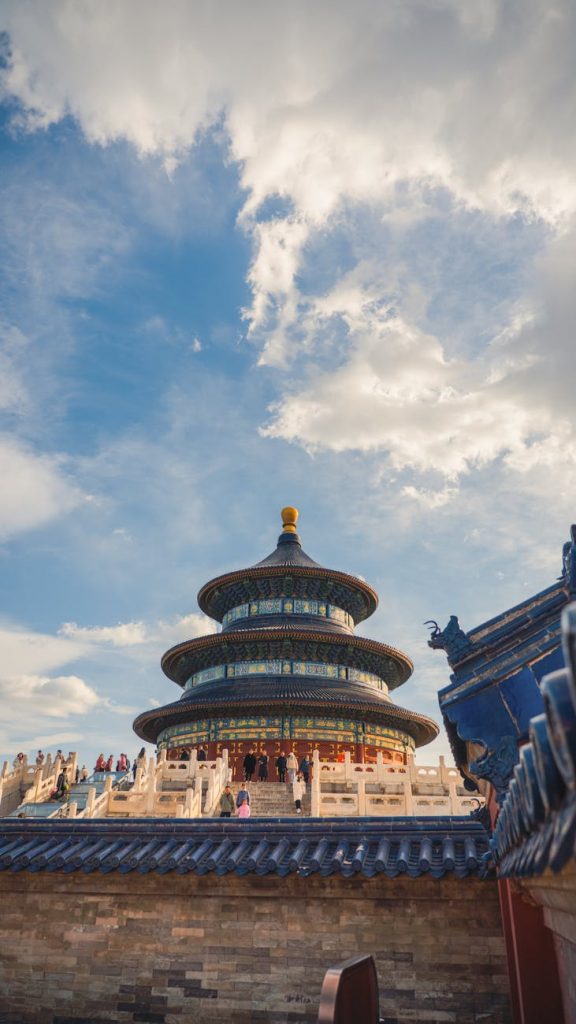
Chinese wedding traditions blend ancient customs with modern celebrations, creating spectacular events that honor family values and cultural heritage.
Traditional Matchmaking
Historically, families arranged marriages through matchmakers who ensured family compatibility. Modern couples typically choose partners freely but may still consult traditional practices.
Engagement Ceremonies
Formal engagements involve gift exchanges between families. Dragon and phoenix pastries, tea ceremonies, and jewelry presentations symbolize commitment.
Wedding Date Selection
Many couples consult lunar calendars and fortune tellers for auspicious wedding dates. This tradition ensures positive beginnings for new families.
The Bridal Tea Ceremony
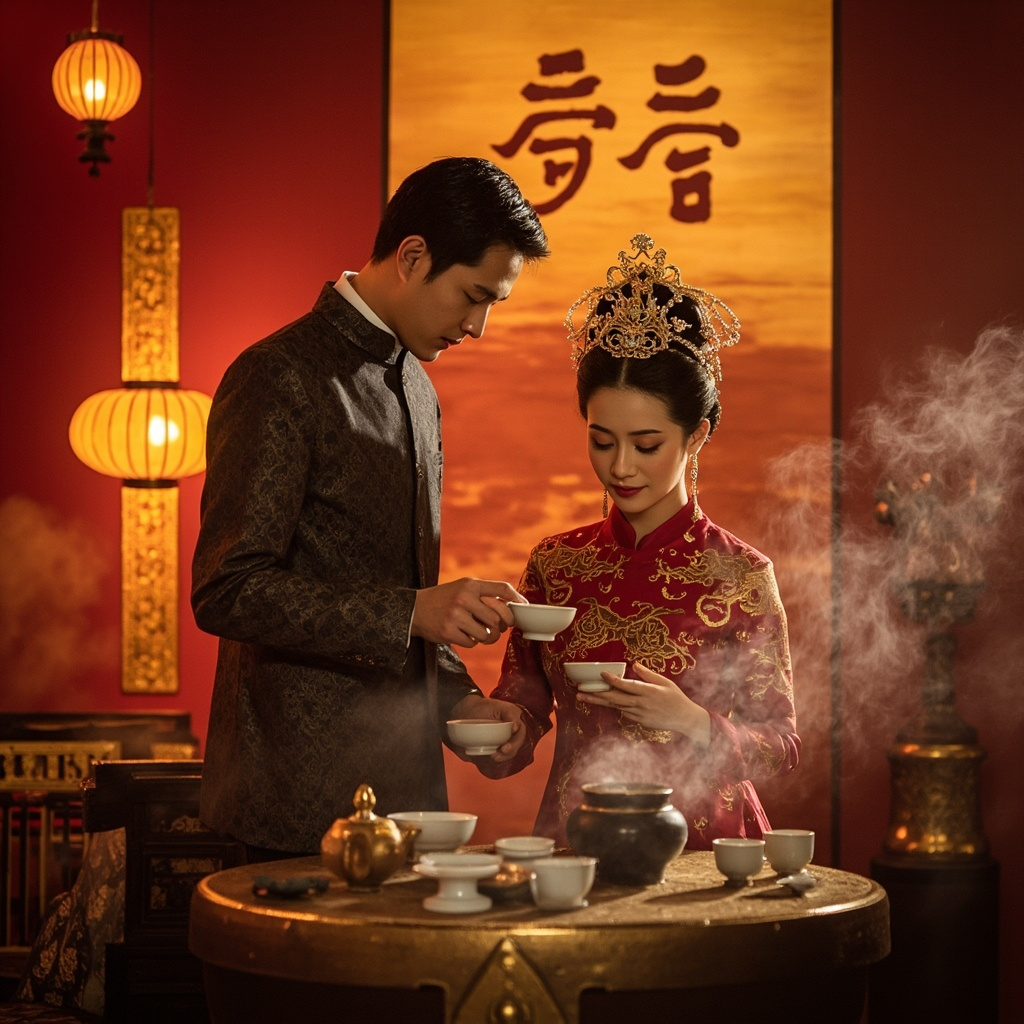
On wedding day, brides serve tea to elders while receiving red envelopes. This ceremony honors family ties and shows respect for ancestors.
Grand Wedding Banquets
Extravagant banquets feature multiple courses celebrating abundance. Each dish carries symbolic meaning for happiness and prosperity.
Wedding Banquet Courses
Traditional banquets include eight courses representing prosperity. Whole fish symbolizes abundance, while dumplings represent wealth.
Modern Wedding Trends
Contemporary weddings blend traditional elements with Western influences. Beach ceremonies and destination weddings expand options for couples.
Regional Variations
Different provinces maintain unique wedding customs. Cantonese weddings emphasize double happiness symbols, while northern weddings feature elaborate processions.
Honeymoon Traditions
Modern couples take honeymoons to scenic destinations. Traditional customs focus on returning to family homes for first-month celebrations.
Conclusion
Chinese wedding traditions beautifully preserve cultural heritage. Attending traditional weddings provides intimate cultural experiences for visitors.