
Tea drinking in China transcends mere refreshment to encompass philosophy, art, and social customs. Chinese tea culture represents thousands of years of refined appreciation for this beloved beverage.
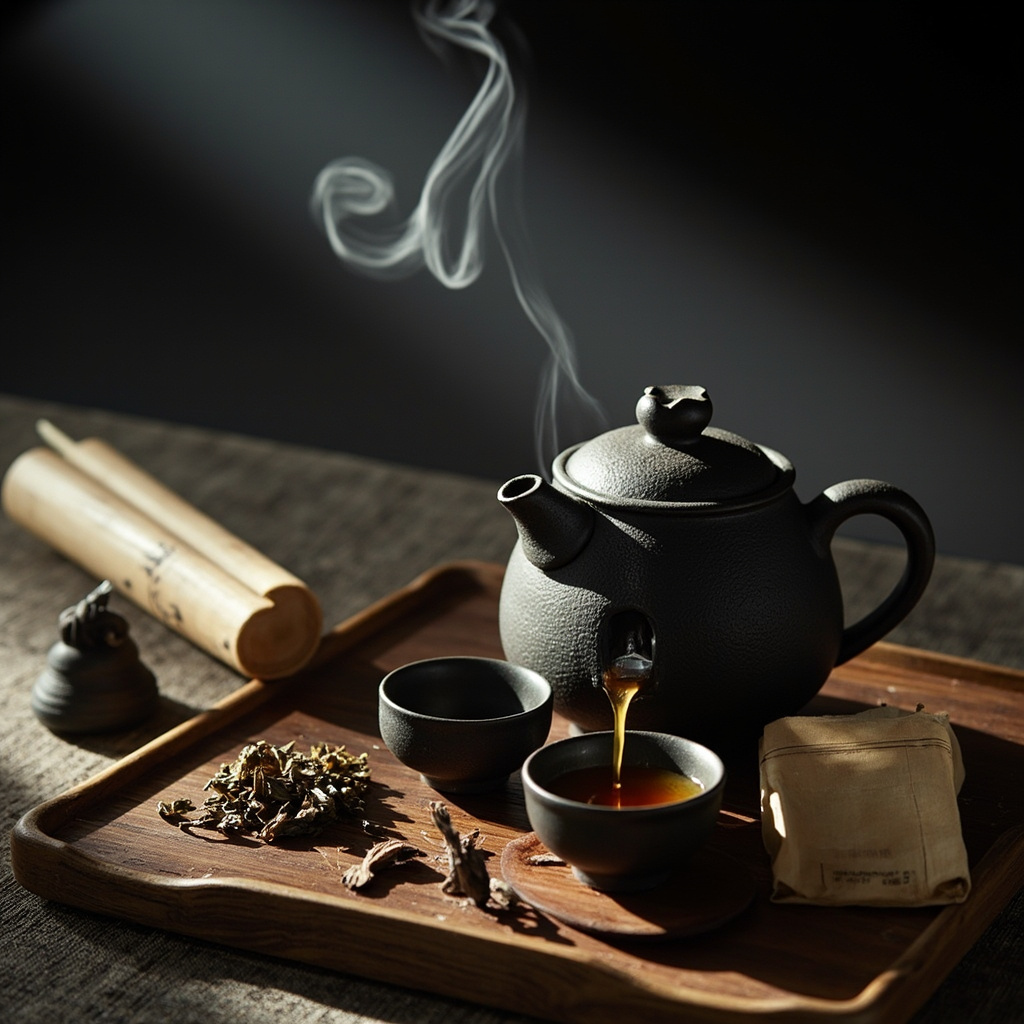
Six Famous Teas
China produces six main tea types: green, yellow, white, oolong, dark, and red. Each type offers distinct characteristics and brewing requirements.
Green Tea Traditions
Longjing (Dragon Well) from Hangzhou represents the most famous green tea. Its flat leaves produce sweet, mellow flavors when properly brewed.
Teapot Varieties
Yixing clay teapots from Jiangsu province enhance tea flavors through years of use. Each pot develops unique characteristics reflecting brewed teas.
Tea Ceremony Elements
Gongfu cha ceremony involves precise water temperature, timing, and multiple short infusions. This elaborate preparation maximizes tea appreciation.
Tea House Culture
Traditional tea houses serve as social gathering places for friends and business associates. Modern tea houses blend traditional practices with contemporary atmospheres.
Famous Tea Regions
Hangzhou, Fujian, Yunnan, and Yunnan provinces produce the most prized teas. Tea tourism allows visitors to tour plantations and participate in processing.
Health Benefits
Modern research confirms traditional beliefs about tea’s health benefits. Antioxidants and compounds in tea support overall wellness.
Tea Shopping Destinations
Beijing’s Maliandao Road and Hangzhou’s Longjing village offer exceptional tea shopping experiences with tasting opportunities.
Bringing Tea Home
Quality loose-leaf teas make meaningful souvenirs. Proper storage maintains freshness during travel home and beyond.
Learning Tea Skills
Tea appreciation classes teach brewing techniques and tasting methods. These experiences deepen understanding of Chinese tea culture.
Conclusion
Chinese tea culture offers meditative practices and social connections. Exploring tea traditions enriches understanding of Chinese daily life.