Peking Opera represents one of China’s most treasured performing arts, combining singing, speaking, acting, and martial arts in spectacular theatrical performances.
Origins and Development
Emerging in Beijing during the 18th century, Peking Opera absorbed techniques from Anhui and Hubei opera traditions. It became court entertainment before spreading to common audiences.
Four Main Skills
Performances showcase singing, speaking, acting, and combat skills. Master performers train for decades to excel in each discipline.
Symbolic Face Paintings
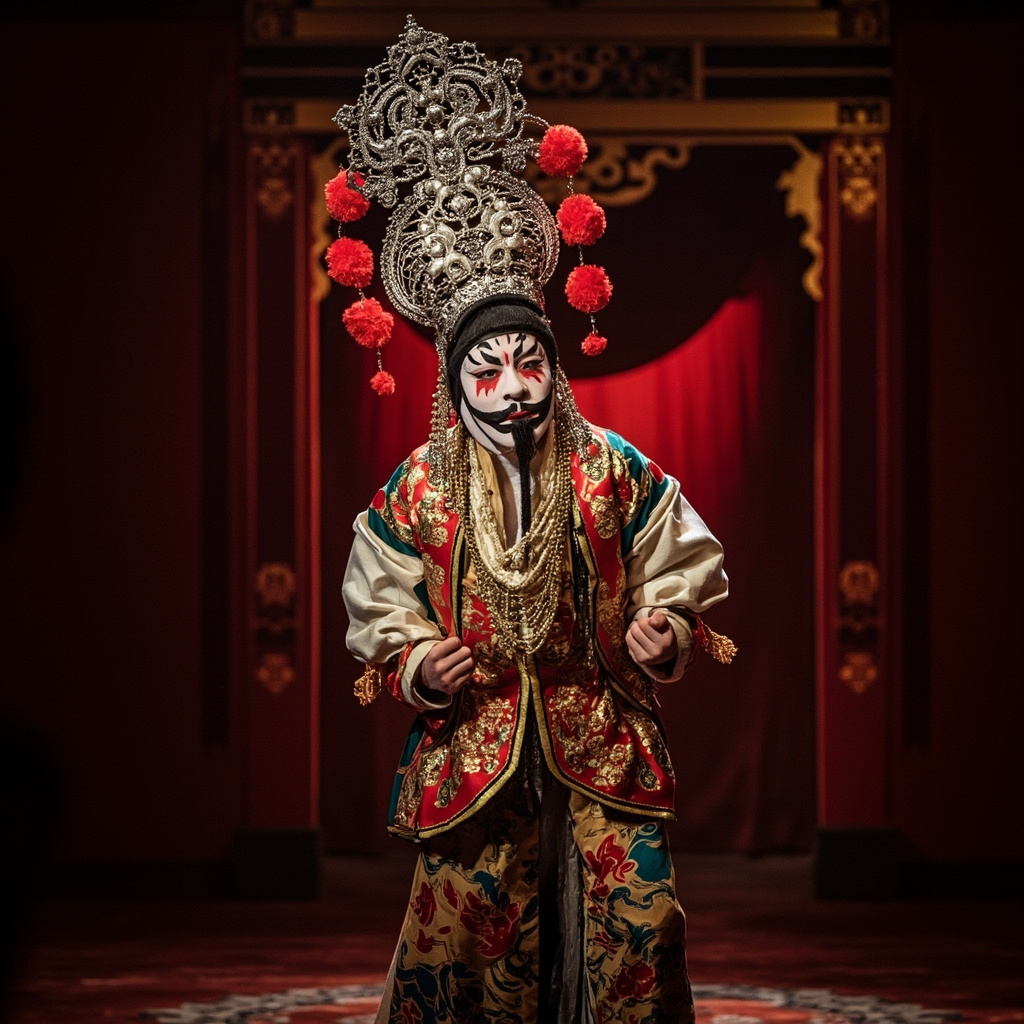
Distinctive face paints reveal character traits without dialogue. Red indicates loyalty, white suggests treachery, black represents integrity.
Costume Significance
Elaborate costumes follow strict rules based on character type and status. Colors, patterns, and accessories communicate roles and emotions.
Musical Elements
Wuzi instruments and melodic singing create distinctive soundscapes. Performances feature clapper accompanyment and string instruments.
Classic Performances
Famous operas include “The Legend of the White Snake” and “The Drunken Concubine.” These stories draw audiences from Chinese opera repertoire spanning centuries.
Watching Performances
Beijing’s Lao She Teahouse and National Centre for the Performing Arts offer regular performances for tourists and locals alike.
Modern Adaptations
Contemporary artists blend Peking Opera elements with modern theater and film. These innovative works introduce traditional art to new audiences.
Conclusion
Peking Opera rewards attentive viewers with rich cultural experiences. Understanding basic conventions enhances appreciation for this theatrical art form.