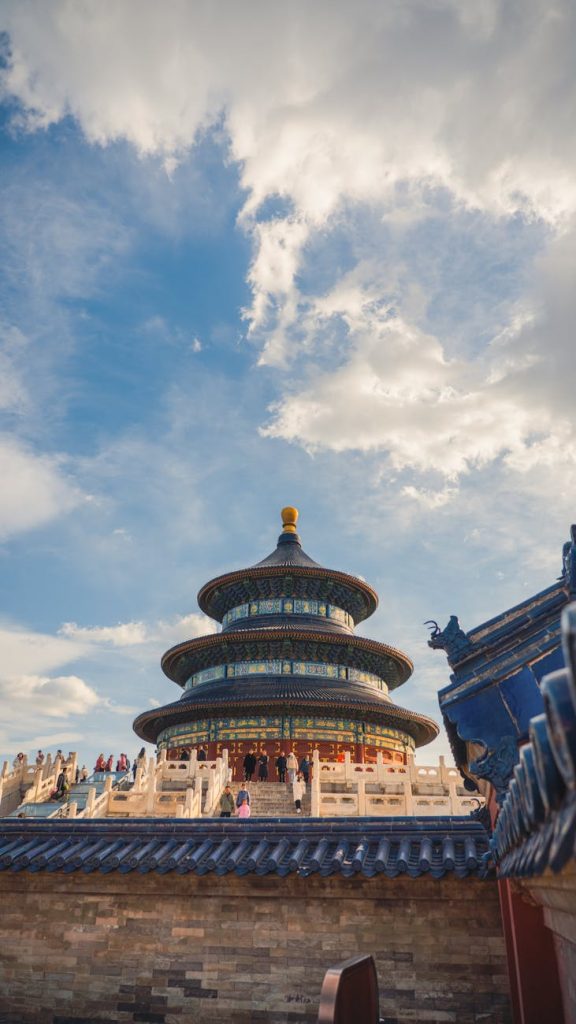
Chinese calligraphy represents one of the most elegant artistic traditions in human history. This ancient art form transforms writing into visual expression, combining beauty of form with meaning of characters.
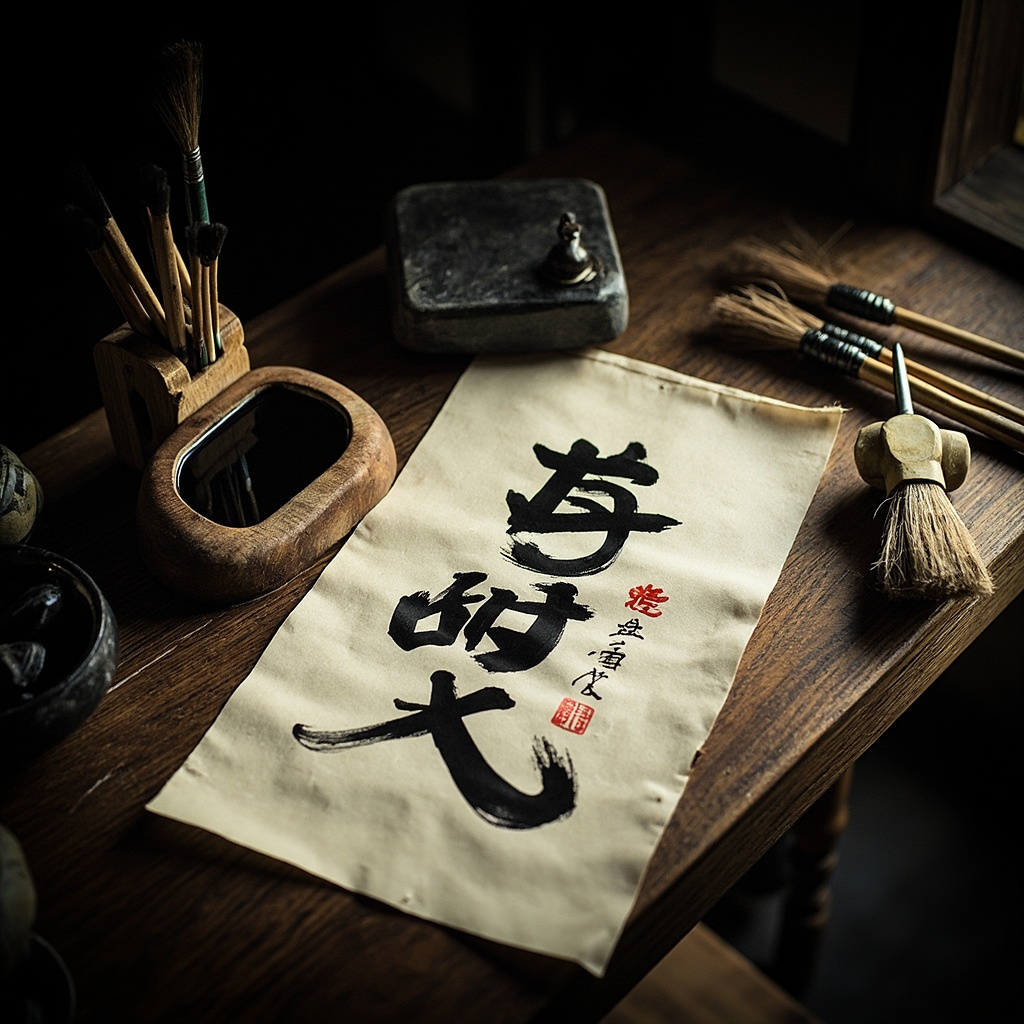
Four Treasures of the Study
Traditional calligraphy requires brush, ink, paper, and inkstone. Quality of these Four Treasures significantly affects practice results.
Five Classic Scripts
Calligraphy evolved through five major styles: Seal Script, Official Script, Cursive Script, Regular Script, and Running Script. Each style offers unique characteristics and challenges.
Basic Strokes
All Chinese characters derive from eight fundamental strokes. Mastering these strokes provides foundation for all writing styles.
These basic movements include dot, horizontal, vertical, hook, and sweeping strokes that combine in endless variations.
Character Structure
Characters must balance components harmoniously. Stroke order matters for achieving natural flow and proper character formation.
Learning Resources
Online tutorials and local classes help beginners develop skills. Practice books provide character grids for stroke practice.
Modern Applications
Contemporary calligraphers blend traditional techniques with modern expressions. Street calligraphy and digital art expand this ancient art form.
Visiting Calligraphy Museums
Beijing’s Capital Museum and Hangzhou’s China National Silk Museum feature exceptional calligraphy collections. These museums provide inspiration for practitioners.
Collecting Calligraphy
Antique and contemporary calligraphy pieces make meaningful souvenirs. Markets in Beijing and Shanghai offer various price ranges.
Conclusion
Chinese calligraphy offers meditative practice and artistic expression. Learning basic techniques provides lasting appreciation for this elegant art form.