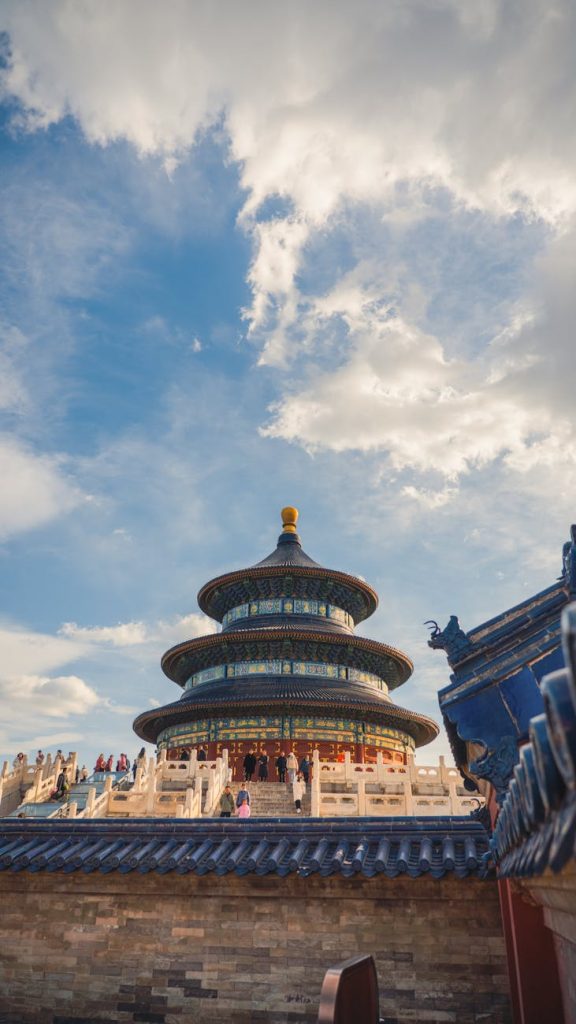
Chinese New Year, also called Spring Festival, is the most important traditional celebration in Chinese culture. Families gather for reunion dinners, exchange red envelopes, and enjoy spectacular fireworks displays nationwide. This guide explores the customs, foods, and traditions of this beloved festival.
Festival Preparations
Families clean their homes thoroughly before New Year to sweep away bad luck. They purchase new clothes, decorations, and special foods. Markets overflow with traditional goods including couplets, paper cuttings, and festive foods.
New Year’s Eve Dinner
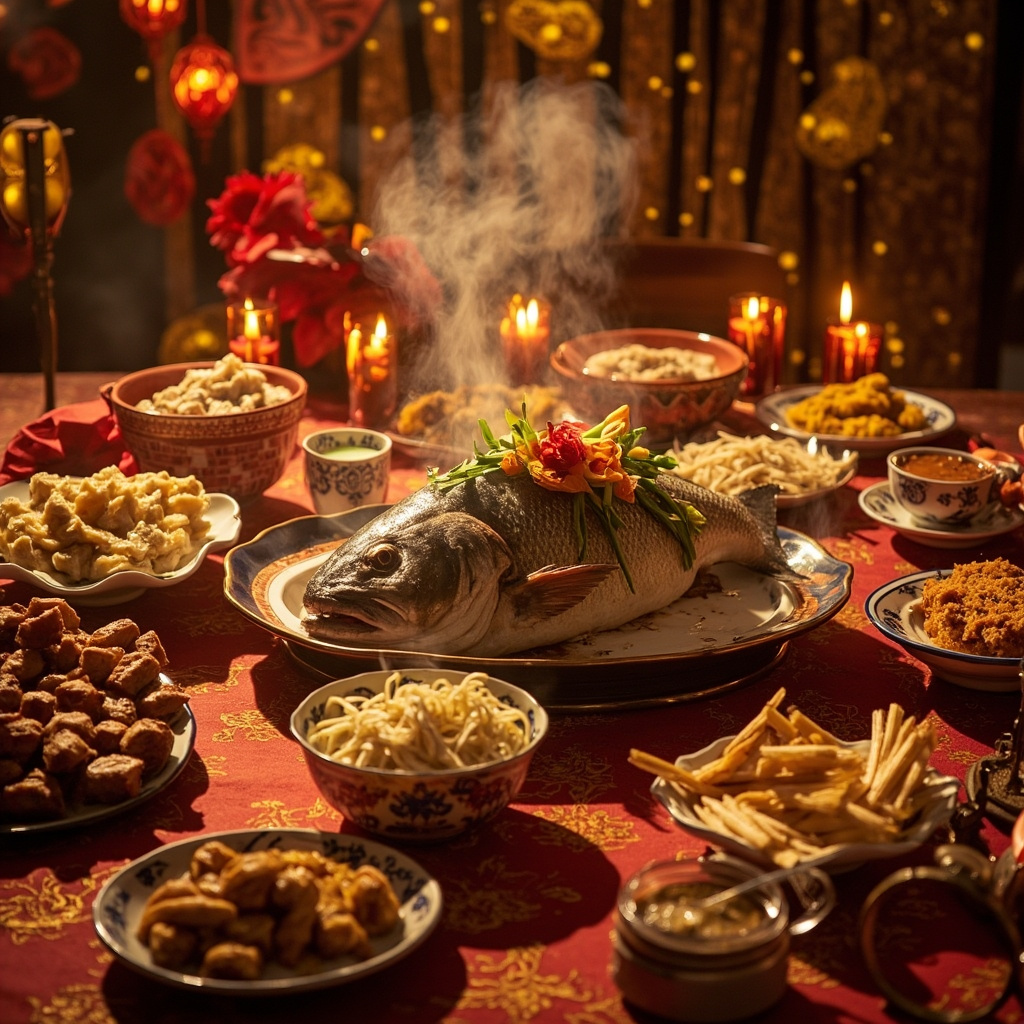
The reunion dinner on New Year’s Eve brings extended families together for elaborate feasts. Dishes symbolize good fortune: fish represents abundance, dumplings symbolize wealth, and noodles represent longevity.
Red Envelopes
Elders give red envelopes containing money to children and unmarried adults. These gifts symbolize good wishes and luck for the coming year.
Festive Foods
Traditional foods include dumplings shaped like ancient gold ingots, whole fish for prosperity, and sweet rice balls for family unity. Each dish carries symbolic meaning for health, wealth, and happiness.
Lion and Dragon Dances
Colorful lion dances and dragon performances fill streets during celebrations. These dynamic dances ward off evil spirits and bring good luck to businesses and homes.
Festival Activities
Temple fairs offer traditional games, performances, and local specialties. Families visit temples to pray for blessings in the coming year.
Modern Celebrations
Today, Spring Festival combines ancient traditions with modern celebrations. CCTV’s New Year’s Gala has become a beloved family viewing tradition since 1983.
Regional Variations
Different regions celebrate with unique customs. Southern families make sweet rice cakes, while northern families prepare elaborate dumplings. Each tradition reflects local culture.
Conclusion
Chinese New Year offers extraordinary cultural experiences. Visiting China during this period provides unforgettable encounters with authentic traditions.