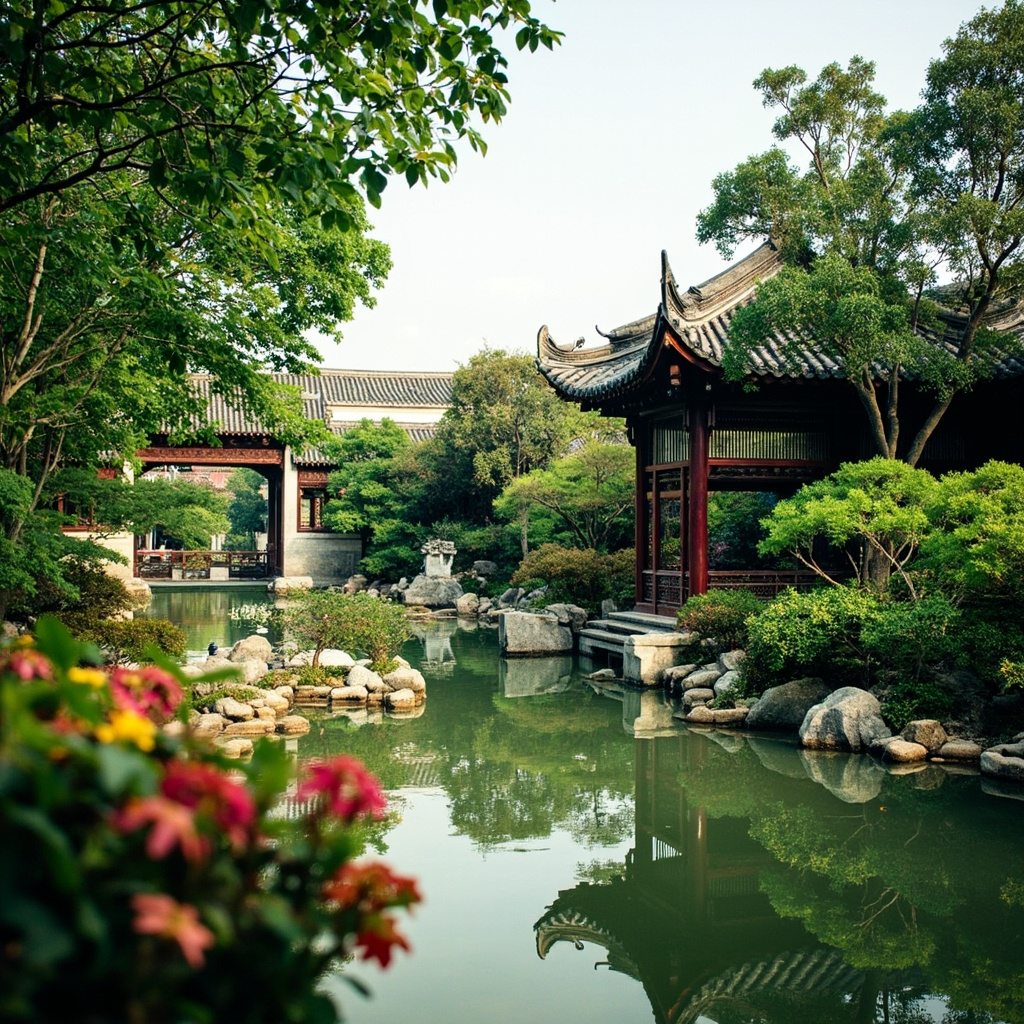
Suzhou Classical Gardens: Masterpieces of Chinese Landscape Design
When travelers think of China’s most refined artistic achievements, the Suzhou Classical Gardens inevitably come to mind. Scattered throughout the ancient city of Suzhou, these UNESCO‑World‑Heritage‑listed gardens are living galleries where architecture, poetry, painting, and horticulture converge. Each garden tells a story of scholarly ambition, imperial patronage, and a deep reverence for nature. Whether you are a history buff, an architecture lover, or simply seeking a tranquil escape, the Suzhou Classical Gardens offer a window into centuries of Chinese aesthetic philosophy.
The Rich History of Suzhou’s Garden Tradition
Suzhou’s love affair with garden design stretches back to the Tang (618–907) and Song (960–1279) dynasties, when scholars and officials began creating private retreats inspired by the idealized landscapes found in classical poetry and painting. The city’s abundant waterways, fertile soil, and mild climate made it an ideal canvas for such projects. By the Ming (1368–1644) and Qing (1644–1911) dynasties, the garden‑building movement reached its zenith, producing dozens of masterpieces that were often commissioned by wealthy merchants, retired officials, and members of the imperial court.
The gardens were more than decorative retreats; they served as venues for literary gatherings, musical performances, and philosophical debate. The “Four Great Classical Gardens of Suzhou” – Humble Administrator’s Garden, Lingering Garden, Master of Nets Garden, and Lion Grove Garden – were each granted UNESCO status in 1997 and 2000, cementing their global reputation as paragons of Chinese garden art.
Garden Design Principles: The Soul of the Landscape
At the heart of every Suzhou garden lies a set of design principles that have been refined over centuries:
- Borrowed Scenery (Jiejing): Designers incorporate surrounding elements—distant hills, city walls, or river views—into the garden’s composition, creating an illusion of expanded space.
- Framing and Layering: Windows, doorways, and pavilions are positioned to frame vistas like a scroll painting, guiding the viewer’s eye through a series of layered scenes.
- Water as the Central Axis: Ponds, streams, and artificial lakes dominate many gardens, reflecting sky and architecture and providing a cooling micro‑climate.
- Rock and Plant Palette: Carefully placed rockeries, often sourced from Lake Tai, mimic natural mountain formations, while meticulously pruned trees, shrubs, and bamboo add seasonal color.
- Integration of Poetry and Calligraphy: Inscriptions on plaques, couplets on pillars, and stone tablets embed literary references, turning each garden into a “living poem.”
These principles work together to evoke a sense of harmony, tranquility, and timelessness—a philosophy known in Chinese as “Tian Yuan Di Fang,” or “the unity of heaven and humanity.”
Lingering Garden (Liu Yuan): A Masterclass in Elegance
Covering roughly 2.3 hectares, Lingering Garden is celebrated for its sophisticated layout and artistic detail. The garden is divided into three main sections: the central area with the main hall, the eastern residential quarter, and the western garden with its famous “rockery mountain.” The centerpiece is the Eighteen Arhats Hall, where intricate carvings depict Buddhist figures in lifelike poses.
Visitors often pause at the Moon‑lit Pavilion, which captures the reflection of the moon on a tranquil pond—a perfect example of borrowed scenery. The garden’s winding corridors, open pavilions, and cleverly placed windows make each step a new composition, inviting contemplation and exploration.
Humble Administrator’s Garden (Zhuozheng Yuan): The Largest and Most Representative
Spanning more than 5.2 hectares, the Humble Administrator’s Garden is the largest of the Suzhou Classical Gardens and a textbook illustration of Ming‑Qing garden design. It is organized into three distinct zones: the East, Central, and West sections.
- East Section: Features expansive lawns, a large pond, and the iconic Lotus Pavilion, where summer lotus blossoms create a sea of pink.
- Central Section: Showcases the garden’s most intricate architecture, including the Snow‑Bamboo Hall and the Small Flying Cloud Bridge, which appears to float above the water.
- West Section: Emphasizes rocky hills and a dense forest of pine and cypress, offering a quieter, more intimate atmosphere.
The garden’s name, “Humble Administrator,” reflects the original owner’s modest self‑perception, yet the space radiates grandeur through its masterful use of space, water, and planting.
Master of Nets Garden (Wangshi Yuan): Intimate Simplicity
Despite being the smallest of the four major gardens, Master of Nets Garden packs a remarkable amount of beauty into just 0.6 hectares. Its name references the ancient Chinese belief that a fisherman’s net, when cast, gathers without effort—mirroring the garden’s effortless elegance.
The garden is famed for its “net‑shaped” window latticework, which casts delicate patterns of light across the interior corridors. The central pond is surrounded by a series of small pavilions, each offering a distinct perspective on the water and surrounding plantings. The “Double‑Story Pavilion” is especially popular for photography, as its mirrored reflection on the pond creates a perfect symmetry.
Lion Grove Garden (Shizilin): A Rocky Labyrinth
Created during the Yuan dynasty (1271–1368) and later expanded in the Ming and Qing periods, Lion Grove Garden is instantly recognizable for its spectacular maze of rock formations, said to resemble a pride of lions. The garden’s 9.5‑meter‑high Rock Mountain is constructed from Lake Tai limestone, its crevices and peaks forming a natural puzzle that invites exploration.
Beyond the rocks, the garden features elegant pavilions, a tranquil lotus pond, and a centuries‑old camphor tree that shades the central pathway. The interplay of stone, water, and foliage creates a dramatic contrast, making Lion Grove a favorite subject for Chinese ink paintings.
Pingjiang Road Historic District: Where Gardens Meet Everyday Life
While the gardens themselves are iconic, stepping out onto Pingjiang Road reveals the living canvas that surrounds them. This well‑preserved canal street runs parallel to the ancient Grand Canal, offering a glimpse into the daily rhythms of Suzhou’s past. Traditional shop‑houses, teahouses, and narrow alleyways lead visitors past small courtyards that echo the design principles seen in the larger gardens.
Strolling along Pingjiang Road, you’ll encounter:
– Historic teahouses serving local Longjing tea and fragrant jasmine blends.
– Artisan workshops where paper‑cutting, calligraphy brushes, and jade carving are demonstrated.
– Local snacks such as Suzhou’s famous “squirrel‑shaped mandarin fish” and sweet rice cakes.
The district serves as a natural transition between the scholarly serenity of the gardens and the bustling commerce that has sustained the city for centuries.
Suzhou Silk & Traditional Crafts: The Threads of Culture
No visit to Suzhou would be complete without exploring its world‑renowned silk industry. The city’s canals were historically lined with mulberry farms, whose leaves feed the silkworms that produce the ultra‑fine Suzhou silk. In the historic Silk Museum and local workshops, visitors can observe the entire production process—from cocoon boiling to hand‑weaving on traditional Jacquard looms.
Silk embroidery, or Su Xiu, is another treasure. Artisans spend years mastering the delicate art of stitching intricate designs onto fabric, often depicting garden scenes, birds, and classical motifs. These embroidered panels frequently adorn the interiors of the classical gardens, reinforcing the connection between visual art and landscape design.
Practical Travel Tips for Exploring Suzhou Classical Gardens
- Best Time to Visit: Spring (April–May) and autumn (September–October) offer mild temperatures and vibrant flora. Summer can be hot and crowded, while winter provides fewer tourists but limited garden colors.
- Getting There: High‑speed trains from Shanghai Hongqiao take only 25–30 minutes, arriving at Suzhou Railway Station or Suzhou North. The city’s metro and bus network make garden hopping straightforward.
- Ticket Savings: Purchase a combined “Garden Pass” (available at most major sites) that grants access to four or more gardens for a discounted price. Children, seniors, and students with valid IDs enjoy further reductions.
- Timing Your Visit: Gardens open at 8:00 am; arriving early lets you enjoy the peaceful morning light before day‑trippers arrive. Lingering Garden and Humble Administrator’s Garden tend to be busier on weekends.
- Guided Tours vs. Self‑Exploration: A knowledgeable guide can enrich the experience with historical anecdotes and hidden details. However, a self‑paced walk with a good map or a mobile app can be equally rewarding for those who prefer solitude.
- Respectful Behavior: Avoid touching rock formations, stay on designated pathways, and keep noise levels low to preserve the contemplative atmosphere.
- Local Transportation: Renting a bicycle or using the city’s bike‑share program is a pleasant way to traverse the canal‑side streets linking the gardens. Alternatively, traditional water taxis (ferries) offer a scenic shortcut across the canals.
- Eating and Shopping: Sample local dishes like Su Zhou noodles and wonton soup at small eateries near the gardens. For souvenirs, opt for hand‑crafted silk scarves, embroidered fans, or miniature garden models.
- Language: While Mandarin is the official language, many tourist signs are bilingual. Learning a few basic phrases—such as “请问” (excuse me) and “谢谢” (thank you)—is appreciated.
Conclusion
The Suzhou Classical Gardens are more than just pretty parks; they are living embodiments of centuries‑old philosophy, artistry, and social aspiration. From the grand water vistas of the Humble Administrator’s Garden to the intimate stone labyrinth of Lion Grove, each garden invites you to pause, reflect, and experience the world through the eyes of ancient Chinese scholars. Combine your garden tour with a leisurely walk down Pingjiang Road, a silk‑shopping spree, and a taste of Suzhou’s culinary delights, and you’ll leave with a profound appreciation for a city that has masterfully balanced nature and culture for over a millennium.
Whether you spend a single day or a whole week, let the Suzhou Classical Gardens guide you through a timeless landscape where every rock, every pond, and every carefully placed window tells a story waiting to be discovered.