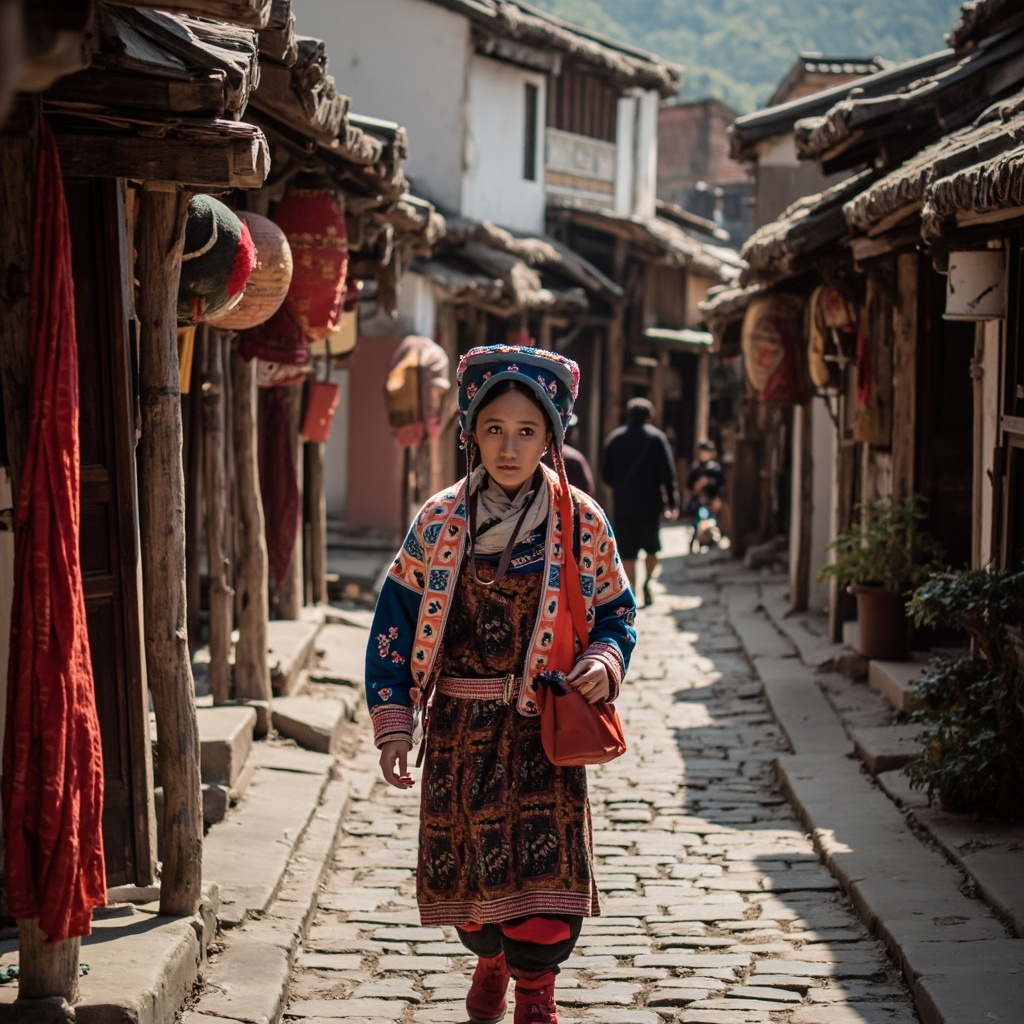
**Lijiang Old Town: Naxi Culture in Yunnan’s Ancient City**
—
### Introduction
When you step into the cobblestone alleys of Lijiang Old Town, you’re stepping into a living museum of China’s ethnic diversity. Nestled at the foot of the soaring Jade Dragon Snow Mountain in Yunnan Province, this UNESCO‑World‑Heritage‑listed town is a window into the world of the Naxi people. With its intricate wooden houses, gentle canals, and the faint echo of traditional Naxi music, Lijiang offers a travel experience that blends history, culture, and natural beauty. This article dives deep into what makes the *Lijiang Old Town Naxi* culture so captivating, while delivering practical travel tips to help you make the most of your visit.
—
## 1. UNESCO World Heritage Status – Why Lijiang Old Town Matters
In 1997, UNESCO recognized Lijiang Old Town as a World Heritage Site, praising its exceptional preservation of a traditional urban settlement. Unlike many Chinese historic districts that have been heavily commercialized, Lijiang retains a harmonious blend of:
– **Ancient architecture** – predominantly timber‑frame houses with tiled roofs, courtyards, and intricate carvings.
– **Water management system** – a network of canals and wells that dates back to the Tang dynasty, still supplying water to residents and adding a soothing soundtrack to the streets.
– **Cultural continuity** – the town remains home to the Naxi community, preserving customs that have been passed down for centuries.
This designation ensures that development is carefully regulated, allowing travelers to experience authentic Naxi life while supporting sustainable tourism.
—
## 2. The Naxi People – Origins, Beliefs, and Daily Life
The Naxi are one of China’s 55 ethnic minorities, numbering roughly 300,000. Their culture is distinguished by:
– **Dongba script** – one of the few living pictographic writing systems in the world, used for religious texts and daily records.
– **Matriarchal influences** – unlike many Chinese societies, the Naxi historically traced lineage through the mother’s line, a legacy still reflected in family structures.
– **Animist traditions** – worship of nature, especially the sacred Jade Dragon Snow Mountain, which is believed to protect the region.
Visitors can observe daily rituals, such as lighting incense at small shrines tucked into alleyways, and see locals wearing traditional indigo‑blue clothing adorned with silver ornaments.
—
## 3. Must‑See Attractions in the Old Town
### 3.1 Mu Palace (Mùfǔ)
The former residence of the Naxi ruler, Mu (木) family, Mu Palace is a grand complex of courtyards and halls that showcase the architectural prowess of the Ming and Qing dynasties. Highlights include:
– **The Main Hall** – with ornate wooden beams and intricate carvings depicting dragons and phoenixes.
– **The “Three‑Ping” Courtyard** – a perfect example of Naxi spatial organization, blending private and public spaces.
– **Views of Jade Dragon Snow Mountain** – on clear mornings, the palace’s eastern wing frames the snow‑capped peak like a living painting.
### 3.2 Black Dragon Pool (Hēilóng Tán)
A serene jade‑green pond set against the backdrop of the mountain, Black Dragon Pool is a spiritual site for the Naxi. The calm waters reflect the surrounding willows and the distant snow, making it an ideal spot for photography and contemplation. According to Naxi legend, the black dragon protects the town’s water supply.
### 3.3 Jade Dragon Snow Mountain (Yùlóng Xueshan)
Though technically outside the old town, the mountain is omnipresent. A cable car ride to the glacier park rewards you with:
– Panoramic vistas of Lijiang Old Town spread below.
– Opportunities to trek the “Yuhua Snow Mountain” trail, a moderate hike suitable for most fitness levels.
– Visits to the “Blue Moon Valley” and “Yosemite‑style” cliffs that have featured in Chinese cinema.
### 3.4 Traditional Naxi Music Performances
One of the most unforgettable experiences in Lijiang is attending a *Naxi ancient music* concert. The Naxi Orchestra, founded in the 1980s, revives classical pieces that date back to the Tang and Song dynasties. Musicians use traditional instruments such as the **pipa**, **guqin**, and **bawu** (a double‑reed instrument). Performances are typically held in the *Dongba Cultural Center* or the *Lijiang Theatre* and last about 90 minutes.
### 3.5 Local Markets – A Feast for the Senses
Wander through the bustling streets to discover:
– **Mufu Night Market** – open every evening, offering street food like *cross‑bridge rice noodles*, *Yunnan ham*, and *roasted chestnut pancakes*.
– **Shangri‑La Market** – specialized in Naxi handicrafts: embroidered bags, hand‑woven textiles, and Dongba script charms.
– **Tuojiang Night Market** – famous for its fresh fruit stalls, especially the sweet *Yunnan pears* and *wild berries*.
—
## 4. Traditional Architecture – What to Look For
Lijiang’s architectural style is a blend of Naxi, Han, and Tibetan influences, resulting in unique features:
| Feature | Description |
|———|————-|
| **Courtyard Layout** | Houses open onto a central courtyard, often with a small fishpond or potted plant, fostering a tranquil indoor‑outdoor flow. |
| **Timber Frame** | Constructed with mortise‑and‑tenon joints, allowing flexibility during earthquakes—critical in a region prone to seismic activity. |
| **Tile & Stone** | Roofs are covered with grey glazed tiles; walls use locally quarried blue‑grey stone, giving the town its characteristic muted hue. |
| **Carved Doors & Windows** | Intricate wood carvings depict mythic beasts, flowers, and scenes from Naxi folklore, each carrying protective symbolism. |
| **Canal Integration** | The canals run beneath the streets, providing irrigation, drainage, and a soothing ambient sound, reminiscent of Venice’s waterways. |
When walking the alleys, keep an eye out for the “Three‑by‑Six” windows, a signature of Naxi homes, which allow natural light while maintaining privacy.
—
## 5. Experiencing Naxi Culture First‑hand
### 5.1 Dongba Script Workshops
Several cultural centers offer short workshops where you can learn basic Dongba pictographs. You’ll craft a small talisman or write your name in this ancient script—a memorable souvenir and a nod to Naxi literacy.
### 5.2 Naxi Clothing & Accessories
Traditional dress, known as *baisha*, consists of a long indigo coat with silver buttons. Many boutiques in the old town sell modern interpretations of these garments, perfect for a cultural photo shoot.
### 5.3 Local Cuisine
Don’t leave Lijiang without tasting:
– **Naxi Hotpot** – a fragrant broth with local mushrooms, yak meat, and fresh greens.
– **Mashed Potato with Chili** – a simple yet flavorful street snack.
– **Yunnan Coffee** – the region’s high‑altitude beans produce a smooth, nutty brew, ideal after a day of sightseeing.
### 5.4 Religious Practices
Visit the *Dongba Temple* to see monks performing rituals and to learn about the Dongba religion—an animist belief system that reveres nature and ancestors.
—
## 6. Practical Travel Tips for Visiting Lijiang Old Town
| Tip | Details |
|—–|———|
| **Best Time to Go** | Late March to early May or September to November for mild weather and clear mountain views. Summer can be rainy; winter is cold but less crowded. |
| **Getting There** | Fly into Lijiang Sanya Airport (LJG), then take a 30‑minute shuttle or taxi to the old town. Alternatively, travel by train from Kunming (about 8–9 hours). |
| **Accommodation** | Opt for a traditional courtyard guesthouse (客栈) for an authentic experience. Popular options include *Lijiang Old Town Courtyard Hotel* and *Naxi Family Inn*. Book early during peak seasons (Chinese holidays). |
| **Transport Inside the Town** | The old town is pedestrian‑only; wear comfortable shoes. Rickshaws and electric carts are available for those with mobility concerns. |
| **Language** | Mandarin is the official language, but many Naxi elders speak the local dialect. Learning a few basic phrases (e.g., “Nǐ hǎo” – Hello) is appreciated. |
| **Currency & Payments** | Cash is still common in small markets; many hotels and restaurants accept Alipay and WeChat Pay. Carry a small amount of yuan for street vendors. |
| **Cultural Etiquette** | Always ask before photographing locals, especially during religious ceremonies. Remove shoes when entering homes or temples. |
| **Health & Safety** | Drink bottled water, apply sunscreen, and stay hydrated. The high altitude (≈2,400 m) can cause mild altitude sickness; take it easy on the first day. |
| **Shopping** | Bargaining is expected at markets. Look for authenticity: hand‑embroidered items, Dongba script calligraphy, and locally sourced tea. |
| **Connectivity** | Free Wi‑Fi is widespread in cafés and hotels. Purchase a local SIM card (China Mobile, China Unicom) for reliable data on the go. |
| **Day Trips** | Consider a side trip to *Shaxi Ancient Town* or *Tiger Leaping Gorge* for additional Yunnan scenery. |
—
## 7. Sample Itinerary – 3 Days in Lijiang
### Day 1: Arrival & Cultural Immersion
– **Morning**: Arrive, check into a courtyard guesthouse.
– **Afternoon**: Stroll through the old town, visit Mu Palace, and capture the view of Jade Dragon Snow Mountain.
– **Evening**: Dine on Naxi hotpot, then attend a traditional Naxi music performance.
### Day 2: Nature & Heritage
– **Morning**: Early rise to Black Dragon Pool at sunrise, then explore the Dongba Cultural Center for a script workshop.
– **Afternoon**: Take the cable car up Jade Dragon Snow Mountain; hike to the glacier viewpoint.
– **Evening**: Explore the night markets for street food and souvenir shopping.
### Day 3: Off‑the‑Beaten‑Path
– **Morning**: Visit a nearby Naxi village (e.g., Baisha) to see ancient murals and interact with locals.
– **Afternoon**: Relax at a tea house, sample Yunnan pu’er tea, and enjoy a leisurely boat ride on the canals.
– **Departure**: Reflect on the journey, perhaps picking up a hand‑woven Naxi textile as a keepsake.
—
## 8. Conclusion – Why Lijiang Old Town Naxi Culture Should Be on Your Bucket List
Lijiang Old Town is more than a picturesque postcard; it’s a living embodiment of the Naxi people’s resilience, artistry, and spiritual depth. From the whispered legends of the Black Dragon Pool to the soaring peaks of Jade Dragon Snow Mountain, every corner tells a story that has been carefully preserved for generations. By exploring Mu Palace’s imperial grandeur, listening to ancient Naxi music, wandering through bustling markets, and respecting the local customs, you’ll gain a profound appreciation for this unique corner of Yunnan.
Whether you’re a history buff, a culture enthusiast, or simply seeking a serene escape, Lijiang offers a tapestry of experiences that are both enriching and unforgettable. Pack your bags, tread softly on the cobblestones, and let the *Lijiang Old Town Naxi* heritage inspire your next adventure.
—
*Enjoy your journey through Lijiang—where every alley whispers the ancient songs of the Naxi, and every sunrise greets the sacred Jade Dragon Snow Mountain.*