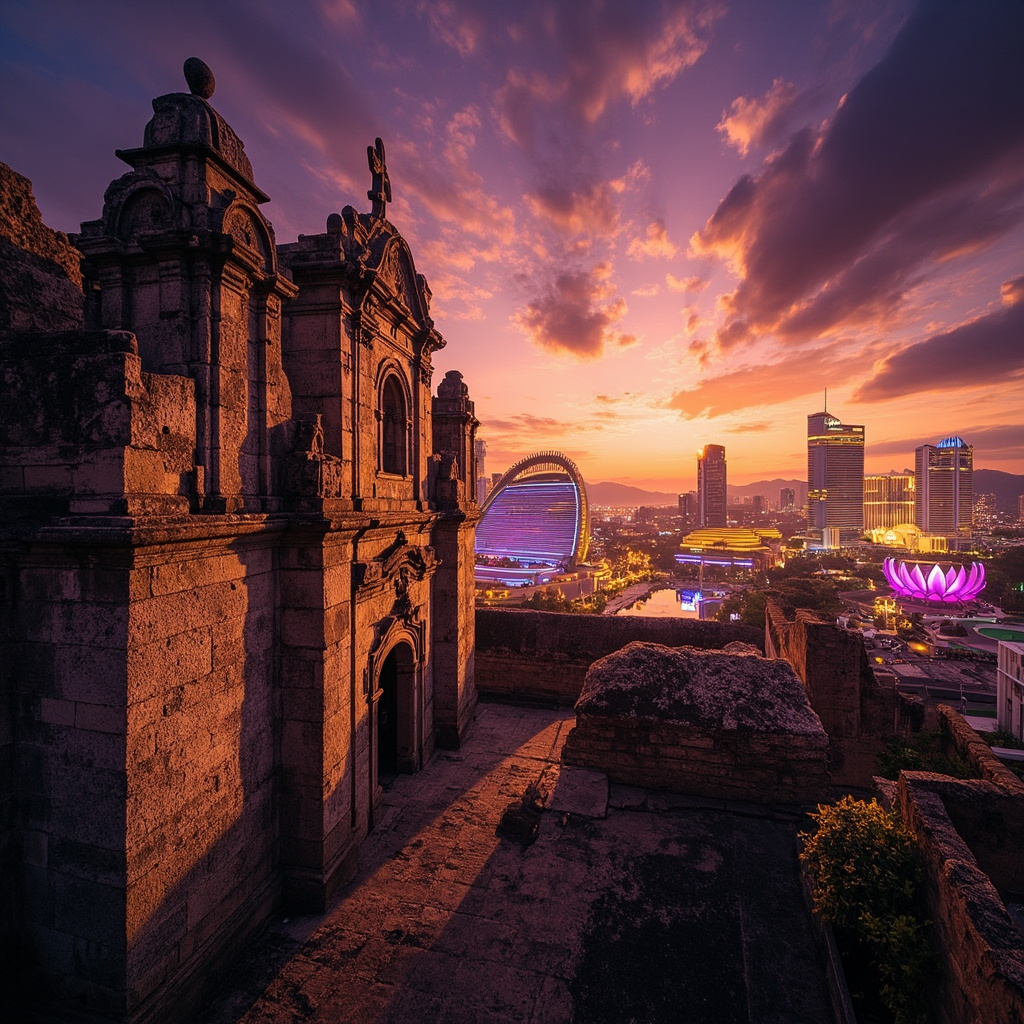
Macau, the dazzling Special Administrative Region on China’s southern coast, is one of the world’s most unique and culturally rich destinations. For over 400 years, this tiny territory was a Portuguese colony, and the resulting blend of Chinese and Portuguese cultures has created a city unlike any other in Asia. This comprehensive Macau travel guide will help you discover why this former Portuguese colony, now a UNESCO World Heritage Site, has become one of Asia’s most popular destinations for heritage tourism and entertainment.
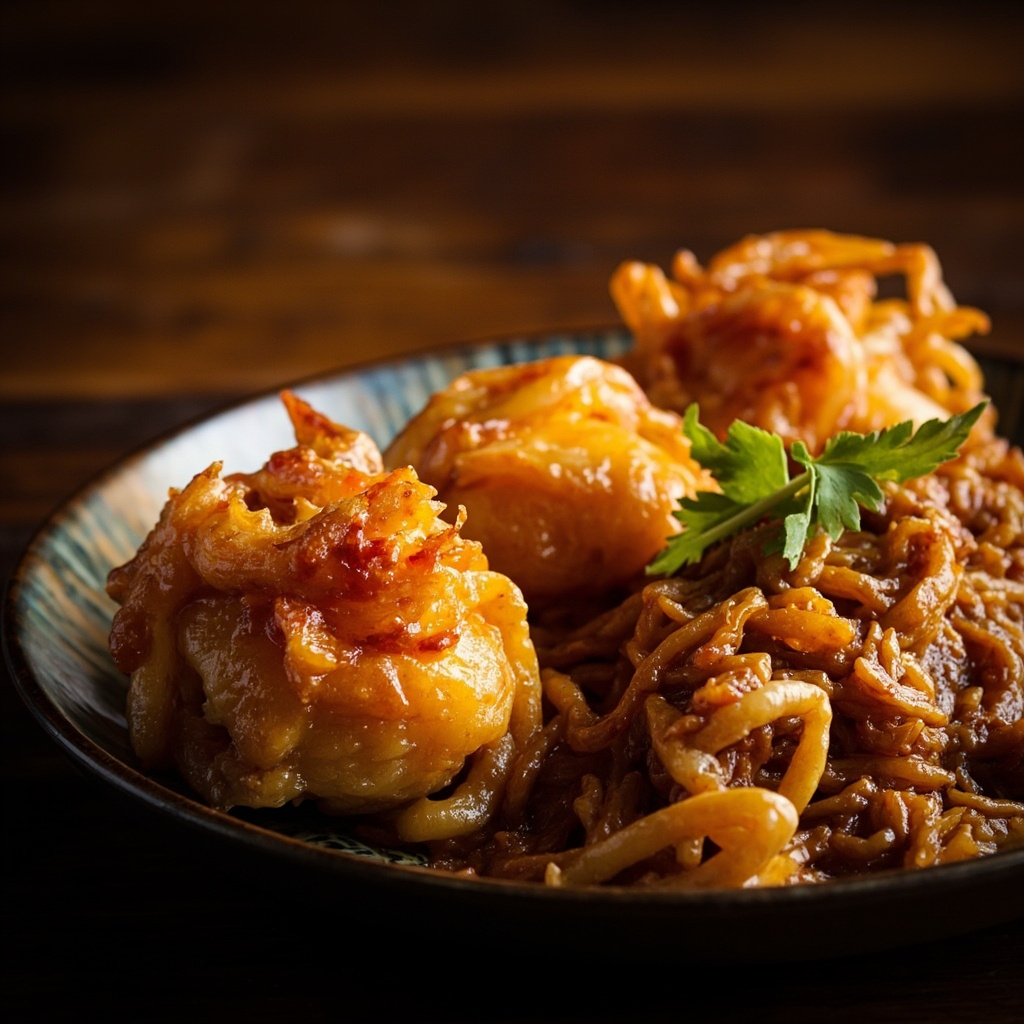
Understanding Macau: Geography, Climate, and Getting Around
Macau is located on the western side of the Pearl River Delta, immediately across the border from Zhuhai in Guangdong Province. The territory consists of a peninsula and two islands, covering a total area of approximately 33 square kilometers, making it one of the smallest territories in the world.
The Macau climate is subtropical, characterized by hot, humid summers and mild, dry winters. The best times to visit are during autumn (October to December) when the weather is pleasant. Summer can be hot and humid, though the casino air conditioning provides refuge from the heat.
Getting around Macau is convenient thanks to its compact size. The historic center can easily be explored on foot, and buses connect all areas of the territory. Free shuttle buses operated by the major casinos make getting around remarkably easy.
The UNESCO Historic Centre: A Living Portuguese Heritage
Macau’s Historic Centre, designated a UNESCO World Heritage Site in 2005, is one of the most perfectly preserved examples of Portuguese colonial urban architecture in the world. The area includes the Senate Square, the Guia Fortress, the A-Ma Temple, and numerous churches, making it one of the most historically rich areas in Asia.
The Ruins of Saint Paul’s, the most recognizable landmark in Macau, is all that remains of a 17th-century Portuguese church that was destroyed by fire. Its baroque facade, carved with intricate religious scenes, is one of the most photographed sites in all of Asia.
The Senate Square (Largo do Senado), with its distinctive black and white Portuguese mosaic pavement, is the heart of the historic center. The surrounding streets, lined with colonial-era buildings housing cafes, bakeries, and shops, create an atmosphere unlike any other city in China.
Portuguese Heritage and Culture
Macau’s Portuguese heritage is visible everywhere in the city, from the colonial-era churches and fortresses to the distinctive Portuguese cuisine that has evolved into its own unique culinary tradition. The most visible evidence of this heritage is the blend of Chinese and Portuguese architectural styles that characterize the historic center.
The city’s Portuguese colonial cuisine is one of its most appealing features. Macanese cuisine, as it is known, is a unique fusion of Portuguese and Chinese cooking traditions that has created dishes found nowhere else in the world. The famous pasteis de nata (egg tarts), introduced by Macanese nuns in the 19th century, have become Macau’s most beloved culinary export.
The Guia Fortress, built in the early 17th century, offers panoramic views of the city and the Pearl River Delta. The fortress’s chapel, with its beautiful frescoes, is one of the oldest Christian monuments in the Far East.
Modern Macau: Casinos and Entertainment
Beyond its historical heritage, Macau is also known worldwide as the gambling capital of the world, with casino revenues far exceeding those of Las Vegas. The massive integrated resort casinos, including the Venetian Macao, the MGM Macau, and the Wynn Palace, offer world-class entertainment, shopping, and gaming facilities.
The Cotai Strip, a reclaimed area between Taipa and Coloane islands, is home to some of the most elaborate resort complexes in the world, including the Venetian Macao, which replicates the canals of Venice, complete with gondola rides.
Conclusion
Macau is a city of extraordinary contrasts, where ancient Portuguese churches stand alongside glittering casino resorts and traditional Chinese temples share the skyline with modern towers. Whether you come to explore its UNESCO-listed historic center, sample its unique cuisine, or experience the excitement of the world’s gambling capital, Macau promises an unforgettable experience.