# Introduction
China’s rich culinary landscape offers an incredible array of flavors, textures, and dining experiences that can transform any trip into a gastronomic adventure. However, for international travelers who follow vegetarian diets or have specific dietary restrictions, navigating Chinese cuisine can present unique challenges. This comprehensive China food guide will equip you with essential knowledge, practical strategies, and insider tips to help you enjoy delicious meals while respecting your dietary needs. Understanding how to communicate your requirements, identify suitable dishes, and navigate local food culture will ensure that your culinary journey through China remains both enjoyable and aligned with your lifestyle choices.
# Understanding Chinese Vegetarian Food Culture
## Historical and Philosophical Foundations
Vegetarianism in China is not merely a dietary choice but is deeply rooted in Buddhist traditions and philosophical principles that emphasize harmony with nature and respect for all living beings. Buddhist monasteries throughout China have developed sophisticated meat-free cuisines over centuries, creating dishes that are both spiritually meaningful and gastronomically sophisticated. These temple foods, known as “sushi” or “zhai cai,” utilize creative techniques to transform vegetables, tofu, and fungi into dishes that mimic the appearance and texture of meat while providing satisfying and flavorful meals.
Many Chinese vegetarians, particularly those who practice Buddhist vegetarianism, avoid not only meat but also foods considered pungent or stimulating, such as garlic, onions, and certain spices. This practice stems from the belief that such foods can cloud the mind and interfere with meditation and spiritual cultivation. Understanding this cultural context will help you appreciate the depth of vegetarian traditions in China and communicate more effectively with local restaurants and hosts about your own dietary preferences.
## Regional Variations in Vegetarian Cuisine
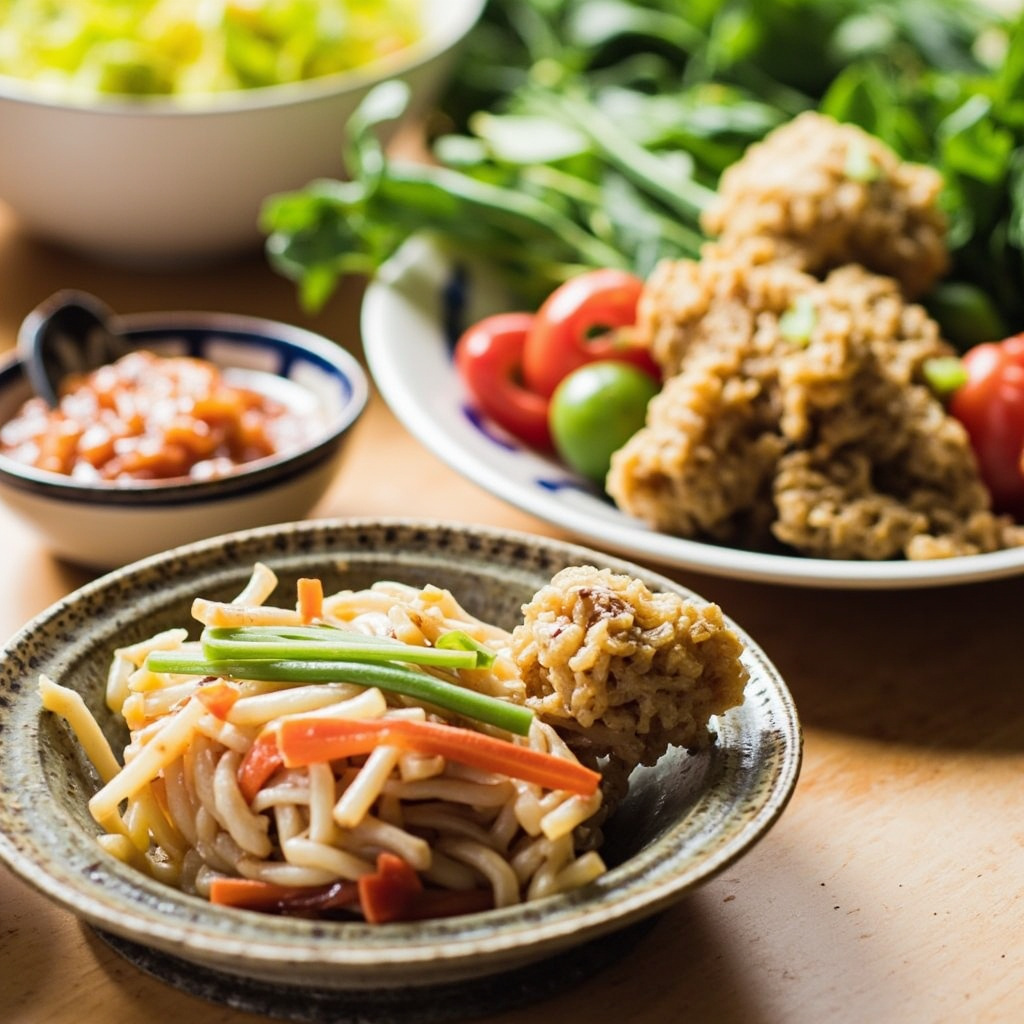
China’s vast geographic expanse means that vegetarian food traditions vary dramatically from region to region. In southern provinces like Guangdong and Fujian, where Buddhist influence is particularly strong, you’ll find an abundance of vegetarian dim sum options, mock meat dishes, and innovative vegetable preparations. These regions have perfected the art of creating satisfying meat alternatives using tofu skin, wheat gluten, and various mushrooms.
Sichuan province, famous for its bold and spicy flavors, offers vegetarian dishes that showcase the region’s signature mala (numbing and spicy) taste profile. Mapo tofu, once a meat-based dish, has been adapted into countless vegetarian versions that deliver the same fiery complexity. Meanwhile, northern Chinese cuisine features wheat-based vegetarian specialties like vegetable dumplings, biangbiang noodles, and sesame pancakes that can easily satisfy hungry travelers.
# Common Vegetarian Ingredients in Chinese Cuisine
Chinese vegetarian cooking relies on an impressive variety of ingredients that international travelers should familiarize themselves with. Tofu, in its numerous forms including silken, firm, fermented, and dried varieties, serves as the foundation for countless meat-free dishes. Armed with knowledge of these ingredients, you can confidently explore menus and communicate your preferences to restaurant staff.
Wheat gluten, known as “seitan” in Western contexts or “mianjin” in Chinese, is particularly popular in Buddhist vegetarian cuisine and can be prepared to resemble various meat textures. Mushrooms of extraordinary variety—from earthy shiitakes to delicate matsutake and meaty king oyster mushrooms—provide umami depth that makes vegetarian dishes satisfying and flavorful. Other essential ingredients include bamboo shoots, lotus root, winter melon, bitter melon, and an extensive array of leafy greens that may be unfamiliar to Western palates.
Sea vegetables, particularly kelp and nori, appear more frequently in Chinese vegetarian cooking than many travelers expect, so those with seaweed sensitivities should exercise caution. Additionally, many Chinese dishes incorporate stock made from meat or fish as a flavor base, so always inquire about preparation methods when ordering vegetable dishes.
# Essential Mandarin Phrases for Dietary Restrictions
Mastering a few key Mandarin phrases can dramatically improve your dining experiences throughout China. While English menus are increasingly common in major tourist destinations like Beijing, Shanghai, and Guangzhou, venturing beyond these areas requires basic language skills to navigate dietary requirements successfully.
Start with these essential phrases: “Wo shi su shi zhe” (I am vegetarian), “Bu chi rou” (I don’t eat meat), “Ye bu chi yu” (I also don’t eat fish), and “Qing wen zhe xie shi su de ma?” (Please ask if this is vegetarian?). When facing language barriers, carrying a small card with your dietary requirements written in Chinese characters can prove invaluable. Many hotels in China will provide such cards upon request, or you can create one before your trip.
For those with severe allergies, “Wo dui [allergen] guo min” (I am allergic to [allergen]) is critical vocabulary. Download translation apps with offline capabilities before traveling, as internet connectivity may be unreliable in rural areas where some of the most authentic vegetarian cuisine awaits.
# Practical Tips for Finding Vegetarian Food in China
## Restaurant Strategies and Local Recommendations
Finding reliable vegetarian restaurants in China requires a combination of research, technology, and local knowledge. Apps like HappyCow have expanding listings for vegetarian and vegan restaurants throughout major Chinese cities, while local platforms like Dianping (similar to Yelp) allow you to filter restaurant searches by cuisine type and dietary specifications. When possible, seek out Buddhist vegetarian restaurants (su zhaisu), which maintain strict vegetarian practices and typically display the Chinese character 素 (sù) meaning “vegetarian” or “plain.”
In smaller cities and rural areas, family-owned restaurants may be more accommodating than chain establishments, as they can often prepare simple vegetable dishes upon request. Ordering “chao cai” (stir-fried vegetables) or “qing chao” (light stir-fry) with plain rice provides a reliable fallback option when other choices are unavailable. Be patient and polite when explaining your dietary needs—Chinese hospitality generally responds positively to respectful requests, even when communication is challenging.
Consider visiting vegetarian or vegan-friendly hotels and hostels in China, as these establishments often have connections with local restaurants that understand international dietary requirements. Online travel communities and forums provide invaluable firsthand recommendations from previous vegetarian travelers who have navigated the same challenges.
## Street Food Considerations
China’s legendary street food culture presents particular challenges for vegetarian travelers. While vegetarian options exist—steamed buns filled with vegetables, scallion pancakes, and various fried dough snacks—cross-contamination with meat products is common, and language barriers make thorough investigation difficult. Observe local eating patterns, look for vendors who specialize in vegetable-based offerings, and don’t hesitate to point at specific items you wish to purchase while indicating your dietary preferences through gestures.
Night markets and food stalls may require more caution than established restaurants. However, some regions offer vegetarian-friendly street food traditions—Jiangnan’s vegetarian dim sum culture and the abundant vegetable offerings at Yunnan province’s markets, for example, provide safer options for adventurous travelers willing to explore beyond the typical tourist paths.
## Shopping for Groceries and Self-Catering
Major cities in China feature modern supermarkets and international food stores where you can purchase familiar ingredients and prepared foods. Brands like Carrefour, Walmart, and Alibaba’s Freshippo offer international sections with vegetarian products, plant-based milks, and imported goods. Local wet markets and morning vegetable markets provide fresh produce at reasonable prices, allowing you to prepare your own meals when dining out proves too challenging.
Many international travelers find that having access to a kitchen, even if only for breakfast and simple meals, significantly reduces dietary stress while traveling in China. When self-catering, stock up on rice, noodles, vegetables, tofu, and your preferred seasonings to ensure you always have satisfying options available.
# Navigating Dietary Restrictions Beyond Vegetarianism
## Religious Dietary Requirements: Halal and Kosher Options
Travelers following Halal or Kosher dietary laws will find specific challenges and opportunities throughout China. The Hui Muslim community, concentrated in western and northwestern provinces, has established numerous Halal restaurants serving lamb, beef, and noodle dishes that avoid pork entirely. Xi’an’s Muslim Quarter offers an extraordinary concentration of Muslim-owned food vendors serving dumplings, lamb skewers, and flatbreads prepared according to Islamic dietary guidelines.
China’s Hui population maintains strict Halal standards, and many restaurants displaying Arabic script or the Chinese character 回 (indicating Hui ownership) can accommodate Muslim travelers. However, verifying ingredient sources and preparation methods remains important, particularly regarding alcohol content in certain dishes and the use of non-Halal animal fats in cooking.
Kosher compliance presents greater challenges in China, as Kosher products are rarely available outside major international hubs. Orthodox Jewish travelers should consider traveling with Kosher convenience foods, contacting Chabad houses in Beijing, Shanghai, or Hong Kong for guidance and possible provisions, or connecting with local Jewish communities who can offer recommendations for compliant dining options.
## Allergies and Intolerances
Food allergies require careful management when traveling in China, where ingredient transparency and allergen awareness differ significantly from Western standards. Shellfish allergies are particularly relevant, as shrimp, crab, and other seafood appear frequently in Chinese cooking, sometimes in dishes where their presence might not be obvious.
Peanut allergies warrant special attention in Chinese cuisine, as peanut oil is commonly used for deep-frying and peanuts appear in both savory and sweet dishes throughout the country. Gluten intolerance and celiac disease present challenges given wheat’s prevalence in northern Chinese cuisine, though rice-based options are generally available. Communicating allergies clearly using written cards that list problem ingredients in both English and Chinese characters provides the most reliable protection.
# Common Pitfalls to Avoid
Several recurring mistakes can undermine vegetarian travelers’ experiences in China. Assuming that vegetable dishes contain no animal products leads to frequent disappointments, as oyster sauce, fish sauce, chicken stock, and pork fat appear in many seemingly meat-free preparations. Always confirm ingredients with restaurant staff, even when ordering dishes that appear obviously vegetarian.
Another common pitfall involves accepting seemingly vegetarian dishes at social banquets or family gatherings, where hosts may have added meat-based ingredients to enhance flavor without considering your dietary needs. Politely declining unfamiliar dishes and explaining your requirements clearly before meals begin prevents awkward situations and potential digestive discomfort.
Finally, avoid relying exclusively on Western-style restaurants and international hotel buffets, as this approach limits your exposure to authentic Chinese cuisine and its remarkable vegetarian traditions. With proper preparation and realistic expectations, you can enjoy both the flavors of China and alignment with your dietary principles.
# Conclusion
Exploring China’s extraordinary culinary landscape as a vegetarian or someone with dietary restrictions requires additional planning and flexibility, but the rewards far outweigh the challenges. From centuries-old Buddhist temple cuisine to innovative modern vegetarian restaurants in cosmopolitan cities, China offers vegetarian travelers an abundance of delicious, diverse, and memorable dining experiences.
By understanding local food culture, learning essential Mandarin phrases, utilizing technology and community resources, and maintaining flexibility in your approach, you can navigate China’s complex food landscape with confidence. Remember that every challenge presents an opportunity for cultural exchange and deeper understanding of this remarkable country’s culinary traditions.
Prepare thoroughly before your trip, carry translation cards and backup snack options, and approach each dining experience with curiosity and openness. Your vegetarian journey through China awaits, filled with discoverable flavors and unforgettable meals that honor both your dietary needs and your sense of adventure.