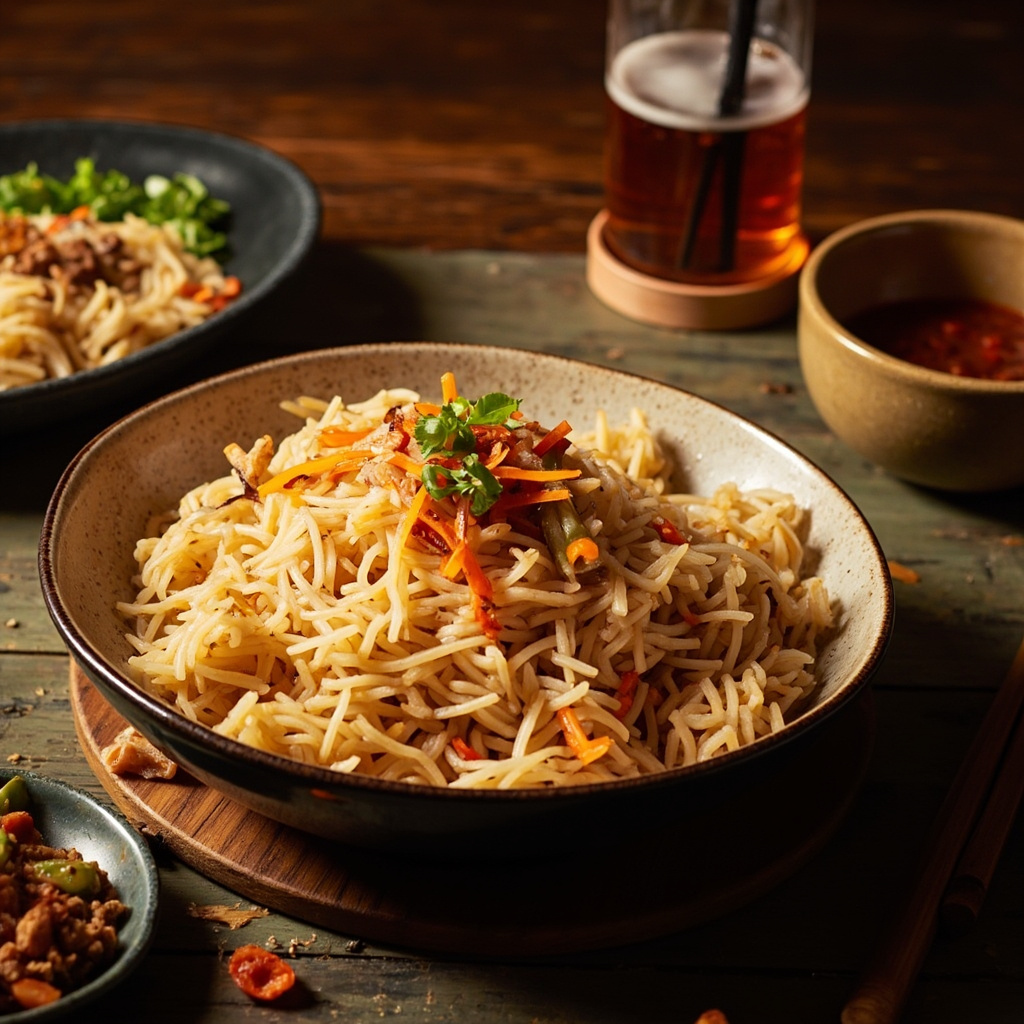
Introduction
Rice is the soul of Chinese cuisine, a humble grain that has fed billions for millennia and forms the backbone of countless comfort‑food classics. From steaming bowls of congee that soothe a cold to sizzling fried rice tossed in a scorching wok, each dish tells a story of regional flavors, local ingredients, and generations of culinary wisdom. In this comprehensive guide we travel from the frosty plains of the north to the humid tropics of the south, exploring the most beloved Chinese rice dishes that have earned their place on dinner tables across the country and beyond. Whether you are craving a quick weeknight stir‑fry or a slow‑cooked, soul‑warming stew over rice, you will find inspiration, authentic techniques, and practical tips to recreate these comfort classics at home.
The Role of Rice in Chinese Comfort Food
Comfort food is more than just tasty; it’s a feeling. In Chinese culture, rice is synonymous with “home.” The act of steaming a pot of fluffy white rice, watching the fragrant steam rise, triggers memories of family gatherings, holiday feasts, and the simple pleasure of a well‑balanced meal. Rice dishes often combine protein, vegetables, and bold sauces, creating a one‑bowl harmony that satisfies both hunger and nostalgia.
Regional variations reflect the diverse climates, histories, and tastes of China’s many provinces. Northern China, where wheat dominates, still cherishes rice as a celebratory treat, while the humid south treats rice as a daily staple. The east, known for its delicate flavors, pairs rice with subtly seasoned meats, and the west favors hearty, spiced pilafs. By exploring these regional nuances, we uncover the true breadth of Chinese rice cookery.
Regional Overview of Chinese Rice Dishes
Understanding the geography of Chinese rice dishes helps home cooks select the right ingredients and techniques. Below is a brief snapshot of each major region’s rice‑centric traditions.
Northern China
The northern climate is cool and dry, prompting a cuisine that relies on wheat‑based foods such as noodles and dumplings. Yet rice appears in festive dishes like Soy Sauce Fried Rice, a simple yet flavorful way to use leftover cooked rice. The focus is on hearty, slightly sweet flavors with a hint of umami from soy sauce and toasted sesame oil.
Eastern China (Jiangsu, Zhejiang, Shanghai)
Eastern China is celebrated for its refined, slightly sweet palate. Rice dishes here often incorporate fresh seafood, delicate vegetables, and sauces like Shanghai‑style soy‑glaze. Red‑Braised Pork Over Rice and Shanghai Scallion Fried Rice showcase the region’s love for balancing savory and sweet notes.
Southern China (Cantonese)
The humid, rice‑rich south treats rice as an everyday staple. Cantonese cuisine emphasizes freshness and subtle seasoning. Iconic rice dishes include Char Siu Rice—barbecued pork over steamed rice—and Egg Foo Young, a fluffy omelet served with rice and a savory gravy.
Southwestern China (Sichuan & Yunnan)
Southwestern provinces are known for bold, spicy flavors. Rice often serves as a neutral backdrop for fiery sauces, pickled vegetables, and fragrant herbs. Sichuan Spicy Fried Rice uses doubanjiang (fermented chili bean paste) for a tongue‑tingling kick, while Yunnan Mushroom Rice highlights earthy wild mushrooms and the region’s abundant produce.
Western China (Xinjiang & Gansu)
The arid west features abundant lamb and aromatic spices, resulting in robust pilafs and rice‑based stews. Xinjiang Lamb Pilaf is a fragrant, spiced rice dish cooked with tender pieces of lamb, carrots, and raisins—a staple of the Silk Road.
Central China (Hunan & Hubei)
Central China’s cuisine is famous for its “ma‑la” (numbing‑spicy) sensation and deep umami flavors. Rice dishes here often combine spicy marinated meats with a generous drizzle of chili oil. Hunan Pepper Beef Rice and Hubei Steamed Rice with Spicy Tofu illustrate the region’s love for heat and boldness.
Classic Rice Dishes from Each Region
Soy Sauce Fried Rice (Northern Style)
A staple of northern comfort food, this fried rice relies on a handful of pantry staples: day‑old cooked rice, soy sauce, sesame oil, and a splash of rice vinegar. The high heat of a wok or a large skillet transforms the grains into a smoky, slightly caramelized dish. Add a handful of frozen peas and carrots for color, and finish with a sprinkle of thinly sliced scallions. The result is a simple, satisfying bowl that showcases the beauty of leftovers.
Shanghai Scallion Fried Rice (Eastern Style)
Shanghai’s version adds an aromatic twist with a generous amount of finely chopped scallions. The rice is first tossed in a hot wok with a drizzle of oil until each grain is lightly toasted, then seasoned with light soy sauce, a pinch of sugar, and a dash of white pepper. The scallions are added at the very end to preserve their vibrant green color and fresh bite. This dish pairs beautifully with a side of pickled vegetables for a balanced meal.
Red‑Braised Pork Over Steamed Rice (Eastern Style)
This dish marries tender pork belly braised in a sweet‑savory sauce of soy sauce, rock sugar, Shaoxing wine, and star anise with a bowl of fluffy steamed rice. The pork is slow‑cooked until the fat becomes melt‑in‑your‑mouth tender, while the sauce reduces to a glossy glaze that coats each grain of rice. A garnish of steamed bok choy or a sprinkle of toasted sesame seeds adds a fresh, nutty finish.
Char Siu Rice (Cantonese Style)
Char siu, the iconic Cantonese barbecued pork, is sliced thin and laid over a mound of steamed jasmine rice. The meat’s caramelized glaze—created from honey, five‑spice, and fermented bean curd—imparts a sweet, smoky flavor that infuses the rice beneath. A drizzle of the leftover char siu sauce and a side of blanched choy sum complete the dish, offering a perfect blend of sweet, savory, and fresh.
Egg Foo Young with Steamed Rice (Cantonese Style)
Egg foo young is a fluffy omelet made with beaten eggs, bean sprouts, and mushrooms, pan‑fried until golden and then ladled over steamed rice. A savory gravy, thickened with cornstarch and flavored with oyster sauce, is poured over the omelet, creating a comforting, protein‑rich meal. This dish is a comforting reminder of home‑style Cantonese cooking.
Sichuan Spicy Fried Rice (Southwestern Style)
For those who crave heat, this Sichuan fried rice delivers. The base is cooked rice tossed with Sichuan peppercorn‑infused oil, doubanjiang, and a splash of chili oil. Spicy ground pork or shredded chicken adds protein, while pickled mustard greens provide a tangy crunch. The final touch is a handful of fresh cilantro and a squeeze of lime, brightening the palate.
Yunnan Mushroom Rice (Southwestern Style)
Yunnan is renowned for its wild mushrooms, which shine in this rustic rice dish. Dried porcini, fresh shiitake, and oyster mushrooms are sautéed with garlic, ginger, and a splash of soy sauce, then folded into steamed rice. The result is a fragrant, earthy bowl that celebrates the region’s bounty. A drizzle of sesame oil and a sprinkle of chopped scallions round out the flavors.
Xinjiang Lamb Pilaf (Western Style)
This celebratory pilaf is a symphony of aromatic spices: cumin, coriander, and a hint of cinnamon. Cubed lamb is seared until golden, then simmered with carrots, onions, and broth before the rice is added and cooked until fluffy. The dish is finished with toasted almonds and raisins, offering a sweet‑savory contrast that is typical of Xinjiang cuisine.
Hunan Pepper Beef Rice (Central Style)
Hunan cooking is known for its bold use of fresh chili peppers and garlic. Thin strips of beef are marinated in soy sauce, rice wine, and a pinch of cornstarch, then quickly stir‑fried with sliced Hunan peppers and onions. The spicy, fragrant beef is served over a bowl of steamed rice, with a drizzle of the leftover stir‑fry sauce for extra punch.
Hubei Steamed Rice with Spicy Tofu (Central Style)
Hubei’s contribution to rice comfort food features silky tofu cubes braised in a fiery sauce of doubanjiang, fermented black beans, and garlic. The tofu is simmered until it absorbs the bold flavors, then spooned over a bed of steamed rice. A scattering of sliced scallions and a drizzle of chili oil provide a fresh, zesty finish.
How to Cook the Perfect Rice for Chinese Dishes
Choosing the Right Rice
The grain matters. Long‑grain jasmine rice yields a fluffy, slightly aromatic result ideal for fried rice and pilafs. Medium‑grain sushi rice becomes stickier, perfect for dishes where the rice needs to hold together, such as rice bowls with sauce. Short‑grain glutinous rice is reserved for sweet treats or certain regional specialties like sticky rice parcels.
Washing and Soaking
Rinse rice in cold water until the water runs clear to remove excess starch. For long‑grain varieties, a 20‑minute soak helps achieve even cooking and reduces the risk of mushy grains. Do not soak glutinous rice for more than 10 minutes, as it can become too soft.
Cooking Methods
Electric rice cookers offer convenience and consistent results. For stovetop cooking, use a heavy‑bottomed pot with a tight‑fitting lid: add water at a 1:1.2 ratio (for jasmine) and bring to a boil, then reduce heat to low and steam for 15‑20 minutes. Let the rice rest, covered, for 5 minutes before fluffing with a fork.
Tips for Authentic Flavors at Home
Use High Heat
Authentic Chinese fried rice relies on a scorching wok. The intense heat creates the signature “wok hei” (breath of the wok), imparting a smoky depth that cannot be replicated on low settings. If you lack a gas stove, preheat a cast‑iron skillet until it smoking and work quickly.
Master the Wok
Keep the wok seasoned by coating it with a thin layer of oil after each use. A well‑seasoned wok develops a natural non‑stick surface, allowing rice grains to move freely and brown evenly.
Seasoning Secrets
Authentic Chinese dishes balance sweet, salty, sour, bitter, and umami. A splash of rice vinegar brightens fried rice, a pinch of sugar balances soy sauce’s saltiness, and a dash of oyster sauce adds depth. Don’t shy away from aromatics—ginger, garlic, and scallions form the flavor foundation of most rice dishes.
Frequently Asked Questions
Can I use instant rice for fried rice?
Instant rice lacks the dry, separated grains needed for authentic fried rice. Day‑old cooked rice that has been refrigerated is ideal because the grains are drier and less likely to become mushy.
What’s the best oil for high‑heat cooking?
Peanut oil, avocado oil, or refined sunflower oil have high smoke points and neutral flavors, making them perfect for stir‑frying at high temperatures.
How can I make a vegetarian version of classic Chinese rice dishes?
Swap meat for tofu, tempeh, or a medley of mushrooms. Increase the amount of vegetables and season with the same sauces (soy sauce, oyster sauce, and sesame oil) to retain authentic flavor.
Is it necessary to marinate rice before cooking?
Marinating rice is not common; instead, season the cooked rice or the accompanying sauce. For dishes like red‑braised pork, marinate the protein to infuse deep flavor.
How do I store leftover rice?
Spread cooked rice on a tray to cool, then transfer to an airtight container and refrigerate for up to 5 days. For longer storage, freeze in portion‑size bags for up to 2 months.
Conclusion
Chinese rice dishes embody a rich tapestry of regional identities, each offering a unique blend of taste, texture, and tradition. From the simple elegance of northern soy sauce fried rice to the fiery complexity of Hunan pepper beef rice, there is a comforting bowl for every palate and occasion. By mastering the basics—selecting the right grain, understanding regional flavor profiles, and employing high‑heat techniques—you can bring the authentic flavors of China’s rice tables into your own kitchen. So, grab your wok, prep your rice, and embark on a culinary journey that celebrates the heartwarming power of rice across the diverse landscape of Chinese cuisine.