## Introduction
When you think of Chinese food, the first images that may pop into your head are steaming dumplings, fiery Sichuan peppercorns, or delicate Cantonese dim sum. Yet, China’s culinary landscape is far from monolithic. Its vast territory, ranging from tropical coasts to arid plateaus, from misty mountains to bustling river deltas, creates a rich tapestry of flavors, ingredients, and cooking techniques that vary dramatically from region to region. Understanding how geography shapes Chinese cuisine can transform the way you cook, eat, and appreciate authentic Chinese food culture.
In this comprehensive guide, we’ll explore the major regional culinary traditions of China, explain why climate, topography, and history have forged distinct flavor profiles, and provide practical tips for tasting or recreating these dishes at home. Whether you’re a food‑lover planning a trip, a home cook looking to expand your pantry, or a blogger aiming to rank higher in search results for “Chinese food regional differences,” you’ll find everything you need right here.
—
## The Broad Geographic Divide: North vs. South
The most fundamental split in Chinese cooking stems from the country’s north‑south climate gradient. The northern provinces experience cold, dry winters and relatively short growing seasons, which favor wheat‑based staples like noodles, buns, and flatbreads. The south, with its abundant rainfall, long growing seasons, and extensive river systems, leans toward rice, fresh vegetables, and a wider variety of seafood.
This climatic divide influences not only the staple carbohydrates but also the overall flavor balance. Northern cuisines tend toward bold, hearty flavors, often using garlic, onions, and vinegar for seasoning, while southern cuisines emphasize freshness, subtlety, and natural tastes, with a focus on dim sum, soups, and lightly seasoned stir‑fries.
—
## The Eight Great Culinary Traditions
China’s “Eight Great Cuisines” (also sometimes expanded to ten or more) are a classic framework for understanding regional diversity. Below, we break down each tradition, highlight its geographic and cultural roots, and offer practical insights for tasting or cooking authentic dishes.
### 1. Cantonese (Guangdong) Cuisine
**Geography & Climate**
Guangdong province sits on the southern coast, bordering the South China Sea. Its humid, subtropical climate supports year‑round farming, producing a continuous supply of fresh vegetables, fruits, and seafood. Access to the sea supplies an abundance of fish, shrimp, and shellfish, while the Pearl River delta’s fertile plains provide rice, lotus root, and bean sprouts.
**Signature Flavors & Dishes**
Cantonese cooking is famed for its “clear, light, and fresh” palate. Dishes are often steamed, braised, or stir‑fried for minimal cooking time to preserve the natural taste of ingredients. Iconic dishes include:
– **Dim Sum**: a collection of bite‑size portions such as har gow (shrimp dumplings), siu mai (pork and shrimp rolls), and cheung fun (rice noodle rolls).
– **White‑cut Chicken**: a simple Poached Chicken seasoned with ginger and scallion.
– **Steamed Fish**: whole fish steamed with soy sauce, ginger, and cilantro.
– **Sweet and Sour Pork**: crispy pork loin tossed in a tangy sauce.
**Practical Tips**
– When dining out, look for restaurants with open kitchens where you can watch the dim sum being freshly prepared.
– At home, invest in a bamboo steamer to quickly cook vegetables, dumplings, or fish.
– Keep a small bottle of premium soy sauce and oyster sauce on hand; they form the backbone of many Cantonese sauces.
### 2. Sichuan (Szechuan) Cuisine
**Geography & Climate**
Sichuan province lies in southwestern China, surrounded by the Tibetan Plateau and the Qinling Mountains. Its humid, foggy climate and fertile Sichuan Basin create ideal conditions for the peppercorn plant—unique to this region—and a wide variety of chilies.
**Signature Flavors & Dishes**
Sichuan cuisine is renowned for its bold, numbing, and spicy flavor profile, often described as “ma la” (numbing‑hot). The hallmark is the use of **Sichuan peppercorns**, which create a tingling sensation, combined with dried red chilies, doubanjiang (fermented chili bean paste), and garlic.
– **Mapo Tofu**: silky tofu in a fiery, numbing sauce of ground pork, doubanjiang, and Sichuan peppercorn oil.
– **Kung Pao Chicken**: stir‑fried chicken cubes with peanuts, dried chilies, and Sichuan peppercorns.
– **Dan Dan Noodles**: spicy sesame noodle dish topped with minced pork and pickled vegetables.
– **Hot Pot**: a communal broth simmering with meats, vegetables, and tofu, spiced with an array of Sichuan spices.
**Practical Tips**
– To achieve authentic “numbing” flavor, toast Sichuan peppercorns and grind them into a fine powder; add just a pinch to any stir‑fry.
– Stock up on doubanjiang (spicy fermented bean paste) and Tian Mian Jiang (sweet bean paste) for base sauces.
– If you’re cooking at home, use a well‑ventilated kitchen and have a fan ready; Sichuan cooking can be smoky.
### 3. Hunan (Xiang) Cuisine
**Geography & Climate**
Hunan province, located in central China south of the Yangtze River, experiences a humid subtropical climate with hot summers and cool winters. The region’s abundant rainfall feeds lush forests and rivers, providing fresh produce and a wealth of freshwater fish.
**Signature Flavors & Dishes**
Hunan cuisine is known for its “pure, fresh, and hot” flavors, emphasizing chili peppers, garlic, and shallots. Unlike Sichuan’s numbing spice, Hunan’s heat comes from fresh chilies and smoked, cured meats.
– **Chairman Mao’s Red‑Braised Pork**: pork belly slow‑cooked in a rich sauce of soy, sugar, and chilies.
– **Spicy Stir‑Fried Chicken (Spicy Chicken with Dried Chilies)**: bite‑size chicken pieces wok‑tossed with fresh chilies and Hunan ham.
– **Steamed Fish Head with Chopped Chili**: a fiery, aromatic dish featuring a whole fish head topped with minced chilies and fermented black beans.
– **Stinky Tofu**: fermented tofu deep‑fried and served with pickled cabbage and chili oil.
**Practical Tips**
– Hunan cooking often uses smoked or cured ingredients; you can mimic this by adding a splash of Chinese rice wine or Shaoxing wine to your dishes.
– Keep fresh red chilies on hand; they’re the backbone of Hunan’s heat.
– For an authentic taste, try a hot wok (or “pao”) technique: heat oil until it smokes, then quickly add aromatics to lock in flavors.
### 4. Jiangsu‑Zhejiang (Huiai) Cuisine
**Geography & Climate**
The Jiangsu and Zhejiang provinces occupy the lower Yangtze River delta, a network of canals, lakes, and coastal waters. The climate is mild and the soil is fertile, supporting abundant rice paddies, lotus root, water chestnuts, and a variety of freshwater fish.
**Signature Flavors & Dishes**
This region is celebrated for its delicate, slightly sweet taste and meticulous preparation. Dishes are often braised or steamed to retain natural juices, with light soy sauce, sugar, and vinegar as common seasonings.
– **Suzhou‑Style Sweet and Sour Ribs**: ribs braised in a glossy sauce of rice vinegar and rock sugar.
– **Zhejiang’s West Lake Fish in Vinegar Sauce**: a classic dish of steamed carp fillet topped with a tangy, sweet sauce.
– **Nanjing Salted Duck**: a pressed, cured duck that’s sliced thin and served cold.
– **Longjing Shrimp**: fresh river shrimp sautéed with Hangzhou’s famous Longjing tea leaves.
**Practical Tips**
– Focus on **freshness**: choose high‑quality, locally sourced fish and vegetables.
– Master the “red‑cooking” method: slow‑braise proteins in a mixture of soy sauce, sugar, and rice wine to achieve the signature glossy finish.
– Keep a small bottle of Zhenjiang (Chinkiang) vinegar; its mild acidity lifts the subtle sweetness of Jiangsu‑Zhejiang dishes.
### 5. Shandong (Lu) Cuisine
**Geography & Climate**
Shandong is a peninsula jutting into the Bohai Sea, with a temperate climate that supports wheat cultivation and extensive fishing grounds. Its proximity to the sea supplies a wealth of seafood, while the interior’s flat plains produce high‑quality wheat and corn.
**Signature Flavors & Dishes**
Shandong cuisine is considered one of the oldest Chinese culinary traditions, emphasizing clear broths, crunchy textures, and the natural flavors of ingredients. The cuisine often uses **braising, quick‑frying, and deep‑frying** techniques.
– **Jianbing**: a savory crêpe made from wheat batter, topped with egg, scallions, cilantro, and a hoisin‑like sauce.
– **Dezhou Braised Chicken**: whole chicken slow‑cooked in a fragrant broth of ginger, star anise, and soy.
– **Seafood Hot Pot**: a brothy pot featuring fresh fish, shrimp, clams, and tofu.
– **Sweet and Savory Scallion Pancakes**: flaky, layered pancakes flavored with chopped scallions.
**Practical Tips**
– To replicate Shandong’s light broths, simmer chicken bones with ginger and a few slices of dried tangerine peel for a clean, aromatic base.
– When making jianbing at home, use a non‑stick pan and a thin batter of wheat flour and water; brush with egg and sprinkle with green onions.
– Keep a stash of **dried seafood** (e.g., dried shrimp, kelp) to enhance umami in soups.
### 6. Fujian (Min) Cuisine
**Geography & Climate**
Fujian province lies along the southeastern coast, bounded by mountains and the Taiwan Strait. Its humid climate yields a wide variety of fruits, tea, and marine life. The province is famous for its **“soup culture,”** with broths often being the centerpiece of meals.
**Signature Flavors & Dishes**
Fujian cuisine is known for its **“sweet, sour, light, and savory”** balance. It uses fermented ingredients, peanut sauce, and a notable emphasis on **umami** from seafood and mushrooms.
– **Buddha Jumps Over the Wall**: a rich, complex broth containing shark fin, abalone, sea cucumber, chicken, and herbs, simmered for hours.
– **Oyster Pancake (Oyster Omelette)**: a crispy pancake made from glutinous rice flour topped with fresh oysters and a tangy sauce.
– **Red‑Cooked Pork with Taros**: pork belly braised with taro cubes in a sweet, soy‑based sauce.
– **Fujian Fried Rice Noodles**: thin rice noodles stir‑fried with seafood, vegetables, and a splash of oyster sauce.
**Practical Tips**
– For a simplified version of Buddha Jumps Over the Wall, use a slow cooker with chicken stock, dried shiitake mushrooms, and a medley of seafood; let it simmer for at least four hours.
– Stock up on **dried seafood** like dried scallops and sea cucumber for authentic umami.
– Serve Fujian soups with a side of **pickled vegetables** to balance the richness.
### 7. Northeastern (Dongbei) Cuisine
**Geography & Climate**
The Northeastern provinces (Heilongjiang, Jilin, Liaoning) experience long, harsh winters, which historically limited fresh produce. As a result, the cuisine relies heavily on **pickling, smoking, and hearty starches**.
**Signature Flavors & Dishes**
Northeastern cooking is hearty, savory, and often features **fermented cabbage (suan cai)**, corn, potatoes, and thick wheat noodles. The emphasis is on **comfort food** that warms the body in cold weather.
– **Suan Cai Yu (Sour Cabbage Fish)**: a spicy, sour soup featuring fermented cabbage with fresh river fish.
– **Guo Bao Rou (翻滚肉)**: crispy pork slices battered and fried, tossed with sweet and sour sauce and vegetables.
– **Steamed Corn Bread (Gao)** and **Millet Porridge** are common accompaniments.
– **Cold Noodles (Liang Pi)**: chewy wheat noodles served cold with cucumber, vinegar, and chili oil.
**Practical Tips**
– To make **suan cai** at home, salt and ferment cabbage for a few days; the tangy flavor pairs perfectly with rich pork dishes.
– Embrace **one‑pot meals**: use a heavy Dutch oven to braise meat and vegetables together, mimicking the rustic style of Dongbei cooking.
– Keep a bottle of **Chinese rice wine** handy; it’s often used to cut through the heaviness of the dishes.
### 8. Shanghai (Hu) Cuisine
**Geography & Climate**
Shanghai sits at the mouth of the Yangtze River, benefiting from abundant river fish, rice paddies, and a cosmopolitan market that blends neighboring cuisines.
**Signature Flavors & Dishes**
Shanghai cuisine, also known as **Hu**, is known for its **sweetness, light seasoning, and elegant presentation**. It frequently uses **soy sauce, sugar, and rice wine** to create glossy, caramelized sauces.
– **Red‑Cooked Pork (Hong Shao Rou)**: pork belly braised in soy sauce and rock sugar until tender and glossy.
– **Xiaolongbao**: soup dumplings filled with pork and a burst of hot broth.
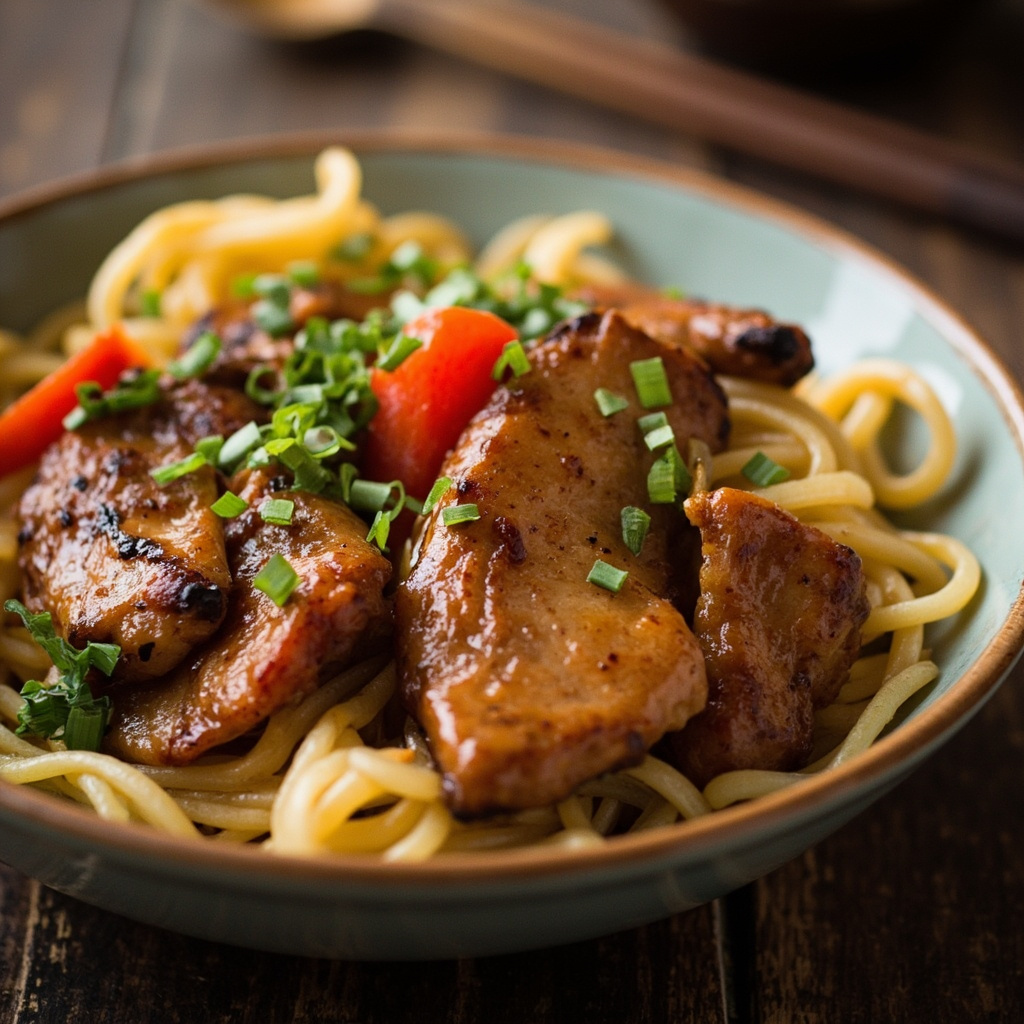
– **Shanghai Noodles (Zhongshan Noodles)**: thick wheat noodles tossed in a savory brown sauce with pork and bok choy.
– **Soy Milk and Fried Dough Sticks (Youtiao)**: a classic breakfast duo.
**Practical Tips**
– Master the **red‑cooking** method: combine soy sauce, sugar, and Shaoxing wine; simmer low and slow for the signature dark, sweet glaze.
– When making xiaolongbao, chill the broth (or gelatinize it) so it becomes a liquid when steamed, creating the signature soup burst.
– Stock **rock sugar** and **light soy sauce** for that authentic Shanghai balance of sweet and savory.
—
## Beyond the Eight Cuisines: Regional Specialties
While the “Eight Cuisines” capture the core traditions, China’s culinary map is far richer. Here are a few notable regional specialties that showcase the country’s ethnic and geographic diversity.
### Xinjiang and the Silk Road
Xinjiang’s Muslim population influences its cuisine with **lamb, wheat, and aromatic spices** like cumin and paprika. Signature dishes include:
– **Lamb Skewers (Chuanr)**: marinated lamb grilled over charcoal, seasoned with cumin and chili flakes.
– **Dapanji (Big Plate Chicken)**: a hearty stew of chicken, potatoes, peppers, and hand‑pulled noodles.
– **Naan Bread**: a fluffy, baked flatbread served with meals.
**Practical Tip**: Use a heavy iron skillet or tandoor to achieve the proper char on naan and skewers.
### Yunnan and the Southwest Plateau
Yunnan’s tropical climate and ethnic diversity produce a cuisine rich in **fresh herbs, mushrooms, and mild spices**.
– **过桥米线 (Crossing Bridge Rice Noodles)**: a steaming broth served with a platter of raw ingredients (meat, vegetables, eggs) that are added at the table.
– **Steam‑Fried Flower Mushrooms**: local mushrooms quickly wok‑tossed with garlic and chili.
**Practical Tip**: Seek out fresh Yunnan mushrooms (like matsutake) at Asian markets; they add an earthy depth to stir‑fries.
### Tibetan Influence
High‑altitude Tibetan cooking uses **barley, yak meat, and dried cheese**. Dishes such as **Tingmo** (steamed buns) and **Yak Butter Tea** reflect the harsh climate.
### Hong Kong and Macau: Fusion
As a former British colony and a Special Administrative Region, Hong Kong blends Cantonese fundamentals with international influences. The city is famous for:
– **Egg Tarts**: flaky pastry with a silky custard filling.
– **Milk Tea**: a silky blend of black tea and evaporated milk, often served in cha chaan teng (tea restaurants).
**Practical Tip**: For authentic Hong Kong‑style egg tarts, use a **puff pastry** base and a custard of eggs, milk, and sugar, baked until the tops caramelize.
—
## How to Explore Chinese Regional Food at Home
### Stocking Your Pantry
A well‑equipped Chinese pantry is the first step to replicating regional flavors:
– **Soy Sauces**: light (for seasoning) and dark (for color and depth) soy sauce.
– **Rice Wine**: Shaoxing wine for cooking; Japanese sake can substitute in a pinch.
– **Vinegars**: Zhenjiang (Chinkiang) vinegar for sweet‑sour dishes; rice vinegar for lighter dressings.
– **Oils**: neutral vegetable oil for high‑heat cooking; sesame oil for finishing.
– **Aromatics**: dried red chilies, Sichuan peppercorns, star anise, cassia (Chinese cinnamon), and ginger.
– **Fermented Condiments**: doubanjiang, hoisin sauce, oyster sauce, and sweet bean paste.
– **Noodles & Starches**: rice noodles, wheat noodles, cellophane noodles, and glutinous rice flour.
### Key Cooking Techniques
– **Stir‑Frying (Wok Hei)**: High heat, quick toss, minimal oil; requires a well‑seasoned carbon steel wok and a powerful burner.
– **Steaming**: Preserves freshness; use bamboo steamers lined with lotus or banana leaves.
– **Red‑Cooking (Hong Shao)**: Slow braising in soy sauce and sugar for glossy, caramelized textures.
– **Deep‑Frying**: Produces crispy exteriors; maintain oil temperature around 350°F (175°C).
– **Braising**: Low‑and‑slow simmering in aromatic broths, especially for tougher cuts of meat.
### Recipe Ideas by Region
| Region | Dish | Quick Home Version |
|——–|——|——————–|
| Cantonese | Har Gow (Shrimp Dumplings) | Use pre‑made wonton wrappers; fill with seasoned shrimp, pleat, steam 5‑6 min |
| Sichuan | Mapo Tofu | Fry firm tofu cubes, add ground pork, doubanjiang, Sichuan pepper, soy sauce, serve over rice |
| Hunan | Red‑Braised Pork | Slow‑cook pork belly with soy, sugar, rice wine, dried chilies for 1.5 hours |
| Jiangsu‑Zhejiang | Sweet‑Sour Ribs | Braise pork ribs in a mixture of Zhenjiang vinegar, sugar, soy sauce, until tender |
| Shandong | Jianbing | Mix wheat flour with water, spread thin, crack egg, add scallions, cilantro, hoisin; fold and serve |
| Fujian | Oyster Pancake | Combine glutinous rice flour with water, pan‑fry until crispy, top with fresh oysters and sauce |
| Dongbei | Suan Cai Yu | Sauté fermented cabbage with fish fillet, add chicken broth, soy, chili; simmer 15 min |
| Shanghai | Xiaolongbao | Prepare pork broth gelatin (mix broth with gelatin, chill), wrap with dumpling dough; steam 8‑10 min |
### Dining Out: Finding Authentic Spots
– **Look for “Regional Specialties” Menus**: Many Chinese restaurants in major cities have sections dedicated to specific provinces (e.g., “Sichuan”, “Cantonese”).
– **Observe the Kitchen**: A visible open kitchen with a wok station is a good sign of authentic stir‑frying.
– **Check Reviews for Specific Dishes**: Search for mentions of signature items like “Mapo Tofu” or “Dim Sum” rather than generic “Chinese food”.
– **Ask About Origin of Ingredients**: Authentic spots often source specialty items—like Sichuan peppercorns from Hanyuan or dried seafood from Fujian—from dedicated suppliers.
—
## Conclusion
From the frosty plains of Dongbei to the steamy kitchens of Guangdong, Chinese cuisine is a vivid illustration of how geography, climate, and history intertwine to shape flavor. By understanding the foundational role of regional ingredients and cooking styles, you can navigate the vast world of Chinese food with confidence—whether you’re ordering a bowl of numbing Sichuan noodles, savoring a delicate Jiangsu fish, or experimenting with a hearty Northeastern stew in your own kitchen.
Embrace the diversity, stock a versatile pantry, and let the landscape guide your palate. The more you explore, the more you’ll realize that “Chinese food” is not a single concept but a collection of vibrant, regionally distinct culinary stories waiting to be tasted and shared.
—
*Enjoy your culinary journey through China’s rich tapestry of flavors!*