## Introduction
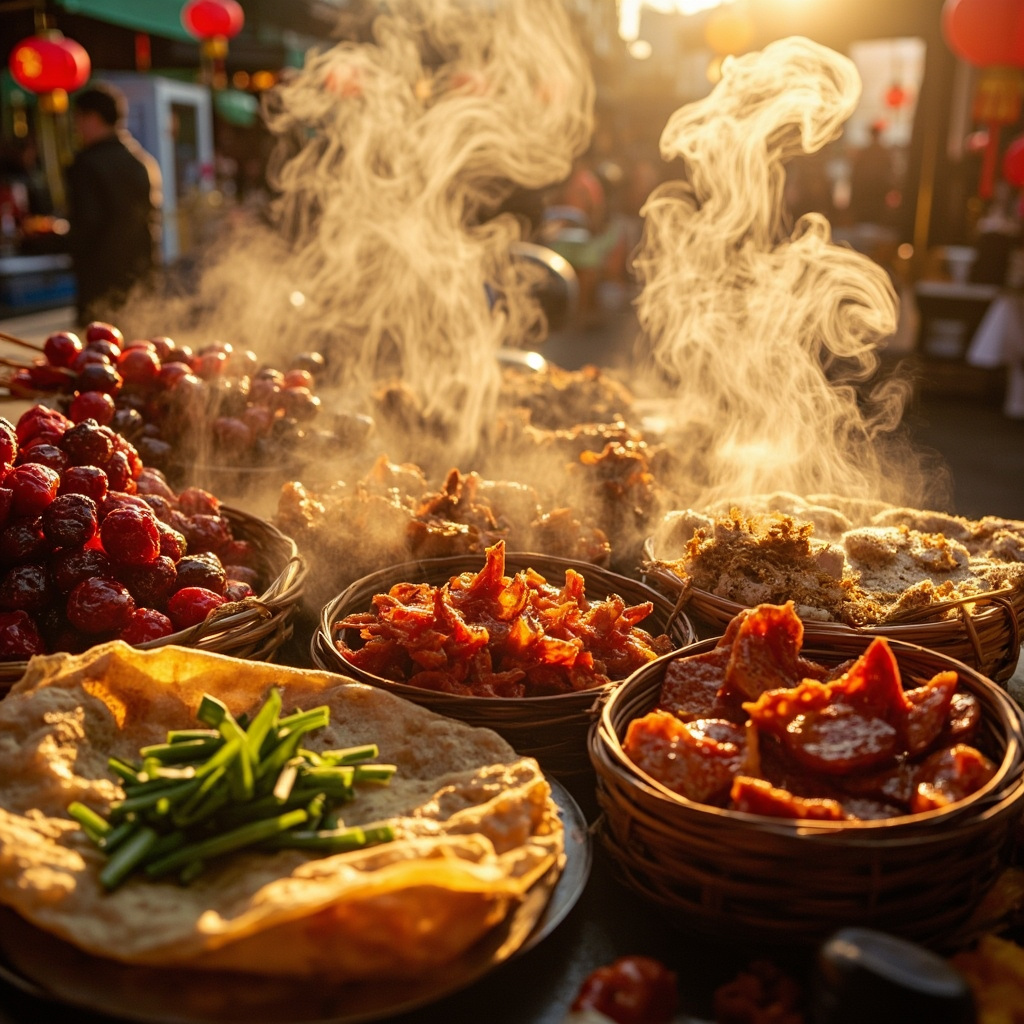
China’s street food scene is a vibrant, ever-evolving tapestry of flavors, aromas, and culinary traditions that have been perfected over centuries. From the bustling night markets of Chengdu to the清晨 (early morning) food stalls of Shanghai, Chinese street food offers an unparalleled adventure for the taste buds. It’s not just about filling your stomach; it’s about immersing yourself in the local culture, understanding the history behind each dish, and connecting with the locals who take immense pride in their culinary heritage. Whether you’re a seasoned traveler or a curious foodie sitting at home, this guide will take you on a journey through the most beloved snacks and regional delicacies that define Chinese street food today.
## The Art of Chinese Street Food
Chinese street food is more than just quick, affordable eats. It’s a reflection of China’s diverse geography, climate, and regional palates. Each province, city, and even neighborhood has its own signature snacks, often passed down through generations. The beauty of street food lies in its simplicity—fresh ingredients, bold seasonings, and masterful cooking techniques executed right before your eyes. The sizzle of a hot wok, the aromatic clouds of spices, and the sight of skewers grilling over charcoal are all part of the sensory experience that makes Chinese street food so enchanting.
## Iconic Street Foods You Must Try
### Jianbing (Chinese Crepe)
Often hailed as China’s most popular breakfast street food, jianbing is a crispy yet soft crepe made from batter poured onto a round iron griddle. It’s topped with an egg, pickled vegetables, cilantro, scallions, and a generous spread of hoisin and chili sauces. The final touch is a crispy cracker (薄脆) that adds a satisfying crunch. Originating in Shandong province, jianbing has become a nationwide favorite, with vendors often preparing it in under two minutes. It’s the perfect grab-and-go snack that balances sweet, savory, and spicy flavors.
### Xiaolongbao (Soup Dumplings)
Xiaolongbao are small, delicate dumplings filled with pork and a rich, savory broth. Originating in Shanghai, these dumplings are a testament to the precision and patience of Chinese dumpling-making. The key is in the aspic (肉皮冻) that melts into soup when steamed. Eating xiaolongbao requires a careful technique: gently lift the dumpling, bite off the top, sip the broth, and then enjoy the tender filling. Street food stalls in Shanghai’s Yuyuan Garden area and Nanjing’s Confucius Temple are famous for serving some of the best xiaolongbao.
### Stinky Tofu (Chòu Dòufu)
Love it or hate it, stinky tofu is a staple in Chinese night markets. This fermented tofu has a pungent odor that can be off-putting to newcomers, but its crispy exterior and creamy interior, often served with pickled cabbage and chili sauce, make it a beloved snack. Each region has its own variation—Hangzhou’s steamed stinky tofu is milder, while Changsha’s deep-fried version is drenched in spicy red oil. Don’t judge a book by its cover, or in this case, a snack by its smell!
### BBQ on a Stick (Chuàn’r)
Chuàn’r, or Chinese kebabs, are a quintessential part of night market culture. Small pieces of meat (commonly lamb, beef, or chicken) are marinated in spices like cumin, chili, and salt, then threaded onto metal or wooden skewers and grilled over charcoal. The smoky aroma and tender, slightly charred meat are irresistible. In Xinjiang, lamb skewers are seasoned with only salt and cumin, while in Sichuan, you’ll find them coated in a fiery chili flake mixture. Grab a handful, find a spot on a plastic stool, and enjoy people-watching with your skewers.
### Fried Rice Noodles (Chow Fun)
Chow fun refers to wide rice noodles that are stir-fried with beef, bean sprouts, and scallions in a hot wok. The result is a dish with a smoky “wok hei” (breath of the wok) flavor, smooth noodles, and tender beef slices. Popular in Guangdong and Hong Kong, this snack is often eaten for breakfast or as a late-night bite. The key to perfect chow fun is using a well-seasoned wok over high heat, which gives the noodles their characteristic charred edges.
## Regional Delicacies
### Sichuan: Spicy and Bold
Sichuan cuisine is renowned for its bold, numbing spiciness, and street food is no exception. In Chengdu’s Chunxi Road and Jinli Street, you’ll find:
– **Mapo Tofu**: Soft tofu cubes in a spicy, numbing sauce made with doubanjiang (fermented chili bean paste) and Sichuan peppercorns.
– **Dan Dan Noodles**: Noodles topped with a sauce of chili oil, minced pork, and preserved vegetables, offering a perfect balance of spicy, salty, and umami.
– **Spicy Crayfish**: Though not traditional street food, these mudbugs drenched in spicy sauce have become a summer staple in night markets across China.
### Cantonese: Subtle and Fresh
In Guangdong, especially Guangzhou and Hong Kong, street food emphasizes fresh ingredients and subtle flavors. Don’t miss:
– **Egg Waffles (Gāodá Bǐng)**: These crispy, bubble-like snacks are made from batter cooked in a special iron mold. They’re sweet, slightly eggy, and fun to eat.
– **Fish Balls**: Poached or fried fish paste balls served in a clear broth or with sweet and sour sauce. A comfort food in Hong Kong’s Mong Kok night market.
– **Tong Sui**: Sweet soups like red bean soup or tofu pudding, perfect for ending a street food crawl on a light note.
### Shanghai: Sweet and Savory
Shanghai’s street food blends Jiangsu and Zhejiang cuisines, offering a mix of sweet and savory flavors.
– ** Shengjian Bao**: Pan-fried soup dumplings, crispy on the bottom and filled with pork and aspic. They’re often eaten for breakfast with a touch of black vinegar.
– **Crab Shell Party (Xiè ké ròu)**: Fried or steamed crab roe and meat mixed into buns or pastries, a luxurious treat.
– **Noodles with Red Braised Pork**: Slow-braised pork belly served over noodles in a rich, sweet soy sauce broth.
### Beijing: Hearty and Traditional
Beijing’s street food reflects its imperial history and northern Chinese preferences for wheat and hearty flavors.
– **Jianbing (Beijing Style)**: While jianbing is nationwide, Beijing’s version often includes more cucumber, cilantro, and a spicier sauce.
– **Beijing Zhajiangmian**: Noodles topped with fermented soybean sauce, stir-fried pork, cucumber strips, and radishes.
– **Fried Dough Twists (Màhuā)**: These crispy, twisted snacks are often eaten as a snack or breakfast item, with a slightly sweet taste.
### Xi’an: Historical Flavors
Xi’an’s street food is deeply rooted in its history as the start of the Silk Road.
– **Roujiamo**: Often called the “Chinese hamburger,” it’s a braised pork sandwich in a baked flatbread. The meat is melt-in-your-mouth tender and seasoned with over 20 spices.
– **Liangpi (Cold Skin Noodles)**: Chewy rice noodles served cold with a spicy, tangy sauce, cucumber, and bean sprouts. Refreshing and perfect for hot summers.
– **Yangrou Paomo**: Crumbled flatbread soaked in lamb broth, topped with lamb slices and pickles. It’s a hearty, communal dish often eaten on weekends.
## Tips for Exploring Street Food in China
### Where to Find the Best Street Food
– **Night Markets**: Cities like Chengdu’s Chunxi Road, Shanghai’s Yuyuan Bazaar, and Xi’an’s Muslim Quarter come alive after dark with hundreds of food stalls.
– **Morning Markets**: For a local experience, visit清晨 markets where vendors sell breakfast items like soy milk, fried dough sticks (油条), and steamed buns.
– **Train Stations**: Railway stations across China often have dedicated food courts serving regional specialties, perfect for trying multiple dishes in one place.
– **Local Communities**: Don’t overlook small alleys and neighborhood streets; some of the best food is found where locals eat, not in tourist-heavy areas.
### How to Eat Like a Local
– **Go Early or Late**: Popular stalls often sell out by midday or close after peak hours. Arriving early or near closing time can also mean fresher food and shorter lines.
– **Follow the Crowd**: If a stall has a long line, it’s usually a good sign. Locals know their food best.
– **Bring Cash**: Many street food vendors don’t accept mobile payments or cards, especially in smaller towns.
– **Use Chopsticks or Hands**: Depending on the food, you might eat with chopsticks, a spoon, or even your hands (like for roujiamo). Observe others and follow suit.
### Food Safety Considerations
– **Choose Busy Stalls**: High turnover means ingredients are fresher and less likely to sit out.
– **Watch the Cooking Process**: Ensure food is cooked to order and avoid items that have been sitting under heat lamps for hours.
– **Carry Tissues and Wet Wipes**: Street food can be messy, and restrooms might not always have toilet paper.
– **Stay Hydrated**: Spicy foods are prevalent, so keep a bottle of water handy.
## Conclusion
Chinese street food is a gateway to understanding China’s rich cultural tapestry. Each snack tells a story of regional pride, historical influence, and the ingenuity of everyday cooks. From the humble jianbing to the elaborate roujiamo, these foods connect people across generations and borders. Whether you find yourself in a bustling night market in Chengdu or exploring a quiet alley in a small town, be adventurous, try the unfamiliar, and let the flavors guide you. Remember, the best meals often come from the most unexpected places. So, grab your chopsticks, follow the sizzle of the wok, and embark on a culinary adventure that will leave you craving more. Happy eating!