Introduction
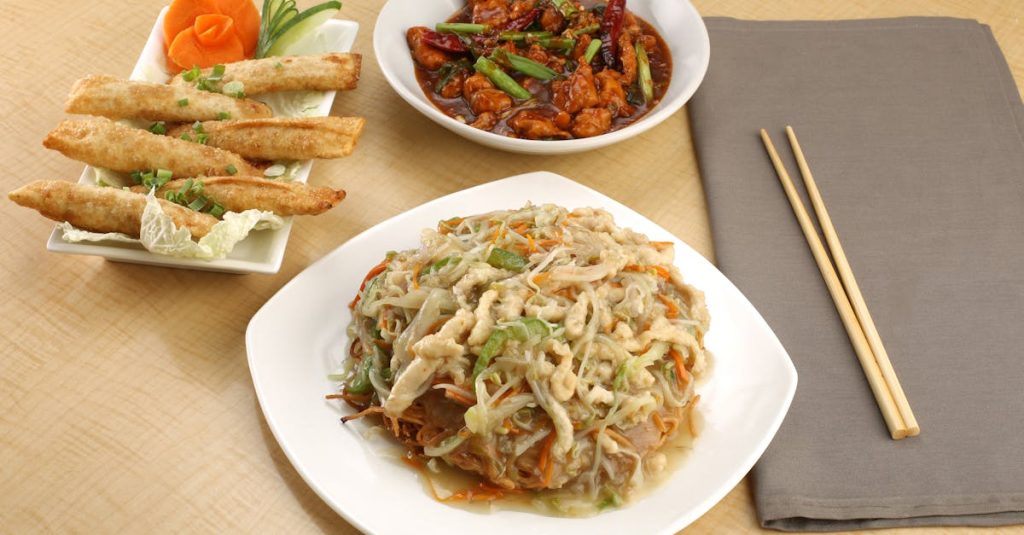
Sichuan cuisine, often spelled Szechuan, is the hallmark of the culinary landscape in Southwest China. Known for its bold, daring flavors, it stands out from the other eight major Chinese regional cuisines by the way it balances the sensation of heat, acidity, sweetness, and a unique “numbing” quality that tingles the palate. The province of Sichuan, with its mist‑covered mountains, abundant river valleys, and a climate that encourages the use of fiery chilies and aromatic peppercorns, has forged a food culture that is as complex as it is comforting. In this article we will explore the authentic dishes, the regional variations, the essential cooking techniques, and the cultural traditions that make Sichuan cuisine a favorite among food lovers worldwide.
History and Cultural Roots
Ancient Origins
The story of Sichuan cuisine begins more than two thousand years ago, during the Qin and Han dynasties, when the region was already a bustling crossroads of trade and agriculture. Ancient texts describe the use of locally grown ginger, garlic, and the early forms of fermented soybeans. The fertile Chengdu Plain supplied rice, wheat, and a rich variety of vegetables, while the surrounding hills provided wild herbs and mushrooms. This bounty allowed cooks to experiment with flavors that would later become synonymous with Sichuan.
Evolution Through Dynasties
As China moved through the Tang, Song, and Ming dynasties, Sichuan’s culinary repertoire expanded dramatically. The introduction of chili peppers from the Americas in the late Ming period reshaped the flavor profile, turning the region’s affinity for spice into a defining characteristic. The Qing dynasty saw the rise of the “seven flavors” system, a classification that grouped dishes according to their dominant taste sensations, and this systematic approach continues to influence how Sichuan chefs compose meals today.
Influence of Geography
Geography is the unsung hero behind Sichuan’s distinctive taste. The province sits on a plateau that experiences humid summers and mild winters, a climate that encourages the growth of the prized Sichuan peppercorn (a berry that delivers a citrusy, slightly woody numbness). The nearby Yangtze River and its tributaries provide fresh fish and crayfish, while the mountainous terrain supplies bamboo shoots, wild greens, and a spectrum of mushrooms. The interplay of these natural resources makes Sichuan cuisine exceptionally versatile and deeply rooted in its landscape.
Core Ingredients and Flavor Profile
The Seven Flavors
Sichuan cooking is celebrated for its “seven flavors,” a concept that organizes taste into seven categories: spicy (la), numbing (ma), sweet (tian), bitter (ku), sour (suan), salty (xian), and umami (xian). While every dish emphasizes the first two—heat from dried and fresh chilies and the tingling sensation from Sichuan peppercorns—balanced recipes often incorporate the other five to achieve a harmonious complexity. This nuanced approach ensures that a single bite can be simultaneously hot, sour, sweet, and savory.
Signature Aromatics
Beyond chilies and peppercorns, Sichuan chefs rely on a pantry of aromatics that create depth and fragrance. Broad bean paste, known as doubanjiang in pinyin, adds a deep umami backbone to many sauces. Fermented black beans (douchi) contribute a salty, slightly sweet note, while garlic, ginger, and scallions are used in nearly every stir‑fry. A splash of Chinese rice wine, such as Shaoxing, lifts the flavors, and a drizzle of sesame oil often finishes dishes with a subtle nuttiness.
Iconic Sichuan Dishes
Mapo Tofu
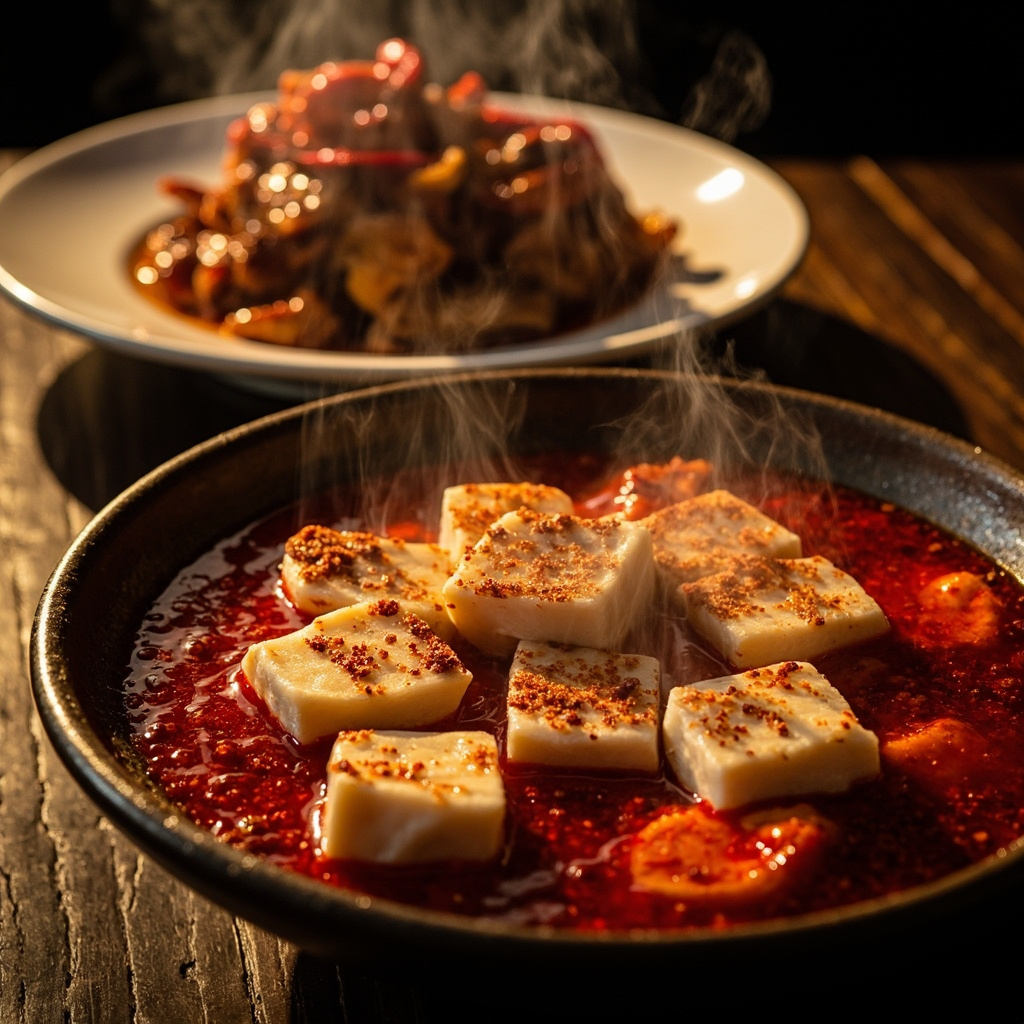
Perhaps the most recognizable ambassador of Sichuan cuisine, Mapo Tofu (麻婆豆腐) combines silky tofu cubes with a fiery sauce of fermented broad bean paste, minced pork, and a generous dose of Sichuan peppercorns. The dish is named after its creator, a Qing‑dynasty woman nicknamed “Pockmarked Ma,” whose version became a street‑food staple. The result is a comforting bowl where the creaminess of the tofu is contrasted by the numbing heat of the peppercorns and the bright red hue of chili oil.
Kung Pao Chicken
Kung Pao Chicken (宫保鸡丁) is a stir‑fried delight that showcases the interplay of sweet, salty, and spicy elements. Tender chicken pieces are tossed with dried red chilies, Sichuan peppercorns, roasted peanuts, and a sauce made from soy sauce, vinegar, sugar, and a hint of Chinese black vinegar. The dish’s popularity outside China has led to many regional adaptations, but the authentic version remains a textbook example of the “gong bao” flavor profile—savory, slightly sweet, and finishing with a lingering heat.
Sichuan Hot Pot
When the weather turns cool, Sichuan families gather around a bubbling copper pot filled with a broth that simmers with star anise, cinnamon, clove, and a generous helping of dried chilies. Diners drop thinly sliced meats, fresh vegetables, tofu skin, and mushrooms into the broth, then fish them out with chopsticks. The communal nature of hot pot embodies the Sichuan spirit of sharing, and the broth can be customized from mild to mouth‑numbingly intense, depending on how much Sichuan peppercorn oil is added.
Dan Dan Noodles
Dan Dan Noodles (担担面) originated as a street‑food snack sold by vendors carrying a pole (dan) with a basket of noodles. The dish features thick, wheat noodles tossed in a sauce of chili oil, fermented soybean paste, Sichuan peppercorn, and ground pork. Garnished with chopped scallions, garlic, and a sprinkle of crushed peanuts, each bowl delivers a punch of heat, umami, and a satisfying crunch. The dish’s simplicity belies the complex layering of flavors that define Sichuan cooking.
Twice‑Cooked Pork (Hui Guo Rou)
Twice‑Cooked Pork is a classic example of the “two‑step” cooking method that gives the dish its name: pork belly is first boiled, then sliced thin and pan‑fried until the edges turn crisp. The meat is then wok‑tossed with a fragrant mixture of broad bean paste, sweet soybean sauce, ginger, and garlic, often finished with a handful of fresh cabbage leaves. The contrast between the tender interior of the pork and the caramelized exterior makes this dish a favorite for family gatherings.
Fish‑Flavored Pork (Yu Xiang Rou Si)
Despite its name, Yu Xiang Rou Si (鱼香肉丝) contains no fish; instead it is seasoned with the “fish fragrance” blend of garlic, ginger, scallion, and a sauce made from soy sauce, vinegar, sugar, and chili. The shredded pork is stir‑fried quickly over high heat, absorbing the aromatic liquids and emerging with a glossy coating. The dish exemplifies the Sichuan principle of “tasting the sauce before the meat,” inviting diners to savor the layered aromatics as much as the protein.
Spicy Crayfish
Summer nights in Chengdu are incomplete without a bucket of Spicy Crayfish (麻辣小龙虾). Freshwater crayfish are simmered in a broth of dried chilies, Sichuan peppercorns, star anise, and a generous splash of Shaoxing wine. The crustaceans absorb the bold, numbing spices while remaining juicy inside. Served with a side of cold cucumber salad, this dish has become a social ritual, often enjoyed while sipping chilled Chinese beer.
Regional Variations Within Sichuan
Chengdu Style
Chengdu, the provincial capital, is considered the culinary heart of Sichuan. Chengdu cooking tends to be more refined, emphasizing a balance of flavors and a lighter use of oil. Dishes such as “Chengdu‑style Dan Dan Noodles” often feature a thinner sauce and a garnish of pickled vegetables, reflecting the city’s historical emphasis on subtle taste contrasts.
Chongqing Style
Just a two‑hour drive from Chengdu, Chongqing is known for its “explosive” heat and bold flavors. The Chongqing hot pot is famous for its use of whole dried chilies that float on the surface, creating a fiery, almost smoky broth. Chefs in Chongqing also favor “dry‑pot” methods where ingredients are cooked without broth, resulting in crispy, caramelized edges.
Northern Sichuan
The northern part of the province, bordering Shaanxi, embraces a more agrarian palate. Dishes here often incorporate wheat‑based staples like biangbiang noodles and incorporate a heavier hand of fermented bean paste. The climate’s cooler temperatures encourage the use of smoked meats and preserved vegetables, adding an extra layer of depth to the regional cuisine.
Dried Chilies vs Fresh
A key distinction across Sichuan’s sub‑regions lies in the preference for dried versus fresh chilies. In the highlands, cooks favor sun‑dried “facing heaven” chilies for their concentrated heat and slight smokiness. In contrast, the river valleys around Chengdu rely on fresh green and red chilies, which lend a bright, vegetal spice that balances the richness of the dishes.
Cooking Techniques
Ma La: Numbing and Spicy
The hallmark of Sichuan cooking is the “ma la” sensation, a combination of the analgesic tingling of Sichuan peppercorns and the sharp heat of chilies. Achieving perfect ma la requires blooming peppercorns in hot oil to release their essential oils, then quickly adding chilies to preserve their crispness. The resulting oil can be drizzled over finished dishes or used as a base for sauces.
Stir‑Frying (Bao Chao)
Stir‑frying, or bao chao, is a rapid cooking method that relies on intense heat, a well‑seasoned wok, and constant motion. The technique locks in the texture of vegetables and proteins while ensuring they absorb the aromatic sauces. For Sichuan stir‑fries, chefs often pre‑heat the wok until it smokes, add oil, and then introduce aromatics like ginger and garlic before the main ingredients.
Red Braising (Hong Shao)
Red braising involves slow‑cooking meat in a mixture of soy sauce, sugar, rice wine, and spices, resulting in a glossy, caramelized sauce. The process can take from thirty minutes to several hours, allowing collagen to break down into gelatin and the flavors to deepen. Classic examples include Hong Shao Rou (red‑braised pork belly) and Hong Shao Niu Bu (braised beef tendon).
Pickling and Fermenting
Sichuan cuisine boasts an impressive array of preserved ingredients, such as pickled mustard greens (zha cai), fermented black beans, and homemade chili paste. These preparations add acidity, umami, and a subtle funk that round out the overall flavor profile. Home cooks often maintain a small pantry of these pickles to instantly elevate a simple stir‑fry into a complex Sichuan dish.
Dining Culture and Etiquette
Sharing Dishes
In Sichuan, meals are a communal affair. Family style dining encourages the sharing of multiple dishes, allowing each person to experience a variety of flavors in one sitting. Dishes are placed in the center of the table, and participants use chopsticks to pick up portions, often accompanied by a small bowl of steamed rice. The practice of “one bowl, many dishes” reinforces social bonds and reflects the importance of harmony in Chinese culture.
Street Food Scene
The bustling night markets of Chengdu and Chongqing are legendary for their street‑food offerings. Vendors sling everything from sizzling skewers of lamb to steaming bowls of spicy wontons. The atmosphere is lively, with the sizzle of woks, the aroma of chili oil, and the occasional hiss of Sichuan peppercorn oil permeating the air. Sampling street food provides an authentic taste of the local palate and a glimpse into everyday life.
Tea and Desserts Pairing
After a fiery meal, many Sichuan diners turn to calming tea to balance the palate. Jasmine tea and chrysanthemum tea are popular choices for their soothing qualities. For dessert, simple sweets like sweet rice balls (tangyuan) or a bowl of red bean soup offer a mild contrast to the preceding heat, providing a satisfying conclusion to a flavor‑packed dining experience.
How to Cook Sichuan at Home
Essential Pantry Staples
To replicate Sichuan flavors in your own kitchen, stock up on a few key items: Sichuan peppercorns (whole or ground), dried red chilies, broad bean paste, Shaoxing rice wine, light and dark soy sauces, Chinese black vinegar, sesame oil, and a good quality chili oil. Having these ingredients on hand will allow you to build the signature “ma la” base and adjust the heat to your personal preference.
Choosing the Right Chili and Peppercorn
When selecting chilies, look for bright red, slightly glossy skins for dried chilies; they should feel slightly leathery but not overly brittle. Fresh green or red chilies should be firm and have a strong aroma. For Sichuan peppercorns, choose whole pinkish‑red berries that are fragrant and free of dust. To intensify the numbing effect, toast the peppercorns briefly in a dry pan before grinding.
Simple Recipe: Mapo Tofu
Begin by heating a tablespoon of vegetable oil in a wok over medium‑high heat. Add one tablespoon of broad bean paste and stir‑fry for about a minute until the oil turns a deep red. Add one cup of chicken broth, one tablespoon of soy sauce, and a pinch of sugar, stirring to combine. Gently slide in 400 g of soft tofu, cut into 2‑cm cubes, and simmer for five minutes. In a separate small pan, heat a teaspoon of Sichuan peppercorn oil until fragrant, then pour it over the tofu. Sprinkle with ground Sichuan peppercorns, minced green onions, and a dash of sesame oil. Serve hot over steamed rice for an authentic taste of Sichuan.
Conclusion
Sichuan cuisine is far more than a collection of spicy dishes; it is a vibrant expression of history, geography, and cultural identity. From the legendary Mapo Tofu that started on a Chengdu street corner to the communal joy of a Chongqing hot pot, every dish tells a story of the land and its people. By understanding the core ingredients, mastering the essential cooking techniques, and embracing the communal spirit of dining, you can bring the authentic flavors of Southwest China into your own kitchen. Whether you crave the tongue‑tingling ma la of a classic Kung Pao or the deep, caramelized notes of a red‑braised pork belly, Sichuan cuisine offers a sensory adventure that continues to inspire food lovers around the globe.