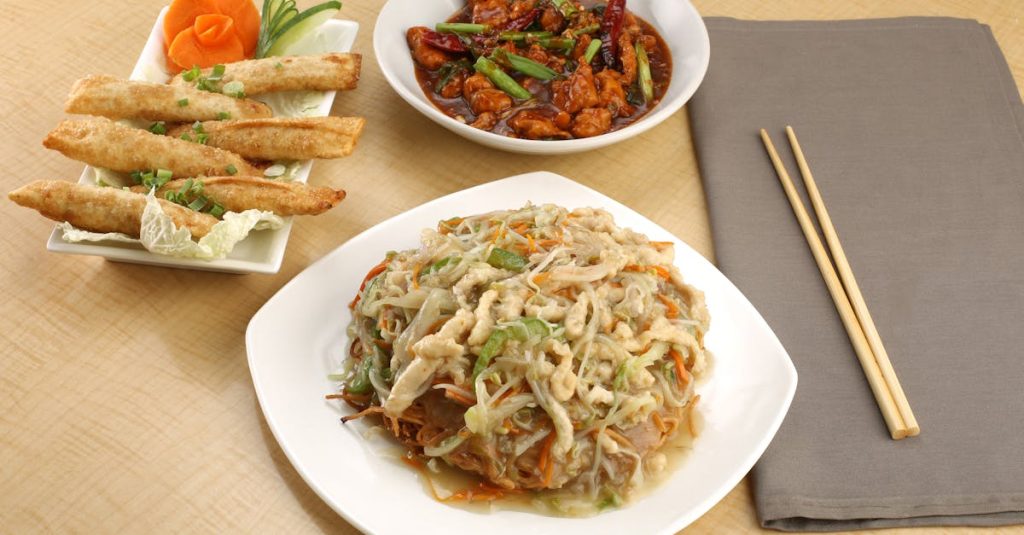
Hunan cuisine (湘菜, Xiāng cài), named after Hunan province in south-central China, is the fiery, sour, and deeply savory cousin of Sichuan cooking. While Sichuan cuisine uses the distinctive “numbing spice” of Sichuan peppercorns, Hunan cuisine delivers pure, straightforward heat — a blazing fire of chili peppers, smoked and cured meats, and a liberal use of rice vinegar that creates a sour-spicy balance unlike anything else in Chinese cooking.
The Character of Hunan Food
Hunanese call their cuisine “Xiang” after the Xiang River (湘江) that runs through the province. The food is known for its boldness — chefs use dried chilies, fresh chilies, pickled chilies, and chili oil in nearly every dish. Where Sichuan food aims for the numbing-spicy balance of “ma la,” Hunan food simply aims for maximum heat — and it delivers.
The Smoking and Fermenting Tradition
What makes Hunan cuisine distinctive is its extraordinary use of preserved and smoked ingredients. Hunan’s humid climate led to sophisticated preservation techniques: pork is smoke-dried over rice straw, fish is salt-cured and fermented, and vegetables are pickled in earthenware jars. These preserved ingredients provide a deep, complex, funky umami that fresh ingredients alone cannot achieve.
Must-Try Hunan Dishes
Mao’s Braised Pork (毛氏红烧肉): Chairman Mao Zedong’s favorite dish — large cubes of pork belly, slow-braised in soy sauce and sugar until lacquered and glistening. The Hunan version is sweeter than the Shanghai version, with a harder, darker sauce.
Spicy Diced Chicken (辣子鸡): Unlike the Sichuan version with its numbing peppercorns, Hunan spicy diced chicken is pure heat — small pieces of fried chicken stir-fried with enormous quantities of dried chilies until the chilies outnumber the chicken pieces dramatically.
Steamed Fish Head with Chili (剁椒鱼头): A Hunan banquet centerpiece — a whole fish head (yes, the whole head, with one enormous eye staring up at you) steamed with a mountain of pickled Hunan chilies and garlic. The meat around the cheek and jaw is considered the most prized part.
Changsha Strips (长沙臭豆腐): The Hunan version of stinky tofu — fermented until intensely aromatic, fried until crispy, and served with a dark, spicy dipping sauce. Changsha’s version is smaller and darker than the Nanjing style.
Dong’an Chicken (东安鸡): A sour-spicy cold dish from Dong’an county — poached chicken shredded and dressed in a vinegar-chili sauce with fresh ginger and scallions. Refreshing and incendiary at the same time.
Hunan’s Pepper and Chili Heritage
The Xinning county in Hunan is one of China’s original chili pepper cultivation zones — chilies arrived here from the Americas in the 16th century and were adopted into local cuisine with extraordinary enthusiasm. Today, Hunan is one of China’s most prolific chili consumers, with per-capita consumption rates among the highest in the country.
Discover more regional Chinese cuisines in our comprehensive Chinese Food Complete Guide, your complete guide to understanding China’s extraordinary culinary diversity.
Featured image: A classic Hunan spicy fish head with fermented chilies, served at a Changsha restaurant. Image: Cyber China Editorial.