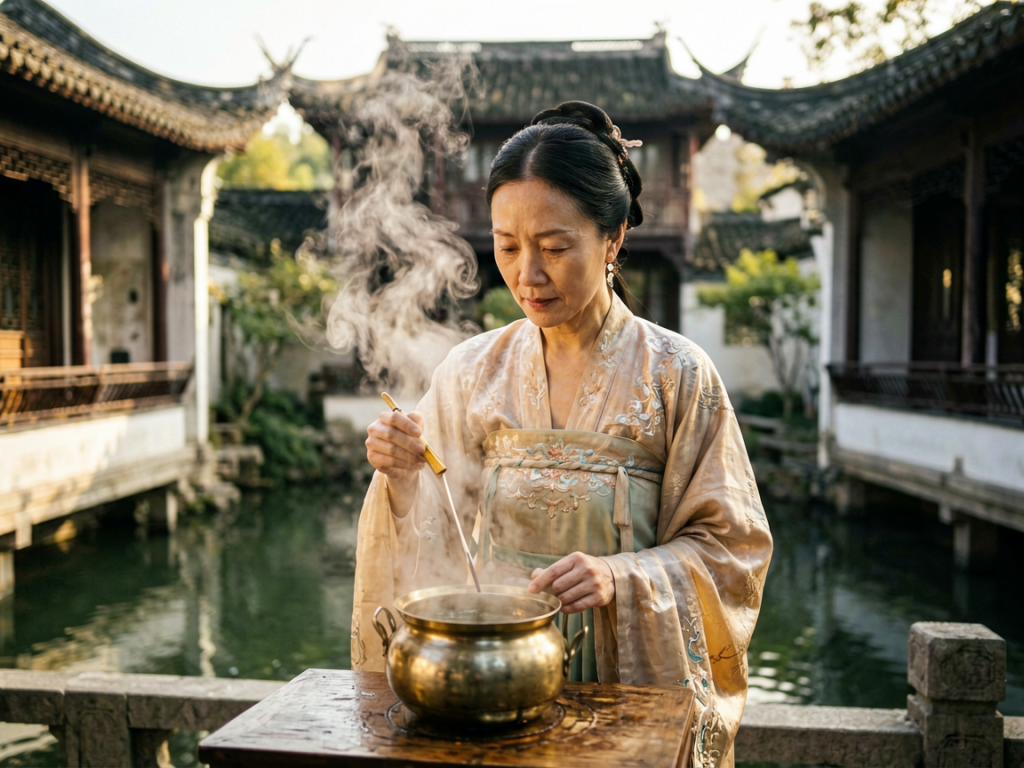
I still remember the first time I got sick in Beijing. It was a humid July, the kind where the air feels like a wet wool blanket. My throat was scratchy, my head throbbed, and I felt utterly drained. I stumbled into a tiny corner store near my apartment, hoping to find some magical Western pill or perhaps a strong coffee to knock me out.
The old woman behind the counter didn’t even look up from her phone initially. When I finally pointed to my throat and made a coughing noise, she sighed. Not an angry sigh, just a deeply exhausted, maternal sigh. She reached under the counter and handed me a large, clear plastic cup filled with steaming liquid.
“Drink,” she said. Simple. Commanding. Final.
I took a sip. It was just water. Boiled, then cooled slightly so it wouldn’t burn my tongue immediately, but definitely hot. Not tea. Not ginger soup. Just water. I drank it while standing on the sidewalk, feeling ridiculous. But twenty minutes later, I felt… better. Or at least, the panic subsided. That was my introduction to the most potent, ubiquitous medicine in China: hot water.
The Thermos Culture
If you walk around any office in China, you’ll see them everywhere. They’re called保温杯 (bǎo wēn bēi), which literally translates to “keep warm cup.” Most people carry a stainless steel thermos everywhere they go. Students have them in their backpacks. Grandpas have them on park benches. Businessmen keep them on their desks during marathon meetings.
I bought my first thermos about three years ago. It’s a sleek, matte-black cylinder that costs about eighty yuan. At first, I used it to make matcha lattes. Then, I realized everyone else was just filling it with tap water that had been boiled and kept hot. So, I started doing that too.
There’s something deeply comforting about holding a warm vessel in your hands during a freezing winter morning. In the West, we often reach for iced coffee to wake up. Here, the logic is entirely different. You need warmth. You need to raise your internal temperature to fight off the chill. It’s not just a preference; it’s a physiological belief system.
I’ve noticed that when I drink cold water here, people look at me with genuine concern. It’s like I’m asking them to eat raw chicken or walk into a blizzard without a coat. My Chinese friend Lin once laughed so hard when I ordered a latte with ice. “You want to put ice in your stomach?” she asked, shaking her head. “Why would you hurt yourself?”
To be fair, the concept makes sense if you think about digestion. Cold water constricts blood vessels and slows down metabolic processes. Hot water, on the other hand, gets things moving. It’s easier to digest. It’s soothing. It’s safe.
A Cure for Everything, Even Heartbreak
In traditional Chinese medicine, which influences daily habits far more than most Westerners realize, health is about balance. Specifically, the balance of Yin and Yang. Cold is Yin. Heat is Yang. When you feel unwell, it’s usually because you have too much Yin–too much cold, dampness, or stagnation. The solution? Add Yang. Add heat.
This isn’t just for physical ailments. It’s emotional, too. I’ve seen grown men cry over spilled soup, only to be handed a cup of hot water by their mother. I’ve seen colleagues staring blankly at their screens after a brutal performance review, silently reaching for their thermos. The hot water doesn’t solve the problem, obviously. But it provides a moment of pause. A second to breathe. A warm anchor in a chaotic world.
Last year, my girlfriend and I went through a rough patch. We weren’t breaking up, but we were tired. Stressed. The argument was about something stupid, probably whose turn it was to do the dishes. We sat on our balcony in Shanghai, the rain pouring down. I wanted to storm off, but instead, I went to the kitchen.
I boiled the kettle. I waited for the whistle. I poured two cups. I walked back out to the balcony and handed her one. We sat there in silence, holding the warm ceramic mugs. The steam rose up into the rainy air. By the time we finished the water, the anger had evaporated along with the steam. We talked. We fixed it. And I’m convinced the hot water played a role. Maybe it’s placebo. Maybe it’s just the act of slowing down. But it worked.
You won’t hear therapists prescribing hot water, but in China, it’s the default first response to distress. Crying? Drink some hot water. Angry? Drink some hot water. Confused? Drink some hot water. It’s the universal reset button.
The Social Lubricant of Steam
Hot water also serves a crucial social function. It’s the great equalizer. In the West, meeting someone for coffee is a standard greeting. In China, meeting someone for tea is common, but meeting them for hot water is universal. It’s accessible. It’s free. It requires no reservation.
I’ve had business negotiations in cheap noodle shops where the owner just brought us kettles of boiling water and empty bowls. We added the instant noodles, added the sauces, and ate together. It wasn’t fancy. It wasn’t a Michelin-star experience. But it was intimate. It was honest.
Even in hotels, you’ll find kettles in every room. I’ve stayed in five-star resorts in Shenzhen and cheap hostels in Chengdu. Both had the kettle. It’s a promise. No matter how much you pay, you will have access to hot water. And if you don’t have it, you’re considered unprepared, uncaring, or just weird.
There’s a specific ritual to it. You don’t just gulp it down. You take small sips. You let it warm your chest. You exhale. It’s meditative. In a country of 1.4 billion people, where life moves at breakneck speed, that few minutes of quiet with a hot cup is precious. It’s a tiny rebellion against the chaos.
Why I Can’t Go Back
I’ve traveled back to the US twice since moving to China. Every time, I struggle with the water situation. Restaurants serve ice water by default. It’s rude not to accept it, so I do. But inside, I feel like I’m drinking slush. My stomach feels tight. My energy crashes. I miss the warmth. I miss the simplicity.
People ask me if I miss spicy hotpot or bubble tea. Sure, those things are amazing. But they’re treats. Hot water is sustenance. It’s reliable. It’s always there. It doesn’t expire. It doesn’t require a subscription service. It just works.
I’m no doctor, and I won’t pretend this cures cancer or replaces antibiotics. But for the everyday aches of modern life? For the stress, the fatigue, the minor illnesses? It’s effective. It’s gentle. And it’s deeply human.
So, next time you’re feeling off, skip the pills. Skip the caffeine. Boil some water. Let it cool for a minute. Hold the cup in your hands. Feel the heat seep into your palms. Take a sip. Wait for the warmth to spread.
You might just find that everything isn’t quite so bad anymore.