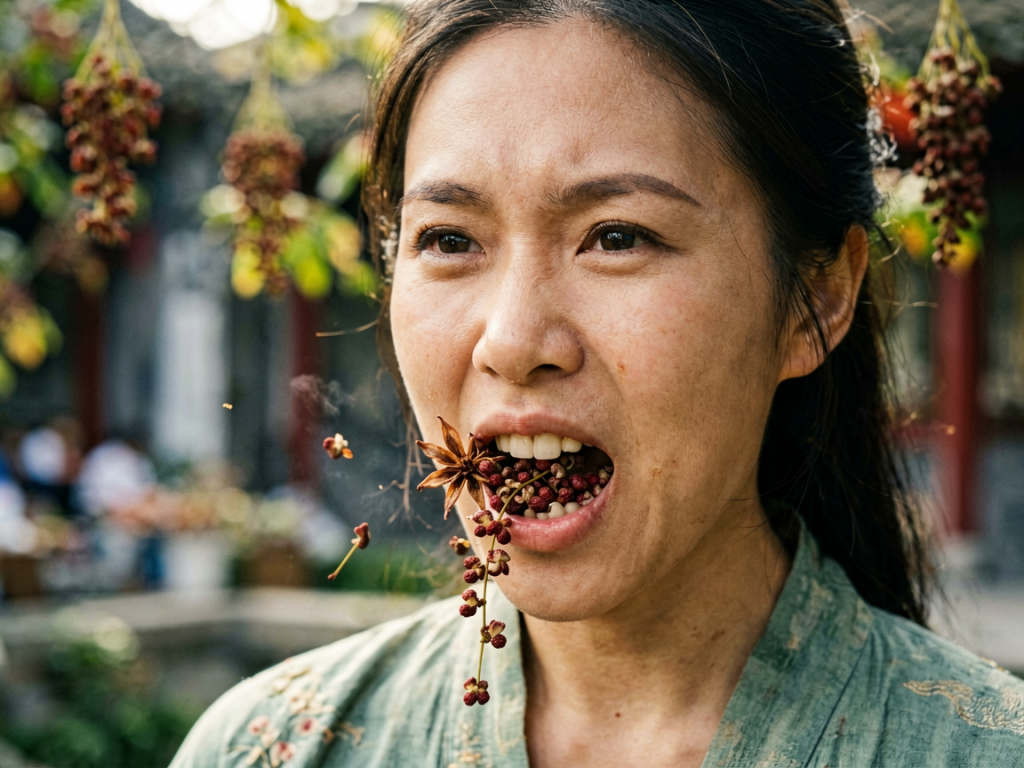
Here’s the thing about Sichuan peppercorns. If you’ve never tasted them, you might think they’re just another spice from the global pantry. You’d be wrong. They’re something else entirely. Something weird. Something magical.
I remember my first time eating proper Mapo Tofu in Chengdu. It was 2016. I was sitting in a tiny hole-in-the-wall spot near Kuanzhai Alley. The air smelled of chili oil and fermented bean paste. The dish arrived steaming hot. Red oil pooled around cubes of soft tofu.
I took a bite. My lips started tingling. Then vibrating. I thought I was having an allergic reaction. I looked around, panicked. Did I order the wrong dish? Was someone pranking me?
The waiter just laughed. He pointed to his own mouth and made a funny face. That’s when I realized it wasn’t pain. It was electricity. It was the Sichuan peppercorn doing its job.
It’s Not a Pepper At All
First off, let’s clear up the biggest misconception. Sichuan peppercorns aren’t peppers. They’re not related to black pepper or cayenne. They’re actually the dried husks of berries from the prickly ash tree.
If you buy whole Sichuan peppercorns, they look like little shriveled brown beads. Sometimes reddish-brown. Sometimes green. The red ones are sweeter. The green ones are more citrusy and intense. Both work, but they give different vibes to your cooking.
The botanical family is Rutaceae. Yes, that’s the same family as citrus fruits. Lemons, limes, oranges. That’s why good Sichuan peppercorns have a lemony aroma. Smell them before you crush them. Seriously. Close your eyes and inhale.
You should smell zest. Citrus. Pine. Maybe even a hint of floral notes. If you don’t smell anything, throw them out. They’re stale. And stale peppercorns are useless. Don’t waste your money on dusty jars from the back of your cabinet.
I used to buy them pre-ground. Big mistake. Ground spices lose their volatile oils fast. Whole peppercorns keep their punch for months if stored in an airtight container. Keep them away from light and heat. A dark cupboard is perfect.
The Science of the Buzz
So, what actually makes your tongue feel like it’s dancing? It’s a compound called hydroxy-alpha-sanshool. Sounds complicated? It is. But the effect is simple.
This compound doesn’t taste like anything in the traditional sense. It doesn’t trigger sweet, sour, salty, bitter, or umami receptors. Instead, it activates mechanoreceptors. These are the nerves responsible for touch and vibration.
Essentially, it tricks your brain into thinking your lips are vibrating. It’s a tactile sensation. Like holding a phone to vibrate mode against your skin. Except the phone is your own mouth.
This phenomenon is called paresthesia. It’s the same feeling you get after biting into too much carbonated soda. Or maybe that weird static shock you got from doorknob in winter. But it lasts longer. It lingers.
Most people find it refreshing. It cleanses the palate. It opens up your senses. That’s why it pairs so well with rich, fatty foods. The numbness cuts through the grease. It balances the heaviness.
I’m no chemist, but I know flavor balance. When you eat spicy food, capsaicin burns. It’s painful. It triggers heat receptors. Sichuan peppercorns don’t burn. They buzz. They tingle. They wake you up.
Think of it this way. Chili peppers are the fire. Sichuan peppercorns are the ice. Together, they create a sensory paradox. Hot and cold. Pain and pleasure. It’s confusing at first. But once you get it, you’re hooked.
The Ma-La Symphony
In Sichuan cuisine, there’s a term called ma-la. Ma means numb. La means spicy. These two forces work in tandem. Neither is complete without the other.
If you add too much chili without the peppercorn, it’s just hot. It’s one-note. It hurts. But add the peppercorn, and the pain transforms. The numbness dulls the sharp edge of the heat. It makes the spice manageable.
At the same time, the peppercorn adds brightness. It lifts the heavy flavors of soy sauce, vinegar, and meat. It creates layers. Complexity. Depth.
I tried making Kung Pao Chicken last week. I followed a recipe online. It had peanuts, chicken, and chilies. It tasted fine. Good, even. But it lacked soul.
So I toasted some Sichuan peppercorns in a dry pan. The kitchen filled with that citrusy pine smell. I crushed them slightly. Added them to the wok at the end. The difference was night and day.
The dish popped. The flavors danced. My tongue felt alive. It wasn’t just dinner anymore. It was an experience. That’s the power of ma-la.
Don’t rush the toasting process. Low heat is key. You want to release the oils, not burn them. Burnt peppercorns taste bitter. Bitter ruins everything. Watch them closely. They should turn slightly darker and smell fragrant. Usually takes two or three minutes. That’s it.
How to Use Them Right
Here’s where most home cooks mess up. They throw whole peppercorns into the stew and leave them there. Then they pick them out with chopsticks. That’s tedious. And dangerous. You don’t want to accidentally swallow a hard husk.
Instead, use them to infuse oil. Heat neutral oil. Add the whole peppercorns. Let them sizzle gently. Strain the oil. Now you have “Sichuan pepper oil.” It’s liquid gold.
Use this oil for cold dishes. Drizzle it over sliced cucumber and garlic. Mix it into noodles. Brush it on roasted vegetables. It adds that signature buzz without the hassle of picking out seeds later.
If you want the texture, toast and crush them lightly. Add them during the final minute of cooking. This preserves the aromatic oils. Cooking them too long kills the flavor. Remember, they’re delicate.
They also pair beautifully with fish. Steamed fish with ginger, scallions, and a dusting of crushed Sichuan peppercorn is divine. The citrus notes complement the seafood perfectly. It’s elegant. It’s fresh.
Try them with pork belly. The fat masks the intensity of the buzz. You get a subtle tingling that enhances the richness. It’s addictive. I’ve eaten it three times this month alone.
A Note on Quality
Not all peppercorns are created equal. Price matters here. Cheap ones from bulk bins are often old. They’ve been sitting there for years. The oils have evaporated. You’re paying for wood chips.
Look for recent harvests. Check the color. Bright red or vibrant green. Avoid dull, grayish tones. Smell is your best friend. If the jar is sealed, smell it. If it smells like nothing, walk away.
I buy mine from specialty Asian markets. Or online from vendors who specialize in Sichuan ingredients. It costs a bit more. But a little goes a long way. One teaspoon can transform an entire meal.
Store them properly. Air and light are enemies. Keep them in a cool, dark place. If you live in a humid climate, consider freezing them. Just make sure they’re in a truly airtight container. Moisture leads to mold. Mold is bad.
Embrace the Numbness
Initially, the sensation is startling. Your brain screams, “Something is wrong!” But give it a minute. Relax. Let the buzz settle. It’s not an attack. It’s an invitation.
It invites you to pay attention. To notice the details in your food. To slow down. To enjoy the interplay of textures and temperatures.
Chinese philosophy often talks about balance. Yin and Yang. Hot and Cold. Spicy and Numbing. Sichuan peppercorns embody this balance. They challenge your expectations. They force you to rethink what taste is.
I love that about them. They’re not passive ingredients. They demand participation. You can’t ignore them. They engage your senses directly.
Next time you’re at a Chinese restaurant, ask for the mapo tofu. Sit back. Take a bite. Feel the buzz. Smile. You’re doing it right.
Or better yet, go home. Buy some whole Sichuan peppercorns. Toast them. Crush them. Experiment. Make a mistake. Learn from it. That’s how you learn to cook.
Trust me, once you unlock the potential of these little berries, you’ll never look at spicy food the same way again. It’s not just about heat anymore. It’s about the dance. And the dance is just beginning.
So, what are you waiting for? Get to the kitchen. Your lips are itching.