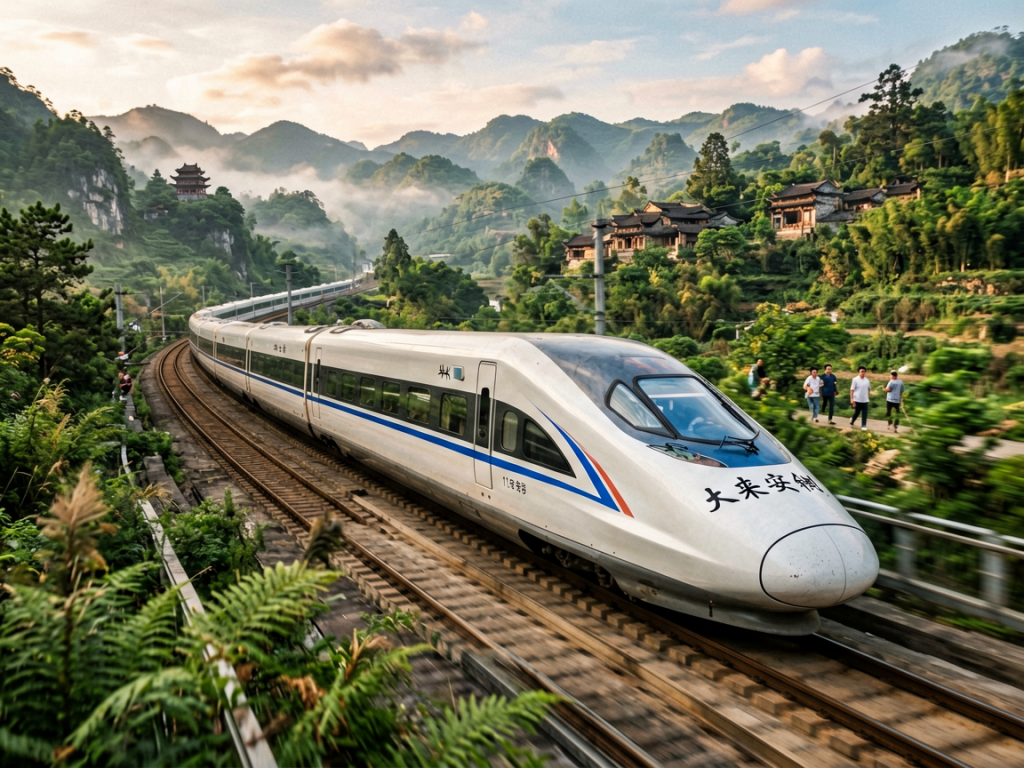
The first time I boarded a High-Speed Rail train in Shanghai, I was terrified. Not because I didn’t trust the engineering–though watching those trains glide silently past the city skyline feels like magic–but because I had no idea what to expect. I’d heard rumors of crowded carriages, rude passengers, and confusing ticketing apps. I clutched my passport like a lifeline, expecting chaos.
Instead, I found a pristine, climate-controlled cabin where people were quietly reading or sleeping. The train departed exactly on time, reached 350 kilometers per hour without a single wobble, and dropped me off in Nanjing three hours later with plenty of time for tea. It wasn’t just a train ride. It was a glimpse into how modern China actually functions.
If you’re planning a trip here, you need to understand the seating options. They aren’t just different chairs; they’re different lives. I’ve spent eight years riding these tracks from Harbin to Kunming, and I’m going to break down exactly what you’re paying for. Plus, I’ll share eleven things that won’t be in the guidebooks. Sound interesting?
Picking Your Seat: The Great Class Debate
Let’s start with the elephant in the room: which class should you choose? The difference between Second, First, and Business class is massive. It’s not just about legroom. It’s about the entire experience.
Second Class is what you see in movies. It’s the standard. The seats are arranged in a 3-2 configuration, meaning three seats on one side of the aisle and two on the other. I’ve sat here hundreds of times. It’s comfortable enough for most trips under four hours. The legroom is decent, though my knees occasionally brushed the seat in front of me when I stretched out. The recline function works, but you have to be careful not to slam it back too hard. You don’t want to ruin someone’s lunch.
The price is unbeatable, though. A ticket from Beijing to Xi’an might cost you around $90 USD. That’s cheaper than a domestic flight when you factor in airport transfers. However, if you’re traveling during Golden Week or Spring Festival, Second Class is a nightmare. You’ll be standing in the aisles or squeezed into the small space near the doors. I once spent six hours standing between Chengdu and Chongqing because the train was at 150% capacity. Trust me, avoid that if you can.
First Class steps it up significantly. The seating changes to a 2-2 configuration. This means you get two seats on either side of the aisle. The seats are wider, the fabric is softer, and the legroom is generous. You can actually stretch your legs out without feeling like you’re bothering the person next to you. There’s also a footrest, which sounds minor until you’ve been sitting for six hours straight.
I usually opt for First Class on longer journeys, say anything over five hours. The silence is different here, too. People seem to whisper more. The snacks provided are slightly better, often including a small bag of chips and a bottle of water. But the real difference is the service. The attendants in First Class tend to be more attentive. They’ll ask if you need a blanket or extra pillows. It feels less like public transport and more like a premium experience.
Then there’s Business Class. This is the luxury tier. The seats are fully reclining leather pods, often in a 2-1 configuration. You get your own privacy partition, sometimes even a door. The meal service is actual restaurant-quality food, served on china. I remember eating a hot soup and dumplings while flying past the Yellow River at 300 km/h. It felt surreal.
The price? Oh, it hurts. A Business Class ticket from Beijing to Shanghai can run you over $300. That’s double the First Class fare. But if you value your sanity and your comfort, it’s worth every penny. You get access to exclusive lounges at major stations, which means faster security checks and a quiet place to work before boarding. For frequent travelers or anyone with back issues, skip Second Class entirely. It’s just not worth the misery.
What They Don’t Tell You About the Ride
Most travel guides focus on the schedules and the prices. They miss the nuances of daily life on board. After years of riding, I’ve noticed patterns that tourists rarely catch. Here are eleven things nobody tells you about the Chinese high-speed rail experience.
First, the power outlets are everywhere now, but they’re tricky. In newer trains, you’ll find USB ports right next to the seat. Older models might have sockets behind the seats or under the armrests. I always carry a multi-port charger. If you’re sitting in the last row, you’re out of luck unless you spot an outlet in the restroom area. I’ve seen grown men camping out near the bathroom just to charge their phones. It’s a sad sight.
Second, the toilets are a shock for Westerners. Most trains use vacuum flush systems, similar to airplanes. They’re quieter and cleaner than old trains, but the smell can still linger. Always bring hand sanitizer. And please, don’t throw wet wipes or sanitary products down the bowl. They clog the system instantly. When the train stops for ten minutes, rush to the toilet. The lines get long fast.
Third, the dining car isn’t just for meals. It’s the social hub. You’ll find locals playing cards, eating instant noodles, and chatting loudly. If you want peace, avoid the Dining Car. If you want to see real Chinese culture, grab a coffee and sit there for an hour. I watched a group of elders play mahjong in the corridor once. No one stopped them.
Fourth, luggage space is limited. Overhead racks are small. If you have large suitcases, they go in the bins at the ends of the carriage. These fill up quickly. I once had to stack my bag on top of someone else’s because the bin was full. Just be polite and offer help. It builds goodwill.
Fifth, the Wi-Fi is spotty. Don’t rely on it for video calls or streaming. It’s mostly available in urban areas. Once you hit the countryside, the signal drops. I’ve lost three Zoom meetings because the train went through a tunnel in Guizhou. Bring offline entertainment.
Sixth, ticket checks are frequent. Conductors come through every two hours with handheld scanners. They scan your ID or passport. Keep it accessible. If you’re sleeping, don’t hide your ID in your bag. You’ll wake up to a polite but firm tap on your shoulder.
Seventh, the speed changes everything. Travel times are cut in half compared to traditional trains. A trip that took twelve hours now takes three. But the scenery blurs. If you want to enjoy the view, sit on the right side of the train heading south. I learned this the hard way on my first trip to Guilin. I missed the karst mountains because I was on the wrong side.
Eighth, payment methods are digital. You can’t buy tickets with cash at most counters. Use Alipay or WeChat Pay. Link your foreign credit card to them before you arrive. It’s seamless. I bought dinner on the train using Alipay while staring at a view of rice paddies. It felt like the future.
Ninth, noise levels vary wildly. Second Class is loud. Kids cry, people talk on phones, and snacks are crinkled constantly. First Class is quieter. Business Class is silent. If you’re sensitive to noise, upgrade. I once sat next to a man who listened to music without headphones at full volume. It ruined my nap. He didn’t care.
Tenth, the food is surprisingly good. Traditional train food is famous for being bland and expensive. High-Speed Rail has changed that. You can order hot meals through the app, delivered right to your seat. I tried braised pork belly with rice on a G-train from Wuhan to Changsha. It was better than some restaurants I’ve eaten at in London. Don’t eat the instant noodles if you can help it.
Eleventh, delays happen. Even on high-speed rail, accidents, weather, or mechanical issues cause delays. The app will notify you, but sometimes the announcements are in Chinese only. Ask a staff member. They’re usually helpful. I missed a connection in Zhengzhou because of a signal failure. The station staff gave me a voucher for a hotel nearby. It turned into an unexpected adventure.
The Human Element of Modern China
There’s a philosophical layer to this travel method that often gets overlooked. China’s high-speed rail isn’t just infrastructure. It’s a statement. It connects people across vast distances, shrinking a country the size of Europe into a few hours’ commute.
I’ve seen families reunite after years apart in these train stations. I’ve watched students head to universities in distant provinces. I’ve met business owners closing deals in Beijing while having lunch in Shanghai. It’s efficient, yes. But it’s also deeply human.
The etiquette on board reflects this. People queue neatly. They yield seats to the elderly and pregnant women. They lower their voices when others are resting. It’s a microcosm of Chinese society: orderly, respectful, and constantly moving forward.
Don’t be afraid to talk to strangers. I struck up a conversation with a teacher from Kunming on a trip to Lijiang. She showed me photos of her students and told me about the local schools. We swapped contact info via WeChat. Months later, I visited her hometown and she gave me a tour. These connections don’t happen if you stay in your bubble.
My advice? Book early. Prices rise as the date approaches. Pick your seat carefully. Look for Window (C/D) or Aisle (F). Avoid the last row if you hate noise. Pack snacks, just in case. And most importantly, relax. The train will get you there safely and quickly.
I still get excited when I see those white arrows painted on the tracks. They promise speed, comfort, and a slice of modern life that’s hard to beat. Whether you’re riding Second Class to save money or Business Class to treat yourself, you’re part of a system that’s reshaping how people move and live.
So, pack your bags. Check your IDs. Download the railway app. And get ready to see China from a perspective most tourists never experience. It’s not just a train ride. It’s a journey through the heart of the country. And honestly? It’s the best way to do it.