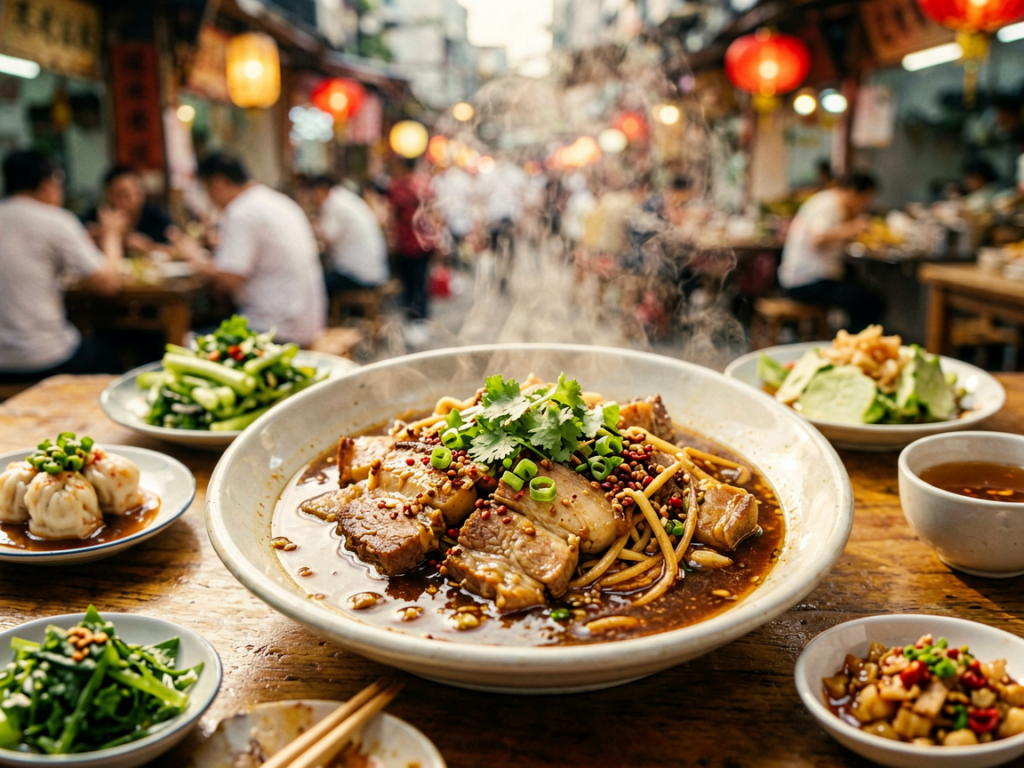
The Morning Rush is Non-Negotiable
Here’s the thing about eating in China. The restaurants are amazing, sure. But the real magic happens before you even step through the door. It happens in the damp, noisy, chaotic heart of the neighborhood wet market.
I’ve been living in China for eight years now. In that time, I’ve learned that if you want to eat like a local, you can’t rely on the sterile aisles of a Walmart or the confusing layout of a Carrefour. You need to go where the grandmas shop. You need to go to the wet market.
Walking into one feels like hitting pause on the modern world. The air is thick with humidity and the scent of raw fish. It’s loud. It’s messy. And it is absolutely essential for anyone who wants to understand Chinese food culture.
Don’t be intimidated. I was skeptical at first. The sight of live chickens being slaughtered right next to the tofu stall made my stomach turn. But once you get past the initial shock, it’s the most exciting culinary experience on the planet.
You’re not just buying groceries here. You’re buying ingredients for a story. You’re buying the freshest catch of the day, still glistening with water. You’re buying herbs that haven’t sat in a warehouse for three weeks.
What Exactly is a Wet Market?
If you’re new to this, let me clarify. A wet market, or caishi chang, is an open-air market where vendors sell fresh produce, meat, seafood, and sometimes household goods. It’s called “wet” because the floors are constantly hosed down to keep things clean and cool.
Unlike dry markets, which sell packaged goods and dried foods, wet markets are all about perishables. This is where you find the ingredients for tonight’s dinner, not last month’s meal prep.
Most Chinese cities have dozens of them. In Shanghai, they’re tucked between high-rise apartments. In Chengdu, they sprawl across old streets. In rural areas, they might just be a few plastic tables under a tarp.
The variety is insane. I remember walking into a market in Guangzhou and seeing turtles, snakes, and pangolin scales sold alongside common vegetables. It’s not for the faint of heart, but it’s authentic.
You don’t need to buy everything there, though. Many locals will buy their rice and oil from supermarkets but come here for the greens and the fish. It’s the best of both worlds.
The Seafood Section: Where Life Meets Dinner
Let’s talk about the crown jewel of the wet market. The seafood section. This is where I spend most of my time. It’s wet, cold, and smells like the ocean.
You’ll see tanks filled with crabs scuttling around. You’ll see fish swimming in shallow pools. Some vendors will ask if you want it cleaned or killed for you. Just say yes. It’s cheaper and you avoid the awkwardness.
I once bought a whole yellow croaker for twenty yuan. The vendor cleaned it in seconds, slicing the belly and removing the guts with a small knife. He handed it to me with a smile.
Try to buy fish that have bright eyes and red gills. If the eyes are cloudy, it’s old. If the gills are brown, put it back. Simple rules that save you from a bad meal.
Don’t ignore the shellfish. Clams, mussels, and oysters are usually dirt cheap here. I love steaming clams with garlic and chili. It takes ten minutes to cook and tastes like luxury.
And if you’re brave enough, try the sea cucumber. It’s gelatinous and expensive, but locals swear by its health benefits. I’m no expert, but I found the texture weird at first. Now? I kind of like it.
Produce: Forget Organic Labels, Look for Freshness
Vegetables in Chinese wet markets are different from what you’re used to. You’ll see bok choy, gai lan, and lotus root. But you’ll also see things you can’t pronounce.
My favorite spot is the herb stall. They sell cilantro, ginger, garlic, and scallions in massive piles. But look closer. You’ll find perilla leaves, wormwood, and chrysanthemum greens.
These greens aren’t just garnishes. They’re central to many regional dishes. In Yunnan, for example, flowers and fungi are staples. I once tried a stir-fry with wild mushrooms that had been dug up that morning. The earthiness was overpowering in the best way possible.
Bargain a little. Prices aren’t fixed. If you buy five different types of vegetables, ask for a discount. Most vendors will knock off a few yuan just to close the sale.
Also, pay attention to the season. Winter means root vegetables and leafy greens that can withstand the cold. Summer brings melons, cucumbers, and bitter gourd. Eating seasonally is the key to great flavor.
Meat and Poultry: Handling the Raw Stuff
This part scares some tourists. But if you’re cooking Chinese food, you need to know how to handle raw meat. The butcher stalls are precise. They cut exactly what you ask for.
Pork is king here. You’ll find every cut imaginable. Belly, ribs, trotters, ears. If you’re making braised pork belly, buy the slab and let them slice it for you.
Chicken is often sold live or freshly killed. You can point to a bird in the cage and tell them what you want done. It’s fast. It’s efficient.
I used to hesitate buying beef. It’s expensive and sometimes hard to find fresh. But in southern China, beef markets are common. The meat is tender and well-aged. Try it in a hot pot.
Always check the color. Beef should be bright red, not dark or brownish. Pork should be pink, not gray. Trust your eyes. If it looks dull, walk away.
Street Food Snacks: Breakfast of Champions
You can’t leave a wet market without eating. These places double as breakfast hubs. Vendors sell steamed buns, fried dough sticks, and soy milk right on the pavement.
I’ve had my best breakfasts here. Jianbing, the savory crepe, is usually made fresh while you wait. It’s crispy, savory, and packed with egg and cilantro.
Try the sticky rice dumplings. They’re wrapped in bamboo leaves and steamed. Sweet or savory, they’re comforting and filling. I ate them almost every morning when I first moved to Beijing.
Hot tea is always available. Vendors will pour you a cup of jasmine or green tea to wash down the greasy food. It’s a nice touch. It shows hospitality.
Bring cash. While digital payments are everywhere, small vendors in older markets still prefer coins or small bills. It’s easier for everyone involved.
How to Talk Your Way Through
You don’t need fluent Mandarin, but knowing a few phrases helps. “Duoshao qian?” (How much?) is essential. “Pingyi dian” (A bit cheaper) works for bargaining.
Pointing is universal. If you see something you like, point to it. Smile. It goes a long way.
Learn the names of common vegetables. “Qiezi” is eggplant. “Hongshu” is sweet potato. Using these words shows respect and gets you better service.
Don’t be afraid to ask questions. How do you cook this? What goes well with that? Locals love sharing recipes. It’s a proud tradition.
Final Thoughts: Embrace the Chaos
Wet markets aren’t perfect. They’re dirty, loud, and sometimes overwhelming. But they’re alive. They connect you to the rhythm of daily life in China.
When you cook with ingredients bought there, you taste the difference. The vegetables are crunchier. The fish is sweeter. The meat is richer.
I encourage you to go out early. Go when the sun is just coming up. Watch the vendors set up their stalls. Listen to the haggling. Feel the energy.
It’s not just shopping. It’s an immersion. It’s a lesson in patience, negotiation, and appreciation for food.
So next time you’re in a Chinese city, skip the mall. Head to the neighborhood market. Bring an empty bag. And get ready to eat.
You’ll come back tired, soaked in sweat, and utterly satisfied. That’s the wet market experience. And I wouldn’t trade it for anything else.