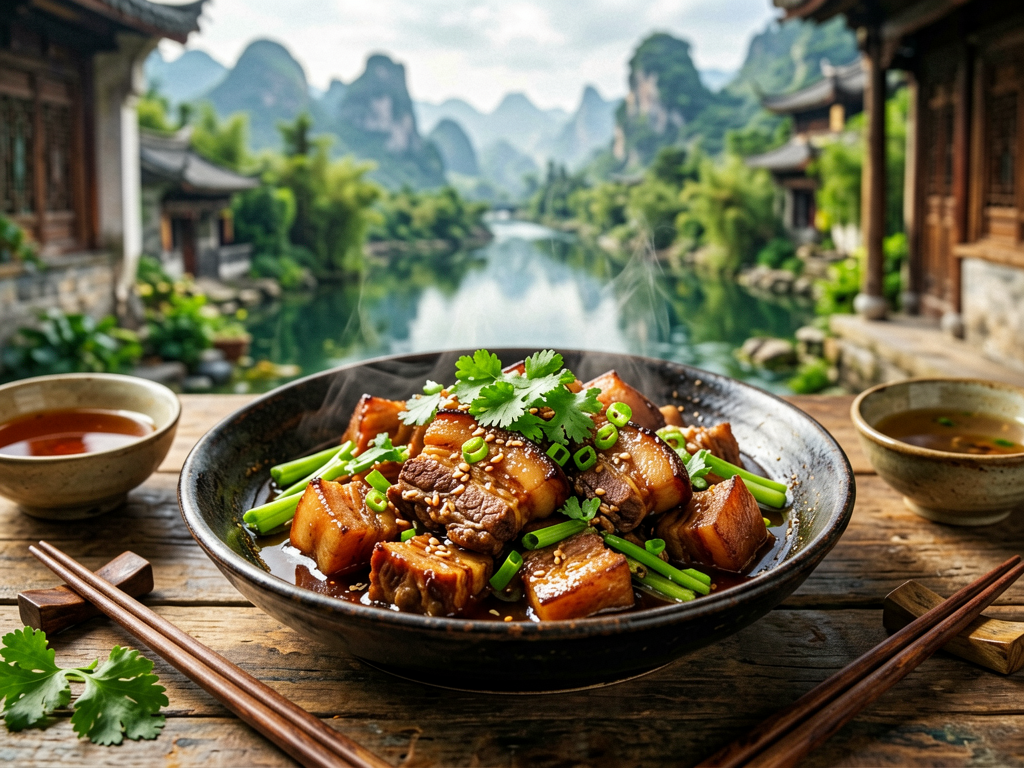
I still remember the first time I almost walked past a steaming cart in Xi’an. It was raining, hard. The kind of rain that soaks through your shoes and makes you question every life choice that led you to be standing there in a plastic poncho. But the smell? It was earthy, spicy, and deeply comforting.
Inside that pot was a stew I’d never seen on any menu. No dumplings, no noodles, just chunks of braised meat and potatoes in a dark, rich broth. I ate it standing up. It was $2. It’s probably the best meal I’ve ever had for that price.
That’s the thing about Chinese food outside of China. We get the safe stuff. Kung Pao chicken. General Tso’s. Spring rolls. You know what I mean? It’s good. It’s familiar. But it’s not the real deal.
I’ve spent the last eight years living in China. I’ve eaten in Michelin-starred restaurants in Shanghai. I’ve also eaten street food from guys who haven’t washed their hands in what feels like decades. And let me tell you, the street food often wins.
If you think you know Chinese cuisine because you’ve been to a buffet or a delivery app, you’re missing out. The real magic happens in the small, unmarked shops. The places where the menu is handwritten on a chalkboard and the only English is the word for “spicy.”
I’m going to share some dishes with you today. These aren’t the ones you’ll find on every English-language menu. These are the ones that locals love. These are the ones that will change your perspective on what this cuisine can actually be.
### The Pig’s Foot Paradox
Let’s talk about trotters. I know, I know. You’re thinking about feet. You’re thinking about cartilage and weird textures. I was the same way. I was skeptical. I really was.
But then I tried it in Chengdu. It wasn’t just boiled feet. It was braised in a complex sauce of star anise, cinnamon, soy sauce, and chili oil. The result? Gelatinous perfection.
The texture is what gets you. It’s not chewy in a bad way. It’s smooth. It melts in your mouth. The fat renders down into something luxurious, not greasy. I remember sitting in a tiny plastic stool restaurant, watching a group of locals finish their plates. They were slurping the broth, picking the bones clean.
I took a bite. And I was hooked. It’s rich. It’s savory. It’s deeply satisfying in a way that steak or chicken just isn’t. If you’re afraid of trying it, you’re only stopping yourself from experiencing one of China’s greatest culinary joys.
And don’t worry about the bones. You don’t eat them. You suck the marrow and the connective tissue. It’s an exercise in patience. And reward.
### Silken Tofu with a Kick
You probably think of tofu as bland. White. Squishy. Boring. That’s because you’ve had the American version. Or the bad Chinese version.
Real silken tofu, especially the spicy version found in Sichuan and Hunan, is a revelation. It’s not just tofu. It’s a canvas for flavor.
I’ll never forget a lunch in Wuhan. The shop was tiny. The air conditioning didn’t work. But the tofu was cold, smooth, and sitting in a pool of chili oil, fermented bean paste, and scallions.
The contrast is key. The tofu is cool and delicate. The sauce is hot and aggressive. You mix them together, and it creates this perfect balance. It’s light, but it’s packed with umami.
This dish is everywhere in China. It’s called Liangban Futou. It’s a starter. It’s a side. It’s a meal if you’re hungry enough. And it’s cheap. Like, really cheap.
I eat this at least once a week now. It’s my go-to when I’m tired of heavy meats. It’s refreshing. It wakes up your palate. And it proves that you don’t need complex ingredients to make something amazing. Sometimes, simple is better.
### The Mystery of Duck Blood
Okay, this one is hard. I’m not going to lie to you. If you’re squeamish, skip this section. But if you’re curious, read on.
Duck blood. In China, it’s not just a byproduct. It’s a delicacy. It’s often served in hot pot. Or in soups. Or stir-fried with celery.
The first time I saw it, it looked like… well, blood. It was dark red. Jiggly. I hesitated.
But here’s the thing. It doesn’t taste metallic. It doesn’t taste like iron. It tastes like… nothing. And everything at the same time.
It’s incredibly soft. Almost creamy. It absorbs the flavors of the broth around it. So if you put it in a spicy hot pot, it becomes spicy. If you put it in a clear broth, it takes on that subtle, clean taste.
I’ve had it stir-fried with celery in Beijing. The celery adds a nice crunch. The blood adds a smoothness. It’s a texture play.
Why is it underrated? Because people assume it’s gross. But once you try it, you realize it’s just another protein. Like tofu, but denser. Like tripe, but smoother.
It’s a rite of passage. If you want to feel like a local, order a plate of duck blood. Watch the locals eat it. Then do the same. You’ll feel a surge of pride. And satisfaction.
### Cold Noodles with Sesame Paste
Summer in China is hot. Humid. Miserable. You don’t want to cook. You don’t want to eat anything heavy.
Enter Liangmian. Cold noodles.
These aren’t your Italian pasta salads. These are wheat noodles, boiled, then cooled in ice water. Then dressed in a sauce that is pure sesame paste, garlic, vinegar, chili oil, and sugar.
The sauce is thick. It coats every strand. The sesame paste is nutty and rich. The vinegar cuts through the heaviness. The chili oil adds heat.
I’ve eaten these on street corners in Nanjing. In parks in Hangzhou. In dorm rooms in Beijing. They are universal.
The beauty of this dish is in its simplicity. You don’t need a kitchen. You don’t need heat. You just need noodles and sauce.
And the taste? It’s addictive. I’ve had plates of this for dinner when I was too lazy to go to a restaurant. It’s quick. It’s cheap. It’s delicious.
Try it with a side of cucumber strips. The crunch contrasts with the soft noodles. It’s refreshing. It’s light. It’s perfect for a hot day.
### The Unexpected Sweetness of Luosifen
Now, this one is controversial. I’ll admit it. Luosifen, or snail rice noodles, smells… intense.
I’ve heard people say it smells like rotten eggs. Or sewage. I get it. The smell is strong. It comes from the fermented bamboo shoots.
But the taste? It’s incredible.
This dish is from Liuzhou, in Guangxi province. It’s a spicy, sour, umami bomb. The broth is made from river snails. The noodles are rice noodles. The toppings include peanuts, tofu skin, and that infamous bamboo shoot.
The first time I tried it, I was terrified of the smell. I closed my eyes. I took a sip.
And I was blown away.
The broth is complex. It’s savory. It’s spicy. It’s sour. It’s sweet. It’s everything. The bamboo shoots add a tangy crunch. The snails are small, but they add depth.
Why is it underrated? Because the smell scares people off. But if you can get past that, you’re in for a treat.
It’s popular on TikTok now. People film themselves eating it. The reactions are mixed. But the fans? They’re loyal. They’re addicted.
I’m one of them. I’ve ordered Luosifen online when I couldn’t find a shop. I’ve eaten it in dirty alleyways. It’s worth it.
### Why We Miss Out
We get so caught up in the famous dishes. We want to try the Peking Duck. We want to try the Dim Sum. We want to check off the boxes.
But in doing so, we miss the everyday magic. We miss the dishes that locals eat every day. The ones that don’t have a fancy name or a long history.
These underrated dishes are honest. They’re straightforward. They’re focused on flavor and texture.
They don’t try to impress you with presentation. They just want to feed you. And they do it well.
### Give It a Shot
Next time you’re in China, or even at a Chinese restaurant near you, look beyond the menu. Ask for what the locals are eating.
Ask for the trotters. Ask for the cold noodles. Ask for the snail noodles, even if you’re scared of the smell.
You might be surprised. You might not like it. But you’ll know. And that’s better than staying in your comfort zone.
Food is about experience. It’s about connection. It’s about trying something new.
So go out there. Eat the weird stuff. Eat the simple stuff. Eat the stuff that smells like socks.
You won’t regret it. I promise.