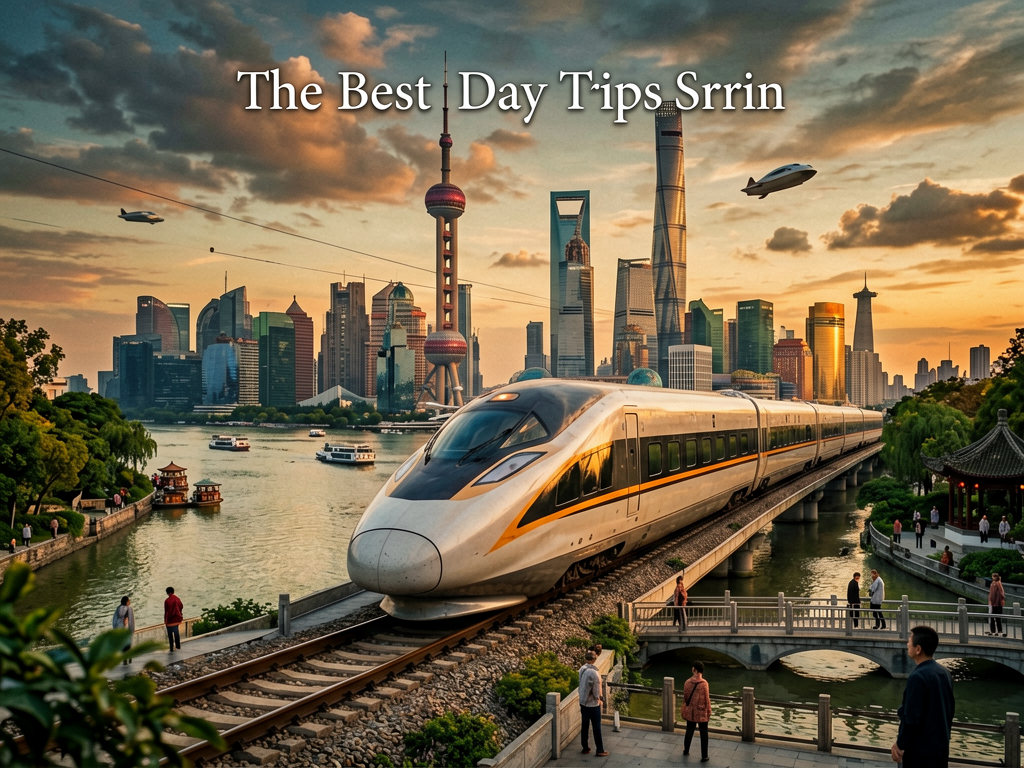
Look, I get it. Shanghai is incredible. The skyline at night looks like a scene from a sci-fi movie, and the coffee scene is better than most cities in Europe. But after living here for eight years, I’ve reached a point where I need to breathe. I need to see something that isn’t made of steel and glass. I need to hear silence, or at least the sound of water lapping against old stone.
The beauty of living in the Yangtze River Delta is that you’re never far from something beautiful. You don’t need a plane ticket or a week off work. You just need a few hours and a valid ID. The high-speed rail network here is so dense and efficient that it feels like cheating. I’ve taken dozens of these trips, and I’m going to share the ones that actually stuck with me.
These aren’t the overly commercialized spots that pack in thousands of bus tourists. These are places where I’ve sat with a local, eaten something cheap and delicious, and felt like I stepped back in time. If you’re in Shanghai and feeling trapped by the hustle, here are my top picks for escaping the city by train.
Wuzhen: The Water Town That Got It Right
I’ll be honest, I was skeptical about Wuzhen when I first visited. Every Chinese city seems to have a “ancient town” now, and many of them are just modern buildings painted brown to look old. But Wuzhen is different. It’s the only one that feels like it actually matters.
There are two parts to Wuzhen: Dongzha and Xizha. Dongzha is the free, touristy part with souvenir shops and street food. It’s fine for a quick walk, but it’s crowded. Xizha, the paid section, is where the magic happens. It’s quieter, better preserved, and the night views are absolutely worth the entrance fee.
I took the train from Shanghai Hongqiao to Tongxiang, which took about thirty-five minutes. From there, it’s a short taxi ride to the scenic area. Don’t bother with the shuttle bus if you can avoid it. The taxi drivers here are used to tourists and won’t rip you off if you just ask for the ticket office.
What blew me away was the evening atmosphere. During the day, it’s busy. But once the tour groups leave around five, the lights come on, and the water turns into a mirror. I spent an afternoon drinking tea at a riverside cafe, watching fishermen mend their nets. It’s slow. It’s peaceful. It’s the antidote to Shanghai’s pace.
Food-wise, try the Wuzhen braised duck. It’s sweet and tender, served with sticky rice. It’s not fancy, but it’s perfect comfort food. I also loved the fresh river fish, steamed with ginger and scallions. The portion sizes are generous, so you can share a few dishes and still have room for dessert.
Huangshan: Mountains That Feel Like a Painting
If you want a physical challenge and some serious awe, head to Huangshan. I know, I know. Huangshan means “Yellow Mountain,” and yes, it’s famous. But seeing it for the first time still stops me in my tracks. The granite peaks rise out of the clouds like fingers reaching for the sky.
Getting there is easy. You take the high-speed train from Shanghai to Huangshan North. The trip takes about three hours. It’s a solid investment of time because the scenery outside the window changes from urban sprawl to rolling hills and green valleys. It’s a gradual transition that gets you in the mood.
Once you arrive, you’ll need to take a bus to the mountain base, and then a cable car up. Please, take the cable car. I tried hiking up once, and I regretted it immediately. My legs shook for two days. The cable car is cheap, fast, and saves your energy for the actual climbing.
The trails are well-marked and paved. You’ll walk through forests of pine trees that look twisted and ancient, clinging to the rocks. The “Sea of Clouds” is the main event. If you’re lucky, you’ll wake up to a view where the peaks are just islands in a white ocean. It’s surreal.
I stayed overnight on the mountain. It’s pricier than a hostel in Shanghai, but it’s worth every penny to avoid the morning rush. The sunrise at Bright Summit is non-negotiable. You’ll be cold, and you’ll be tired, but when the sun hits the golden peaks, you’ll understand why Chinese painters have been obsessed with this place for centuries.
Just a heads-up: pack your own water and snacks. The prices up there are inflated, and the lines for food can be long. A bag of nuts and some fruit will keep you going while you hike the West Sea Grand Canyon. It’s a steep drop, and the views are terrifyingly beautiful.
Jiaxing: The Quiet Neighbor
Sometimes you don’t want to go far. Sometimes you just want a change of scenery that’s twenty minutes away. Jiaxing is that place. It’s on the way to Hangzhou, so it’s a common stop, but most people skip it. That’s your advantage.
The train ride is incredibly short. I think it’s less than twenty minutes from Shanghai to Jiaxing South. I’ve lost track of how many times I’ve popped over for a weekend lunch. It’s the perfect low-stakes escape.
The main attraction is Nanxiang, but it’s small. Instead, I recommend exploring the city center and then heading to the moon tower park. It’s a classic Chinese garden, small but intricate. You can wander through pavilions and over bridges in under an hour.
But the real reason to go is the food. Jiaxing is famous for Zongzi, the sticky rice dumplings wrapped in bamboo leaves. There’s a specific shop near the old city walls that makes them legendary. I’m talking about the pork belly version, where the fat melts into the rice, making it rich and savory. It’s heavy, but it’s amazing.
I often pair a visit to Jiaxing with a walk along the Grand Canal. The water is cleaner here than in some parts of Shanghai, and the old bridges are lovely. You can rent a bicycle and ride along the banks. It’s flat, easy, and relaxing. You’ll see locals dancing in the square and kids playing, which is a nice reminder of daily life outside the business districts.
If you’re short on time, this is your best bet. You can leave Shanghai in the morning, eat lunch, wander for three hours, and be back home by dinner. It’s efficient, cheap, and surprisingly charming. Don’t underestimate the power of a nearby town.
Shaoxing: Where the Wine Flows and History Lingers
This might be my personal favorite, though it’s a bit of a trek. Shaoxing is about an hour and a half by train from Shanghai. It’s the hometown of Lu Xun, China’s greatest modern writer, and it’s famous for its yellow wine.
The vibe here is distinctly different from Shanghai. It’s older, slower, and a bit grittier in a good way. The streets are narrow, lined with white-washed walls and black-tiled roofs. You’ll see women washing clothes in the canals, just like they did a hundred years ago. It feels authentic.
I love wandering through Lu Xun’s hometown. It’s a series of small courtyards and old houses. It’s not huge, but it’s dense with history. You can see where he studied, where he lived, and even read excerpts from his stories on the walls. It’s a great mix of literature and travel.
But let’s talk about the wine. Shaoxing wine is strong. It’s not like the beer you drink with dumplings. It’s a rice wine that’s aged for years, often served warm. I tried it with a local chef who told me it helps with circulation. I felt the warmth spread through my chest, and I felt a bit dizzy, which is normal.
Pair the wine with stinky tofu and fennel beans. Yes, stinky tofu. It smells terrible, but it tastes like umami heaven. The tofu is crispy on the outside and soft on the inside, soaked in a spicy sauce. It’s an acquired taste, but once you get it, you’ll crave it. I’ve tried to make it at home, and it just doesn’t compare.
Shaoxing also has beautiful water towns, like Wuzhen, but without the polish. It’s rawer. I spent an afternoon boating down a small canal, listening to the opera piped from a nearby teahouse. The singers were off-key, but they were passionate. It was a perfect snapshot of local life.
If you have a full day, this is the trip to take. It offers culture, history, and a bit of a buzz. Just be careful with the wine. It sneaks up on you. I had to take a nap after lunch one time. It wasn’t pretty, but it was memorable.
Final Thoughts on Getting Out
There’s a misconception that you need to go to Tibet or Yunnan to find beauty in China. That’s just not true. The region around Shanghai is incredibly rich. You have mountains, water, history, and food all within a two-hour radius.
The key is to go with the right mindset. Don’t treat it like a checklist. Spend time in one place. Sit in a cafe. Talk to a vendor. Watch the water. That’s where the real experience is.
Also, buy your train tickets in advance. During holidays, they sell out fast. I use the 12306 app, which is the official rail site. It has an English version now, and it’s secure. No need to go through third-party agents who charge extra fees.
Shanghai is a city that never sleeps, but you don’t have to join it. Sometimes, the best thing you can do is step away, breathe, and remember that the world is bigger than the Bund. I hope you try one of these trips. You won’t regret it.