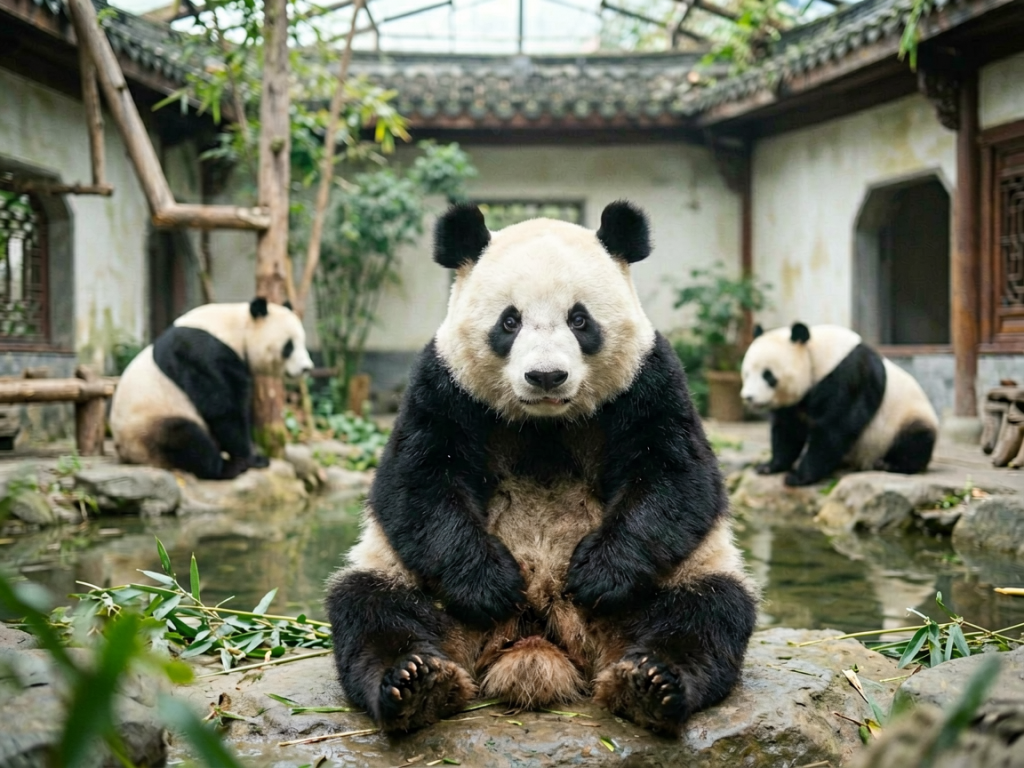
Here’s the thing about pandas. They’re cute. Undeniably. But if you show up at Chengdu’s Panda Research Base at 10 AM on a Saturday in July, you’re not going to see cute. You’re going to see a stampede of selfie sticks and sweat-soaked tourists fighting for a two-second glimpse of a sleepy bear.
I’ve lived in China for eight years. I’ve seen a lot of tourist traps. Some are fun. This one? It’s a machine. A highly efficient, well-funded, and incredibly popular machine. But don’t let that scare you off. The giant panda is China’s crown jewel. It’s a symbol of conservation success and national pride. You need to see them.
Just do it right. Do it early. Do it with a plan. That’s the secret.
Why the Early Bird Gets the Bear (and the Bamboo)
I’ll be honest with you. I used to be lazy. I’d sleep in. I’d grab a late breakfast. I’d wander into the Base around 9:30 AM, thinking, “It’s only a two-hour drive from the city. No big deal.”
I was wrong. Big time. By the time I arrived, the main bamboo groves were already packed. The pandas? They were hidden behind thick foliage or just sleeping in the shade, ignoring the crowd. All I saw was the backs of heads and the occasional flash of a camera.
The pandas are morning creatures. They eat, they play, they sleep. By 10 AM, most of them are done with their breakfast and are heading to their siestas. If you want to see them active, you need to be there when the gates open. Usually, that’s 7:30 AM or 8:00 AM depending on the season.
Here’s what I learned the hard way. On my second visit, I woke up at 6:30 AM. I had a simple breakfast of congee and pickles at a small shop near my hotel. Then I hopped on the metro. It’s clean, cheap, and efficient. The Line 3 train to the Base station is already filling up with locals. That’s a good sign. It means you’re doing it right.
By 7:45 AM, I was in line. The line moved fast. The staff were efficient. They scanned tickets, checked IDs, and got people moving. Within ten minutes, I was inside. The air was cooler. The light was soft. And the paths were empty. That’s when the magic happens.
You can actually hear the birds. You can actually see the bamboo swaying in the breeze. And you can actually see the pandas. Not as a blur of black and white in the distance, but up close. Eating. Chewing. Being wonderfully, awkwardly clumsy.
Navigating the Maze Without Losing Your Mind
Let’s talk about the layout. The Base is huge. It’s not a small zoo exhibit. It’s a sprawling complex of hills, valleys, and bamboo forests. If you don’t plan, you’ll waste hours walking uphill in the heat.
The key is to go straight for the Giant Panda Breeding Base, which is the main section. Don’t get distracted by the signs for other areas until you’ve seen the main stars. The map at the entrance looks complicated. Ignore it for the first ten minutes. Just follow the main path uphill.
I recommend getting the electric cart ticket. It costs extra, maybe 30 or 40 RMB, but it’s worth every penny. The hills are steep. Your legs will thank you. The cart drops you off at the upper viewing platforms. From there, you can walk down through the bamboo forests.
Trust me. Walking down is easier than walking up. Plus, the viewing platforms are often where the pandas spend their time. They love the shade. They love the height. They love the cool air. It’s their natural habitat, essentially.
I remember one specific moment. I was standing on a wooden platform, leaning against the railing. A giant panda, maybe three years old, waddled into view. He was alone. He stopped. He looked at me. I swear he looked at me. Then he sat down and started scratching his ear with his hind leg. It was so human. So relatable. I forgot I was a tourist. I just felt like I was visiting a neighbor.
That’s the feeling you’re chasing. Not just the photo. The connection. The realization that these animals are intelligent, playful, and deeply relaxed. They aren’t performing. They’re just living. And you’re lucky enough to watch.
The Red Pandas: Don’t Skip Them
Most people ignore the red pandas. They’re smaller. They’re less famous. They’re harder to spot. But I think they’re more fun. And honestly, they’re easier to see because there are fewer people chasing them.
After you’ve seen the giant pandas, take a break. Head to the red panda area. It’s a bit further away. You’ll need to take another cart or walk a bit. But it’s worth it.
Red pandas are little fluffballs. They’re agile. They climb. They’re constantly moving. It’s like watching a cartoon character come to life. They don’t have the lazy charm of their giant cousins. They have energy. They have personality.
I spent twenty minutes just watching a mother red panda carry her cub. The cub was tiny. It clung to her back like a backpack. The mother paused to sniff the air. Then she kept moving. It was a masterclass in parenting. And it was free. Included in your ticket.
Don’t rush this part. Sit on a bench. Have a water. Watch. The red pandas are shy. If you move too much, they’ll hide. Be still. Be patient. They’ll come out. They always do.
Food, Souvenirs, and the Reality of the Gift Shop
Now, let’s talk about the stuff they sell. The gift shops are everywhere. They’re well-stocked. They’re clean. And they’re expensive. If you’re not careful, you’ll spend a fortune on plush toys.
I get it. You want a souvenir. You want to remember the trip. But here’s a tip. Buy one thing. Just one. Maybe a small plush panda. Maybe a keychain. Don’t buy the giant stuffed animals. You’ll regret it when you’re trying to fit it into your luggage back in the city.
As for food. The options inside the Base are limited. There’s a cafeteria. It’s okay. The noodles are decent. The rice dishes are standard. Don’t expect gourmet. You’re in a zoo. Expect to pay 30-40 RMB for a meal. It’s fair. It’s not a scam.
But if you want real Chengdu food, save it for later. There are amazing restaurants near the metro station. Or better yet, go back to the city center. Try the hot pot. Try the mapo tofu. Try the dan dan noodles. That’s the real Chengdu experience. The pandas are the highlight, but the food is the soul.
I had a bowl of dan dan noodles the evening after my panda visit. It was spicy. It was numbing. It was perfect. I sat there, full and happy, thinking about the lazy panda scratching his ear. It was a good day.
Final Thoughts: Is It Worth the Hype?
I could be wrong. But I think the hype is justified. Seeing a giant panda in the wild–or what passes for the wild in a research base–is a special experience. It’s rare. It’s beautiful. It’s a reminder of how much we can protect if we try.
But it’s not just about the pandas. It’s about the effort. The scientists, the keepers, the researchers. They work hard. They care. You can see it in the clean enclosures. In the healthy animals. In the careful planning.
So, go. Go early. Go with an open mind. Go with comfortable shoes. And leave your expectations at the gate. Don’t expect a show. Expect a moment. A quiet, beautiful moment with one of the world’s most beloved creatures.
It’s worth it. I promise. And when you’re done, go eat some noodles. You’ve earned it.