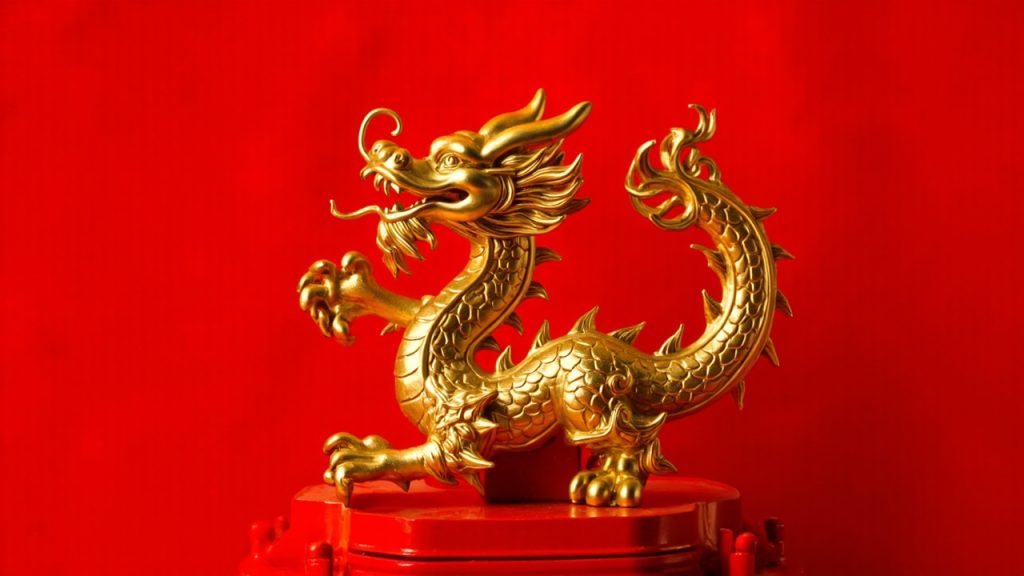
The Chinese dragon, known as long, is one of the most iconic and powerful symbols in Chinese culture. Unlike the fearsome dragons of Western mythology that hoard treasure and breathe fire, Chinese dragons are benevolent creatures associated with power, wisdom, good fortune, and natural forces. The dragon holds a central place in Chinese art, literature, festivals, and daily life, and understanding its symbolism provides essential insight into Chinese culture.
The origins of the Chinese dragon can be traced back over 7,000 years to Neolithic cultures that created dragon-shaped artifacts. The earliest dragon images were likely inspired by a combination of real animals including snakes, crocodiles, and rainbows. Over centuries of cultural development, the dragon evolved into its familiar form: a long, serpentine body covered in scales, four legs with claws, a horned head, and the ability to fly and control weather. The dragon became associated with yang masculine energy, with the phoenix representing yin feminine energy, forming a complementary pair that symbolizes harmony and balance.
Dragon Symbolism in Chinese Culture
The Chinese dragon carries multiple layers of symbolic meaning that have developed over thousands of years. The dragon is most famously associated with imperial power, serving as the emblem of the emperor and the symbol of imperial authority for most of China dynastic history. The imperial throne was called the dragon throne, the emperor face was called the dragon face, and his robes were decorated with five-clawed dragons that only the emperor could use. Beyond imperial symbolism, the dragon represents strength, courage, and perseverance. The Chinese people often refer to themselves as descendants of the dragon, a phrase that expresses cultural identity and national pride. The dragon also controls rainfall and water sources, making it an important figure in agricultural communities where rain determines the success of harvests. Dragon dances and ceremonies to honor the dragon are performed to bring rain during droughts and to ensure bountiful harvests.
Types of Chinese Dragons
Chinese mythology recognizes several types of dragons with different roles and characteristics. The Celestial Dragon, Tianlong, guards the heavenly palaces and pulls the chariots of gods. The Spiritual Dragon, Shenlong, controls wind and rain and is responsible for weather patterns that affect the earth. The Earth Dragon, Dilong, governs rivers, springs, and waterways, and was believed to determine the flow of qi energy beneath the earth surface. The Dragon of Hidden Treasures, Fuzanglong, guards precious metals and gems buried beneath the earth. Beyond these mythological categories, dragons are also classified by their number of claws. Five-clawed dragons were reserved for imperial use, while four-clawed and three-clawed dragons were used by nobility and commoners respectively. This claw count system regulated the display of dragon imagery and reinforced social hierarchy.
Dragon Festivals and Celebrations
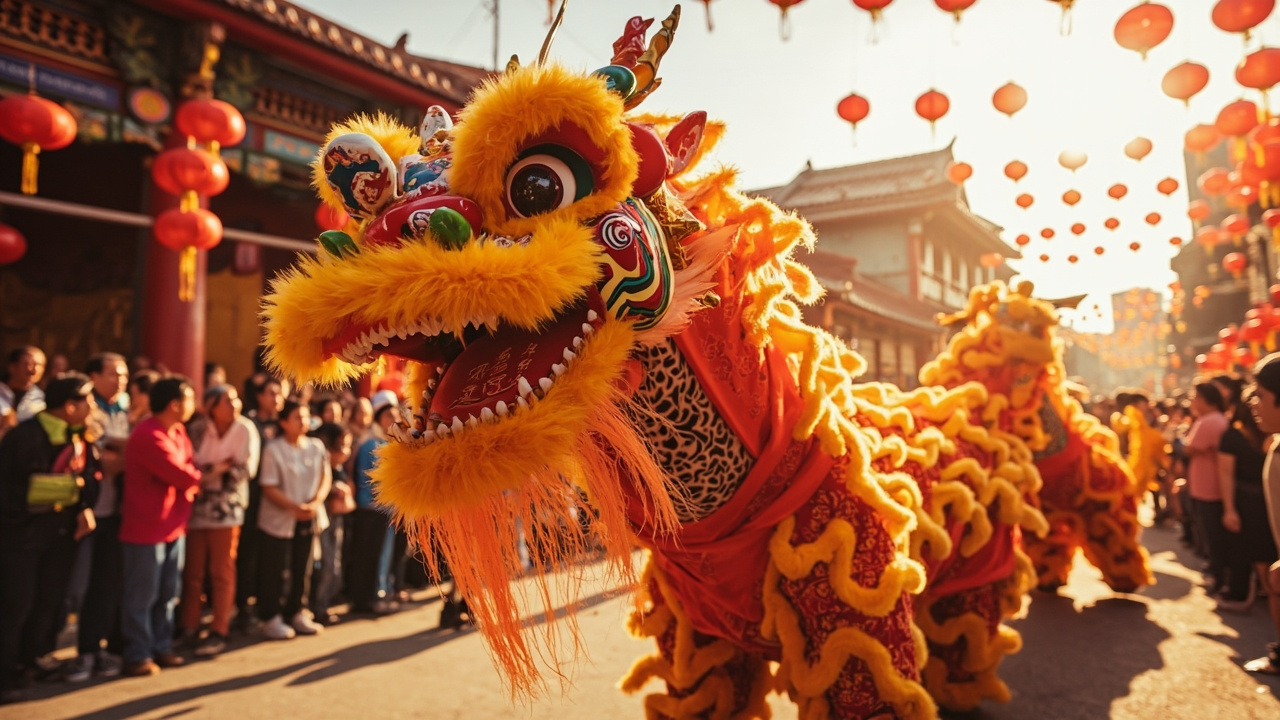
Dragons feature prominently in Chinese festivals and celebrations throughout the year. The Dragon Boat Festival, held on the fifth day of the fifth lunar month, is one of China most important traditional festivals, featuring dragon boat races that commemorate the poet Qu Yuan. The boats, decorated as dragons, race to the beat of drums while teams paddle in synchronized rhythm. The Dragon Dance is performed during Chinese New Year and other important celebrations, with a team of dancers manipulating a long dragon puppet on poles, creating the illusion of a dragon undulating through the streets. The dance is believed to bring good luck and drive away evil spirits. The dragon is also celebrated in temple festivals throughout China, where communities honor local dragon deities through offerings, processions, and theatrical performances that have been passed down for generations.
Dragons in Chinese Art and Architecture
Dragon imagery appears throughout Chinese art and architecture, from imperial palaces to folk crafts. The Nine Dragon Wall in Beijing Forbidden City is one of the most famous examples, displaying nine dragons playing in the waves on a glazed ceramic screen. Dragon pillars, carved from single pieces of stone, support the roofs of important buildings throughout China. Dragon motifs appear in embroidery, porcelain, jade carving, lacquerware, and all forms of Chinese decorative arts. The dragon is also one of the 12 animals of the Chinese zodiac, and people born in the Year of the Dragon are believed to be ambitious, confident, and destined for success. Dragon images are popular decorations in homes and businesses, believed to attract good fortune and prosperity.
Conclusion
The Chinese dragon remains a living symbol that continues to evolve while maintaining its essential cultural significance. From ancient mythology to modern national identity, the dragon represents the continuity of Chinese civilization and the values that have sustained it for thousands of years. Understanding the dragon symbolism opens a window into Chinese culture that enriches all other experiences in China.