If there is one dish that captures the soul of Shanghai cuisine, it is Xiaolongbao (小笼包), the legendary soup dumpling that has enchanted food lovers around the world. These delicate, pleated parcels of joy hide a piping-hot pool of savory broth inside a paper-thin wrapper, crowned with a tender pork filling. Whether you call them soup dumplings, steamed buns, or XLB, mastering Xiaolongbao is a culinary rite of passage worth every minute of practice.
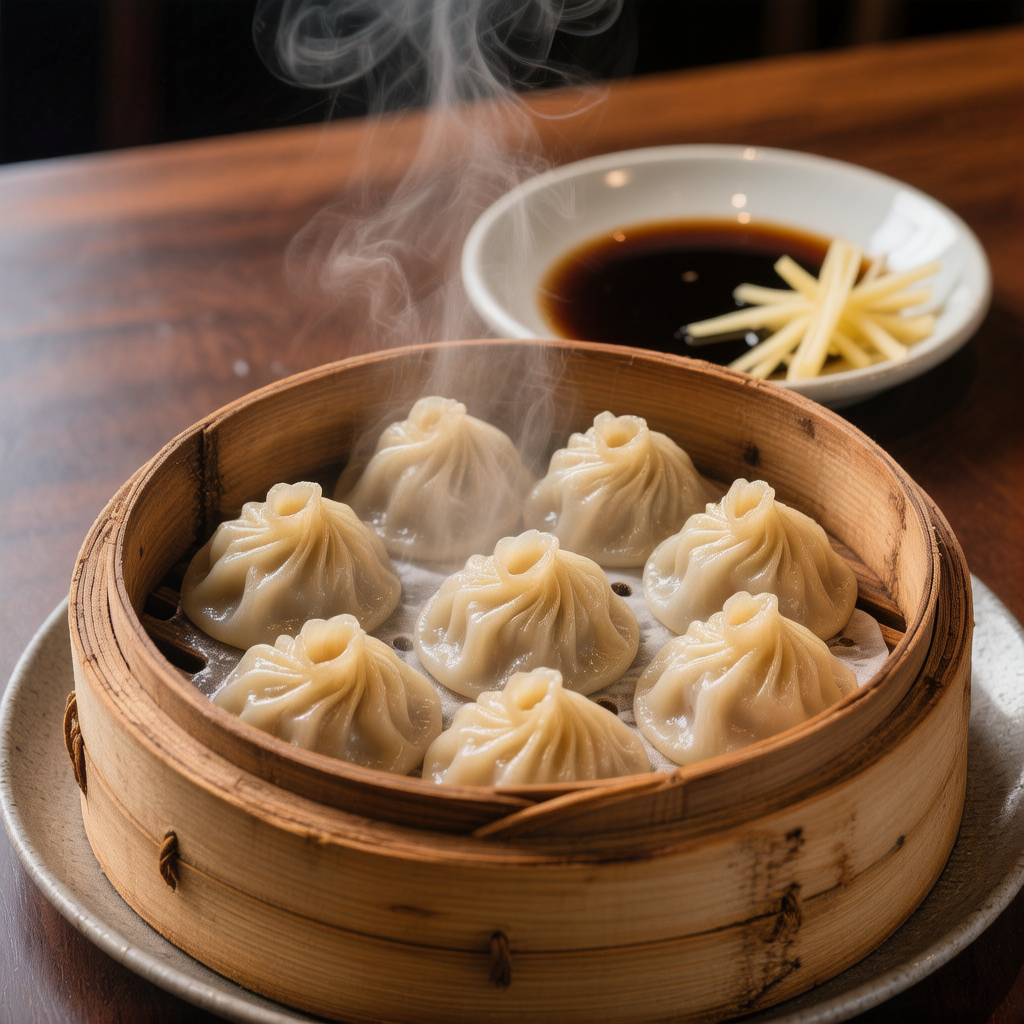
What Are Xiaolongbao?
Xiaolongbao, literally “small basket buns,” originated in the Jiangnan region around Shanghai during the late 19th century. Traditionally steamed in small bamboo baskets (xiaolong), these dumplings are distinguished by their thin, elastic dough and the magical gelatin-rich broth that turns liquid during steaming. Unlike other Chinese dumplings, the real art of Xiaolongbao lies in the aspic — a solidified stock made from pork skin and bones that melts into soup when heated.
The most famous variety comes from Nanxiang, a suburb of Shanghai, where the original recipe called for a filling of pork mince wrapped in a thin skin with a rich pork skin aspic. Over time, variations have emerged, including crab roe Xiaolongbao and even truffle-infused versions at high-end restaurants.
The Essential Ingredients for Authentic Xiaolongbao
Making Xiaolongbao from scratch requires patience and quality ingredients. Here is what you need:
- Pork skin aspic — The secret to the soup. Simmer pork skin and bones for hours, then refrigerate until set into a jelly.
- Ground pork — Use a mix of lean pork and pork fat (about 70/30 ratio) for the most succulent filling.
- Ginger and scallions — Fresh aromatics that bring depth to the filling.
- Soy sauce and Shaoxing wine — Essential Chinese pantry staples for seasoning.
- Sesame oil — A few drops elevate the aroma.
- All-purpose flour — For the wrapper dough. Some recipes add a touch of salt and oil for elasticity.
- Black Chinkiang vinegar and julienned ginger — The classic dipping sauce.
How to Make Pork Skin Aspic (The Soup Base)
The aspic is the heart and soul of Xiaolongbao. Without it, you simply have a regular dumpling. Here is the step-by-step process:
- Clean the pork skin — Remove any hair and excess fat. Cut into small strips.
- Blanch — Boil the pork skin for 5 minutes, drain, and scrape off any remaining fat.
- Simmer — Place the cleaned pork skin in a pot with water, ginger, scallions, and a splash of Shaoxing wine. Simmer gently for 3-4 hours until the liquid is rich and gelatinous.
- Strain and set — Strain the liquid through a fine mesh sieve, discard the solids, and pour into a container. Refrigerate overnight until fully set into a firm jelly.
- Dice — Cut the set aspic into small cubes (about 1/4 inch) and mix into the pork filling.
Making the Wrapper Dough
The ideal Xiaolongbao wrapper is thin enough to be translucent when steamed, yet strong enough to hold the soup without breaking. This requires a specific dough technique:
- Mix 300g of all-purpose flour with 150ml of warm water and a pinch of salt.
- Knead for 10-15 minutes until the dough is smooth and elastic.
- Cover with a damp cloth and rest for 30 minutes — this relaxes the gluten and makes rolling easier.
- Divide into small portions (about 10g each) and roll each into a thin round, with the edges thinner than the center.
Cooking Tip: The dough should feel soft and slightly tacky, not dry. If it feels stiff, add a few drops of water and knead again. A well-rested dough is the key to achieving that paper-thin wrapper.
The Art of Folding Xiaolongbao
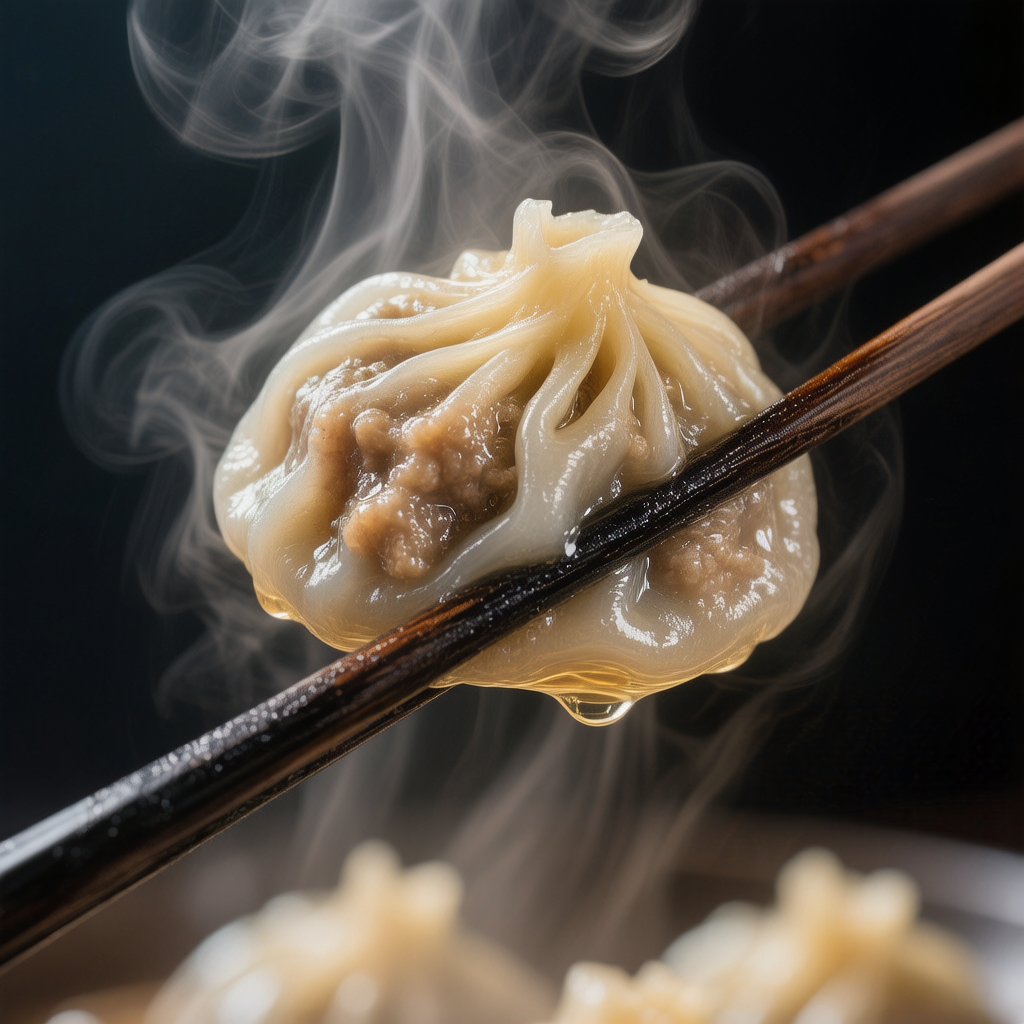
Folding is where Xiaolongbao becomes an art form. Traditional Xiaolongbao have at least 18 pleats, with master chefs achieving over 20. Here is how to fold them:
- Place a tablespoon of filling (pork mixed with diced aspic) in the center of the wrapper.
- Using your thumb and index finger, create pleats along the edge of the wrapper, rotating as you go.
- Each pleat should fold over the previous one, creating a beautiful spiral pattern at the top.
- Twist the top to seal completely — this is critical to prevent soup from leaking.
- Gently press the dumpling between your palms to flatten the bottom slightly, so it stands upright.
Cooking Tip: Do not overfill! Too much filling will burst the wrapper during steaming. Aim for about 1 tablespoon of filling per dumpling. Practice makes perfect — your first batch may not be pretty, but they will still taste amazing.
Steaming Xiaolongbao to Perfection
Steaming is the final and most delicate step. Line your bamboo steamer with cabbage leaves or parchment paper (with holes poked for steam circulation). Place the dumplings about 1 inch apart to prevent sticking.
- Water temperature — Make sure the water is at a rolling boil before placing the steamer on top.
- Steaming time — Steam for 8-10 minutes. Over-steaming will make the wrappers soggy; under-steaming means the aspic will not fully melt.
- No peeking — Resist the urge to open the lid during steaming, as temperature fluctuations can cause the wrappers to burst.
How to Eat Xiaolongbao (The Proper Way)
Eating Xiaolongbao is an experience in itself. The broth inside can reach temperatures above 90°C (194°F), so attacking one headfirst is a recipe for a burned tongue. Follow the traditional method:
- Lift gently — Use chopsticks to pick up the dumpling by the thicker top knot, supporting the bottom with a soup spoon.
- Poke a hole — Bite or poke a small opening at the top to release the steam.
- Sip the soup — Carefully drink the broth from the dumpling or let it drain into your spoon.
- Dip and eat — Dip the dumpling in black vinegar with ginger, then eat the remaining wrapper and filling in one bite.
This technique is often summarized in Chinese as “轻轻提,慢慢移,先开窗,后喝汤” — lift gently, move slowly, open a window first, then drink the soup.
Common Xiaolongbao Variations
While the classic pork Xiaolongbao remains the gold standard, creative variations have become popular:
- Crab Roe Xiaolongbao (蟹粉小笼) — Mixed with crab roe and crab meat for a luxurious, oceanic flavor.
- Shrimp Xiaolongbao — Filled with minced shrimp and pork for a lighter, sweeter taste.
- Truffle Xiaolongbao — A modern luxury twist with black truffle shavings in the filling.
- Vegetarian Xiaolongbao — Filled with mushrooms, tofu, and vegetables; the aspic is made from kombu and agar-agar.
Troubleshooting Common Mistakes
Even experienced cooks encounter challenges with Xiaolongbao. Here are the most common issues and how to fix them:
- Wrappers tear during steaming — The dough may be too thin or the filling too wet. Roll the wrappers slightly thicker at the center and make sure the aspic is diced small.
- No soup inside — You either did not add enough aspic or steamed too briefly. Ensure the aspic cubes are evenly distributed in the filling.
- Dumplings stick to the steamer — Always use cabbage leaves or perforated parchment paper. Lightly oil the surface as an extra precaution.
- Dough is too tough — The dough was over-kneaded or not rested long enough. Rest for at least 30 minutes before rolling.
Make-Ahead and Storage Tips
Xiaolongbao can be prepared in advance, which makes them perfect for dinner parties:
- Freezing uncooked — Assemble the dumplings, place on a parchment-lined tray, and freeze until solid. Transfer to a freezer bag. Steam from frozen for 12-14 minutes.
- Refrigerating — Uncooked Xiaolongbao can be refrigerated for up to 1 day on a floured tray, covered with plastic wrap.
- Reheating cooked — Re-steam for 3-4 minutes until the soup is hot again. Microwaving will make the wrappers rubbery and is not recommended.
Where to Find the Best Xiaolongbao
If you are traveling to China or beyond, these spots are legendary for their Xiaolongbao:
- Jia Jia Tang Bao, Shanghai — A local favorite known for its paper-thin wrappers and generous soup.
- Din Tai Fung (various locations) — The Taiwanese chain that brought Xiaolongbao to the world stage, famous for its consistency and precision.
- Nanxiang Mantou Dian, Shanghai — The original home of Xiaolongbao in the Yu Garden area, dating back to 1900.
- Longxiang Snack Shop, Shanghai — A no-frills spot beloved by locals for authentic, affordable Xiaolongbao.
Complete Xiaolongbao Recipe
Pork Skin Aspic
- 300g pork skin, cleaned and cut into strips
- 500g pork bones
- 3 slices ginger
- 2 scallions
- 1 tablespoon Shaoxing wine
- 1 liter water
Filling
- 400g ground pork (70% lean, 30% fat)
- 150g prepared aspic, diced into small cubes
- 1 tablespoon soy sauce
- 1 tablespoon Shaoxing wine
- 1 teaspoon sesame oil
- 1 teaspoon sugar
- 1 tablespoon minced scallion
- 1 teaspoon minced ginger
- White pepper to taste
Wrapper Dough
- 300g all-purpose flour
- 150ml warm water
- Pinch of salt
Instructions
- Make the aspic: Blanch pork skin and bones, then simmer with ginger, scallions, and wine for 3-4 hours. Strain, refrigerate overnight, and dice into small cubes.
- Make the filling: Combine ground pork with soy sauce, Shaoxing wine, sesame oil, sugar, scallion, ginger, and white pepper. Mix in one direction until sticky. Fold in the diced aspic gently.
- Make the dough: Mix flour, warm water, and salt into a smooth dough. Rest for 30 minutes under a damp cloth.
- Form the wrappers: Divide dough into 10g pieces. Roll each into a thin round with thinner edges.
- Assemble: Place filling in the center, pleat and twist to seal (aim for 18+ pleats).
- Steam: Line a bamboo steamer with cabbage leaves. Steam over boiling water for 8-10 minutes.
- Serve immediately with Chinkiang vinegar and julienned ginger.
Final Thoughts
Xiaolongbao is more than just a dumpling — it is a testament to the ingenuity and artistry of Chinese cuisine. The process of making them from scratch is undeniably labor-intensive, but the moment you bite into one and that rich, savory soup floods your palate, every second of effort is justified. Whether you are a seasoned home cook or a curious beginner, Xiaolongbao rewards patience with one of the most satisfying eating experiences in all of Chinese cooking. Gather your ingredients, roll up your sleeves, and let the magic of soup dumplings transform your kitchen.