
Dim sum, which translates to touch the heart in Cantonese, represents one of China’s most beloved culinary traditions. This style of Chinese cuisine involves small portions of food served in bamboo steamers or on small plates, traditionally accompanied by tea. Originating from the tea houses along the Silk Road in Guangdong province, dim sum has evolved into a sophisticated dining experience enjoyed worldwide.
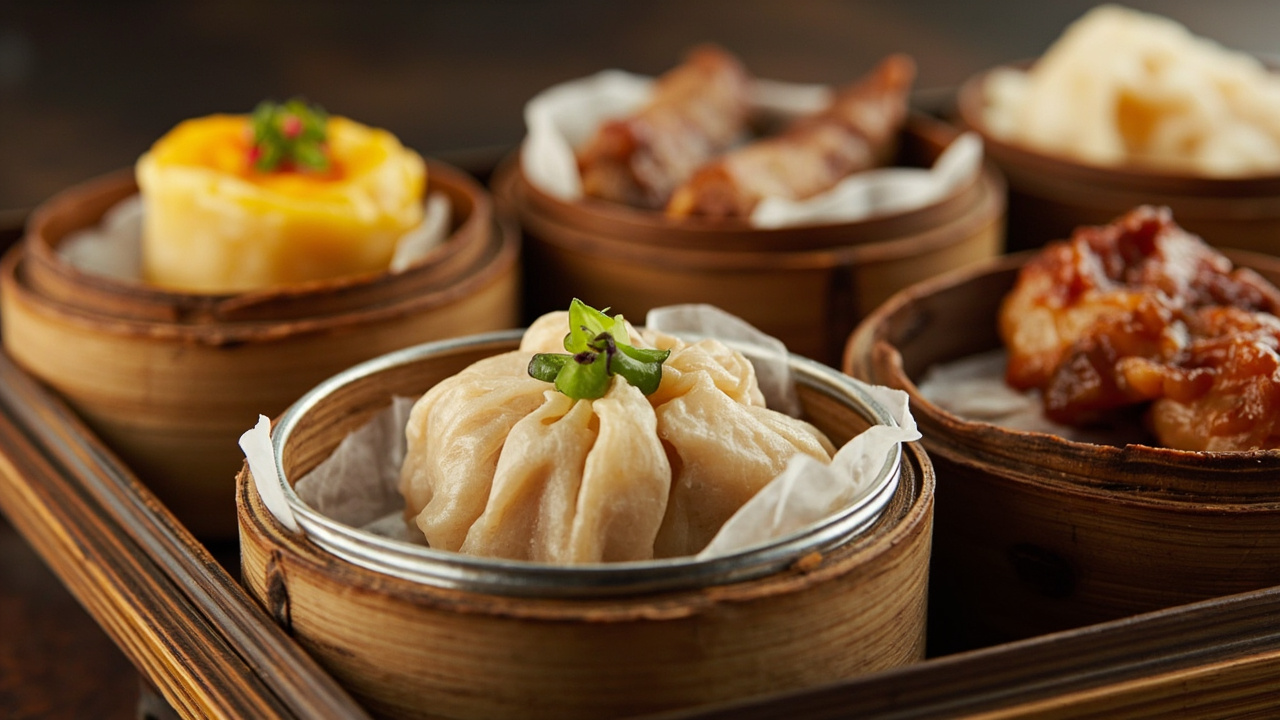
The history of dim sum dates back to the 10th century during the Song Dynasty when travelers along the Silk Road needed places to rest. Tea houses began offering small snacks to accompany their tea, and this practice gradually developed into the elaborate yum cha tradition we know today. Yum cha, which means drink tea, is the Cantonese term for the dim sum dining experience, emphasizing the central role of tea in this culinary tradition.
The Art of Dim Sum Dining
Dim sum is traditionally served from late morning to early afternoon, with the busiest period being weekend brunch when families gather for long, leisurely meals. The dining experience is characterized by the constant stream of carts pushed through the restaurant, each stacked with bamboo steamers and small plates. Diners select items as the carts pass by, and the server stamps a card at the table to track what has been ordered. This interactive style of dining creates a lively atmosphere that is as much about social connection as it is about food. The meal typically begins with a pot of tea, which is continuously refilled throughout the meal. The most common dim sum teas include jasmine, oolong, pu-erh, and chrysanthemum, each chosen to complement the variety of flavors in the food.
Essential Dim Sum Dishes
Har gow, or shrimp dumplings, are considered the crown jewel of dim sum, requiring exceptional skill to prepare. The translucent wrapper must be thin enough to reveal the pink shrimp inside yet strong enough to hold together during steaming. Siu mai, open-topped pork and shrimp dumplings topped with roe or mushrooms, are equally iconic and appear on every dim Sum table. Char siu bao, steamed buns filled with barbecued pork, offer a sweet and savory contrast that satisfies both young and old. Cheung fun, rice noodle rolls filled with shrimp, beef, or fried dough, demonstrate the delicate textures that Cantonese cuisine is famous for. Other essential dishes include chicken feet, steamed spare ribs, turnip cake, and egg tarts with flaky pastry and silky custard filling. Each dish represents decades of culinary refinement and contributes to the symphony of flavors and textures that makes dim sum unique.
Dim Sum Etiquette
Understanding dim sum etiquette enhances the dining experience and shows respect for the tradition. When tea is poured for you, tap the table with your index and middle fingers as a gesture of thanks, a custom said to originate from a Qing Dynasty emperor who served tea to his officials incognito. Order rice dishes only at the end of the meal if you are still hungry, as filling up on rice early is considered poor dim Sum strategy. Use the small plates provided for dipping sauces, and do not double-dip your food. When sharing dishes, use serving chopsticks rather than your personal ones. The person who pours tea should fill others cups before their own, and cups should be refilled before they are completely empty. These small courtesies are part of what makes the dim sum experience so culturally rich.
Dim Sum Around the World
Dim sum has spread far beyond its Cantonese origins, adapting to local tastes while maintaining its essential character. In the United States, dim sum became popular in cities with large Chinese communities like San Francisco, New York, and Los Angeles, where restaurants serve both traditional and Americanized versions. In Australia, where dim sum is particularly popular, restaurants often serve halal versions to accommodate diverse populations. In Southeast Asia, dim sum has been influenced by local flavors, with chili sauces and tropical ingredients adding new dimensions to classic dishes. Modern chefs have also created fusion dim sum, incorporating Western ingredients like truffle, foie gras, and cheese into traditional forms. Despite these innovations, the heart of dim sum remains unchanged: small, perfect bites of food shared with family and friends over tea.
Making Dim Sum at Home
While restaurant dim sum is a special experience, making dim sum at home can be rewarding and more affordable for large gatherings. The key ingredients include wheat starch and tapioca starch for translucent wrappers, rice flour for cheung fun, and seasoned ground pork and shrimp for fillings. Bamboo steamers are essential for authentic results, as they allow steam to circulate evenly while adding a subtle woody aroma. Many dim sum items can be prepared in advance and frozen before steaming, making them convenient for parties. Starting with simpler items like siu mai and char siu bao before attempting more challenging dishes like har gow allows beginners to build confidence. Online recipes and video tutorials have made home dim sum more accessible than ever, and the satisfaction of creating these delicate dishes from scratch is immense.
Conclusion
Dim sum represents the perfect expression of Cantonese culinary philosophy: small portions, perfect execution, and communal enjoyment. Whether enjoyed in a bustling Hong Kong tea house or recreated in your home kitchen, dim sum offers a dining experience that nourishes both body and spirit. The combination of tea, food, and social connection creates a meal that transcends mere sustenance to become a cherished cultural tradition.
Tips for Ordering Dim Sum
Ordering dim sum can be overwhelming for first-timers given the variety of dishes available. A good strategy is to start with steamed classics like har gow and siu mai, add one or two fried items like spring rolls or taro puffs, include a vegetable dish like Chinese broccoli, and finish with a sweet item like egg tarts or mango pudding. Tea selection matters, with jasmine tea being the most popular choice for its floral aroma that complements the food. The number of dishes ordered should match the number of diners, with three to four dishes per person being a typical amount. Remember that in traditional dim sum service, the staff will mark your table card for each dish you select, and you pay based on the number and type of dishes at the end of the meal. Don’t be afraid to ask servers for recommendations or to try dishes that look interesting as they pass by on carts.
Dim Sum Around the World
Dim sum has spread far beyond its Cantonese origins, adapting to local tastes while maintaining its essential character. In the United States, dim sum became popular in cities with large Chinese communities like San Francisco, New York, and Los Angeles, where restaurants serve both traditional and Americanized versions. In Australia, dim sum is particularly popular, with restaurants often serving halal versions to accommodate diverse populations. In Southeast Asia, dim sum has been influenced by local flavors, with chili sauces and tropical ingredients adding new dimensions to classic dishes. Modern chefs have also created fusion dim sum, incorporating Western ingredients like truffle, foie gras, and cheese into traditional forms. Despite these innovations, the heart of dim sum remains unchanged: small, perfect bites of food shared with family and friends over tea. The global spread of dim sum has made it one of the most recognized Chinese culinary exports, enjoyed by people who may never visit China but appreciate the artistry of these delicate dishes.