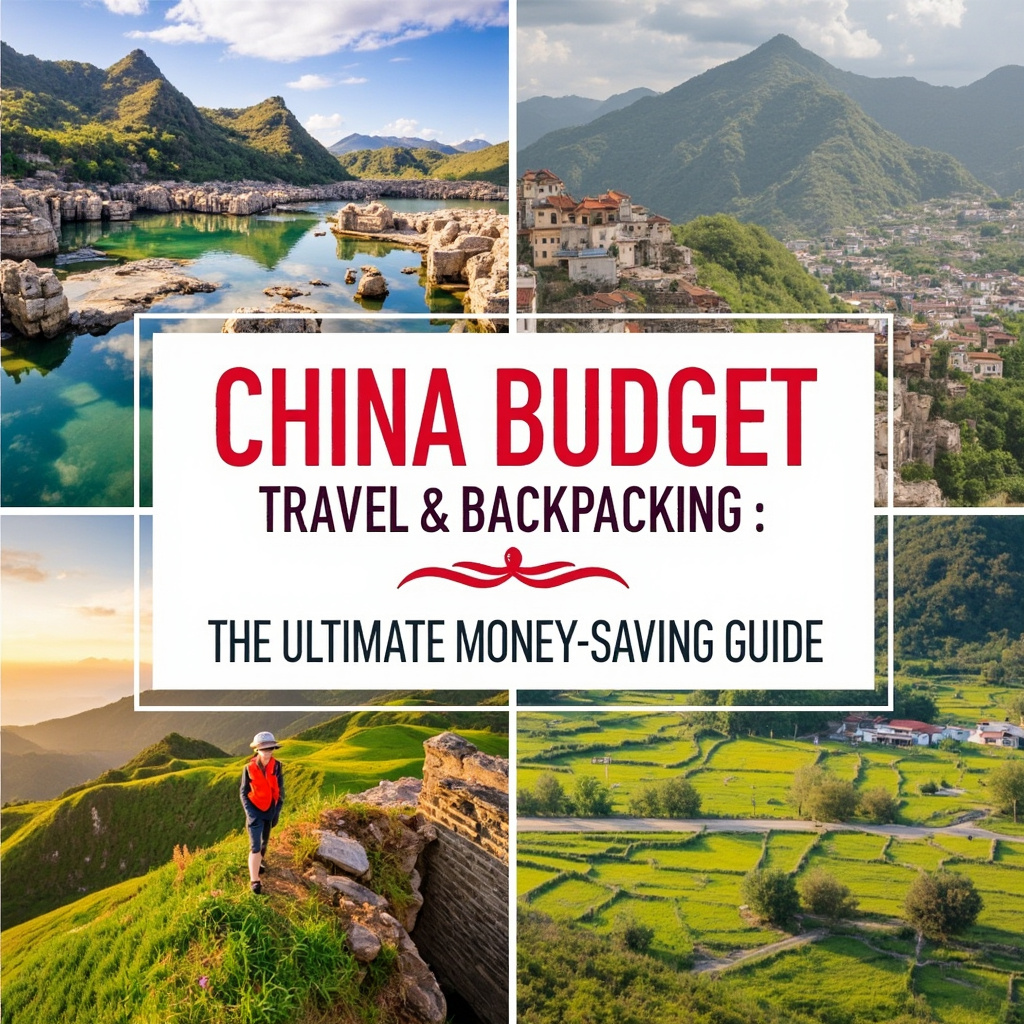
China is a land of breathtaking contrasts, where ancient dynasties meet ultramodern skylines, and towering mountains give way to bustling megacities. For backpackers and budget travelers, China is an incredibly rewarding destination that offers a rich tapestry of experiences without draining your wallet. From slurping down steaming bowls of noodles for under $2 to hopping on high-speed trains that crisscross the country for a fraction of the cost of Western rail fares, China proves that epic travel doesn’t have to come with an epic price tag.
In this ultimate money-saving guide, we’ll dive deep into the art of budget travel in China. You’ll discover practical strategies for cutting accommodation costs, eating like a king for pennies, navigating the country on the cheap, and crafting unforgettable itineraries that won’t leave you counting pennies at the end of each day. Whether you’re a first-time visitor or a seasoned backpacker returning for more, these tips will help you stretch every dollar while immersing yourself in one of the world’s most fascinating cultures.
—
## Why China is a Top Budget Destination
China’s reputation as a budget travel hotspot has grown steadily over the past decade. While popular tourist cities like Beijing and Shanghai have become more expensive, the overall cost of travel remains remarkably low compared to Western Europe, North America, or even Japan. The key lies in knowing where to spend and where to save, and China offers plenty of opportunities for savvy travelers to keep expenses in check.
### Affordable Accommodation Options
One of the biggest expenses for any traveler is lodging, but China offers a wide range of budget-friendly accommodation options. Hostels are abundant in major cities, with dorm beds typically costing between $5 and $15 per night. Private rooms in hostels or budget guesthouses often range from $15 to $30, while chain hotels like Jingdong Inn or 7 Days Inn offer clean, no-frills rooms for $20–$40. In smaller towns and rural areas, guesthouses can be as cheap as $10–$20 per night, making it easy to find a roof over your head without breaking the bank.
### Cheap and Delicious Street Food
Chinese cuisine is legendary, and the best part is that some of the most flavorful dishes are found on the streets, not in expensive restaurants. A hearty bowl of ramen-style noodles in a bustling night market will set you back just $1–$3. Savory scallion pancakes, steaming dumplings, and grilled skewers are all under $2. Even sit-down meals at local restaurants rarely exceed $5–$10 per person, making it entirely possible to eat three meals a day for under $15.
### Low-Cost Transportation
Getting around China is surprisingly affordable, especially when you take advantage of the country’s extensive high-speed rail network. Tickets for high-speed trains (G and D class) between major cities often cost $30–$80 for a journey that would cost hundreds of dollars by plane in other countries. Domestic flights can be found for as low as $50–$100 if booked in advance, while long-distance buses are even cheaper, sometimes under $20 for multi-hour rides.
### Visa and Entry Considerations
Before you pack your bags, it’s important to understand China’s visa requirements. Most travelers need a tourist visa (L visa), which can be obtained from Chinese embassies or consulates. The cost varies by country, but typically ranges from $30–$140. Some countries also qualify for a transit visa exemption for short stays. Planning ahead and applying for your visa early will save you stress and potential extra fees.
—
## Planning Your Budget Trip to China
### Best Time to Visit for Budget Travelers
China is a vast country, so the “best time” depends heavily on your destinations. Generally, the shoulder seasons of spring (April to May) and autumn (September to October) offer the most comfortable weather and thinner crowds, which often translates to lower prices for accommodation and attractions. Summer can be hot and humid, and winter brings cold temperatures to the north, but both seasons can offer deals if you’re flexible.
### Estimating Your Daily Budget
A realistic daily budget for a budget traveler in China depends on your travel style, but here’s a rough breakdown based on mid-range choices:
– **Accommodation**: $10–$30 (dorm bed to private room in a hostel or budget hotel)
– **Food**: $10–$20 (mix of street food and occasional restaurant meals)
– **Transportation**: $10–$30 (local transport, occasional train or bus rides)
– **Attractions**: $5–$20 (entry fees to parks, museums, and sites)
This brings the average daily cost to about $40–$100, with many travelers comfortably getting by on $50–$70 per day. If you’re ultra-budget conscious and willing to couchsurf, cook your own meals, and stick to free attractions, you could even lower this to $30–$40 per day.
### Currency and Payment Tips
The Chinese yuan (CNY), also known as renminbi (RMB), is the local currency. As of early 2026, the exchange rate is approximately 1 USD ≈ 7.2 CNY, though this fluctuates. Always check current rates before your trip.
It’s essential to have a method of payment ready. While cash is still accepted in many places, mobile payments like Alipay and WeChat Pay dominate daily transactions. You can link an international credit or debit card to these apps, but opening a local Chinese bank account is often necessary for full functionality. Alternatively, carry a mix of cash and a card that charges low foreign transaction fees.
—
## Getting Around China on a Budget
### Domestic Flights
China has a extensive domestic flight network, and airlines like China Eastern, China Southern, and budget carriers such as Spring Airlines and Lucky Air frequently offer promotions. Booking 2–3 weeks in advance can secure one-way tickets for $50–$120, even between distant cities like Beijing and Guangzhou. Use comparison sites like Ctrip (the Chinese equivalent of Expedia) to find the best deals.
### High-Speed Trains
The crown jewel of China’s transportation system, high-speed trains connect over 30 provinces with speeds up to 350 km/h (217 mph). Second-class tickets are remarkably affordable. For example, a Beijing to Xi’an high-speed train (about 1,200 km) costs around $50–$80, while a Shanghai to Hangzhou journey (180 km) is just $15–$25. Book tickets through the official 12306 website or the mobile app to avoid service fees.
### Buses and Long-Distance Coaches
For the most budget-conscious travelers, long-distance buses are the cheapest option, though they take longer. Tickets can be as low as $10–$30 for multi-hour journeys. In smaller towns, local bus stations often have no online booking, so arriving early ensures you get a seat. Overnight buses can also save you a night’s accommodation.
### Local Public Transport
Within cities, public transport is both cheap and efficient. Metro systems in Beijing, Shanghai, Guangzhou, and other major cities charge around $0.30–$1 per ride. Buses are even cheaper, often under $0.50. Consider purchasing a rechargeable transit card (like a Yikatong in Beijing or a Jiaotong Card in Shanghai) to avoid purchasing individual tickets and sometimes enjoy small discounts.
—
## Accommodation Options for Backpackers
### Hostels and Guesthouses
Hostels are the backbone of budget travel in China, especially in tourist-heavy cities. Brands like Pod Inn, Wharf (Motel 168), and local hostels offer clean, basic rooms. A dorm bed in Beijing or Shanghai typically costs $8–$15, while private rooms are $20–$35. Many hostels also have communal kitchens, which is a great way to save money on meals.
### Budget Hotels and Chain Hotels
Chain hotels such as 7 Days Inn, Jinjiang Inn, and Home Inn are scattered across China and offer consistent quality at low prices. Rooms usually cost $25–$45 per night, with amenities like free Wi-Fi, air conditioning, and private bathrooms. These are ideal for travelers who prefer a bit more privacy and reliability.
### Couchsurfing and Home Stays
While Couchsurfing is less prevalent in China due to cultural differences, platforms like BeWelcome and Warm Showers (for cyclists) can connect you with locals offering free accommodation. Additionally, rural homestays (农家乐, nóngjiālè) are popular in scenic areas like Yangshuo, Guilin, and Zhangjiajie, offering simple rooms, home-cooked meals, and an authentic glimpse into local life for $10–$25 per night.
—
## Eating Well Without Breaking the Bank
### Street Food Secrets
Street food is the heartbeat of Chinese cuisine and the cheapest way to eat. In night markets, you’ll find skewered meats (羊肉串, yángròu chuàn) for $0.50–$1 each, bowls of hot and sour soup (酸辣粉, suānlàfěn) for $1–$2, and sweet treats like sugar-coated hawthorns (糖葫芦, tánghúlu) for under $1. Don’t miss trying jianbing (煎饼, a savory crepe) from street carts—a filling breakfast for under $1.50.
### Local Markets and Food Courts
Wet markets (菜市场, càishìchǎng) are not only great for experiencing daily Chinese life but also for picking up fresh fruit, nuts, and snacks at rock-bottom prices. A bag of seasonal fruit might cost $1–$3. Food courts in shopping malls or underground malls offer set meals (套餐, tào cān) for $3–$6, complete with a main dish, rice, and soup.
### Cooking Your Own Meals
If your accommodation has a kitchen, cooking your own meals can further slash food costs. Supermarkets and local markets stock everything from fresh vegetables to instant noodles. A week’s worth of groceries might cost $20–$30, allowing you to prepare simple, tasty meals. This is especially useful in cities where eating out every meal might feel repetitive.
—
## Top Budget Destinations in China
### Beijing on a Budget
Beijing offers a wealth of history and culture, and many of its greatest attractions are free or low-cost. Walking the Tiananmen Square and exploring the hutong (traditional alleyways) neighborhoods costs nothing. The Forbidden City charges about $8–$15 for entry, while the Temple of Heaven is just $3–$5. Skip expensive tourist restaurants in favor of hole-in-the-wall spots serving zhajiangmian (炸酱面, noodle dish) for $1–$2.
### Xi’an and the Terracotta Warriors
Xi’an is a must-see for its Terracotta Warriors, with entry fees around $20–$25 (book online for potential discounts). However, the city itself is budget-friendly. The ancient city wall can be explored by bike for about $5, and the Muslim Quarter offers cheap, delicious street food like roujiamo (肉夹馍, Chinese hamburger) for $1–$2. Hostels near the Bell Tower provide convenient access to the city’s sights.
### Chengdu and Pandas
Chengdu is famous for its giant pandas, and a visit to the Chengdu Research Base of Giant Panda Breeding costs about $10–$15. For a unique (and cheaper) experience, consider volunteering at the Dujiangyan Panda Base (around $25, including a day of panda keeping). The city’s teahouses and street snacks (mapo tofu, dandan noodles) are incredibly affordable, with meals for $2–$5.
### The Karst Landscapes of Guilin
Guilin’s karst scenery is iconic, and much of it can be enjoyed on a budget. Hiking the Seven Star Cave area or exploring the Reed Flute Cave (about $10–$15 entry) showcases the region’s natural beauty. Yangshuo, a small town nearby, is a backpacker hub with affordable guesthouses ($10–$20), bike rentals ($2–$5 per day), and free activities like cycling through rice paddies and swimming in the Li River.
### The Yangtze River and Zhangjiajie
Zhangjiajie, known for its towering quartz-sandstone pillars, is a UNESCO World Heritage site. The main Zhangjiajie National Forest Park entry fee is around $25–$30, but once inside, you can hike the trails for free. Budget hostels and guesthouses in the area charge $10–$25 per night. The Yangtze River, meanwhile, offers budget ferry options for $20–$50 for a multi-day journey between cities like Yichang and Chongqing.
—
## Money-Saving Tips and Tricks
### Using Alipay and WeChat Pay
Mobile payments are ubiquitous in China. Downloading Alipay or WeChat Pay before your trip and linking an international card (Visa, Mastercard, or Amex) will make daily transactions seamless. Many small vendors, taxis, and even street food stalls prefer these apps. Look for discount coupons and promotions within the apps, which can shave small percentages off your purchases.
### Travel Insurance and Health Costs
Never skimp on travel insurance. A comprehensive policy covering medical emergencies, trip cancellations, and lost luggage typically costs $30–$100 for a two-week trip, depending on coverage. Public hospitals in China offer decent care at a fraction of Western costs, with a doctor’s visit for a cold costing $10–$30. However, private clinics catering to foreigners may charge higher rates, so insurance is a safety net.
### Shopping and Bargaining
Bargaining is expected in markets and many shops outside of malls. Start at 30–40% of the asking price and negotiate up. Keep a friendly, light-hearted tone to avoid offense. In large cities, chain stores and supermarkets have fixed prices, but smaller vendors are fair game. Remember, the goal is a fair price for both parties.
### Free and Low-Cost Attractions
Many of China’s most memorable experiences are free. Hike the Great Wall at sections like Jinshanling or Simatai (entry $5–$10 vs. $45+ for Badaling), explore temple complexes like Shaolin (entry $15–$25), or stroll through parks like Hangzhou’s West Lake (free). Take advantage of free walking tours, often offered by hostels or local guides, to gain insight without spending a dime.
—
## Sample Itineraries for 2 Weeks on a Budget
### Classic Route: Beijing – Xi’an – Chengdu – Guilin
– **Days 1–3: Beijing** – Arrive, explore Tiananmen Square, Forbidden City, hutongs. Budget accommodation: $15–$25/night. Daily food cost: $10–$15.
– **Days 4–5: High-speed train to Xi’an** – Visit Terracotta Warriors, city wall, Muslim Quarter. Train ticket: ~$50. Accommodation: $10–$20/night.
– **Days 6–8: Flight or train to Chengdu** – Panda Base, Sichuan opera (with cheap tickets), street food. Flight: $50–$80. Accommodation: $10–$20/night.
– **Days 9–12: Train or bus to Guilin/Yangshuo** – Li River cruise, cycling, karst hikes. Bus: $15–$25. Accommodation: $10–$20/night.
– **Days 13–14: Return flight** – Fly out of Guilin or return to Beijing.
**Estimated Total Budget (excluding international flights)**: $700–$1,200 for two weeks, or $50–$85 per day.
### Southern Loop: Shanghai – Hangzhou – Huangshan – Guilin
– **Days 1–2: Shanghai** – Bund, Yu Garden (entry $5–$10), Nanjing Road. Metro and buses: $2–$5/day.
– **Days 3–4: Train to Hangzhou** – West Lake (free), tea plantations. Train: $15–$25. Accommodation: $15–$25/night.
– **Days 5–7: Bus to Huangshan (Yellow Mountain)** – Hike the peaks, stay in basic hostels. Bus: $10–$15. Park entry: $30–$40.
– **Days 8–11: Train to Guilin via Nanning or direct** – Li River, Yangshuo. Train: $30–$50.
– **Days 12–14: Fly out from Guilin**.
**Estimated Total Budget**: $800–$1,300 for two weeks.
—
## Conclusion: Start Your China Adventure for Less
China is a destination that proves you don’t need a fortune to have a life-changing experience. With its unbeatable combination of affordable accommodation, cheap and delicious food, efficient transportation, and countless free or low-cost attractions, China invites budget travelers to explore its vast landscapes, ancient history, and vibrant modernity without compromise.
By planning ahead, embracing local customs, and following the money-saving strategies outlined in this guide, you can traverse this incredible country for as little as $40–$70 per day. Whether you’re wandering the ancient streets of Beijing, hiking the karst peaks of Guilin, or getting lost in the neon glow of Shanghai, China offers memories that will last a lifetime—without emptying your bank account.
So pack your backpack, download your apps, and get ready for the adventure of a lifetime. China is waiting, and it’s more affordable than you think. Safe travels!