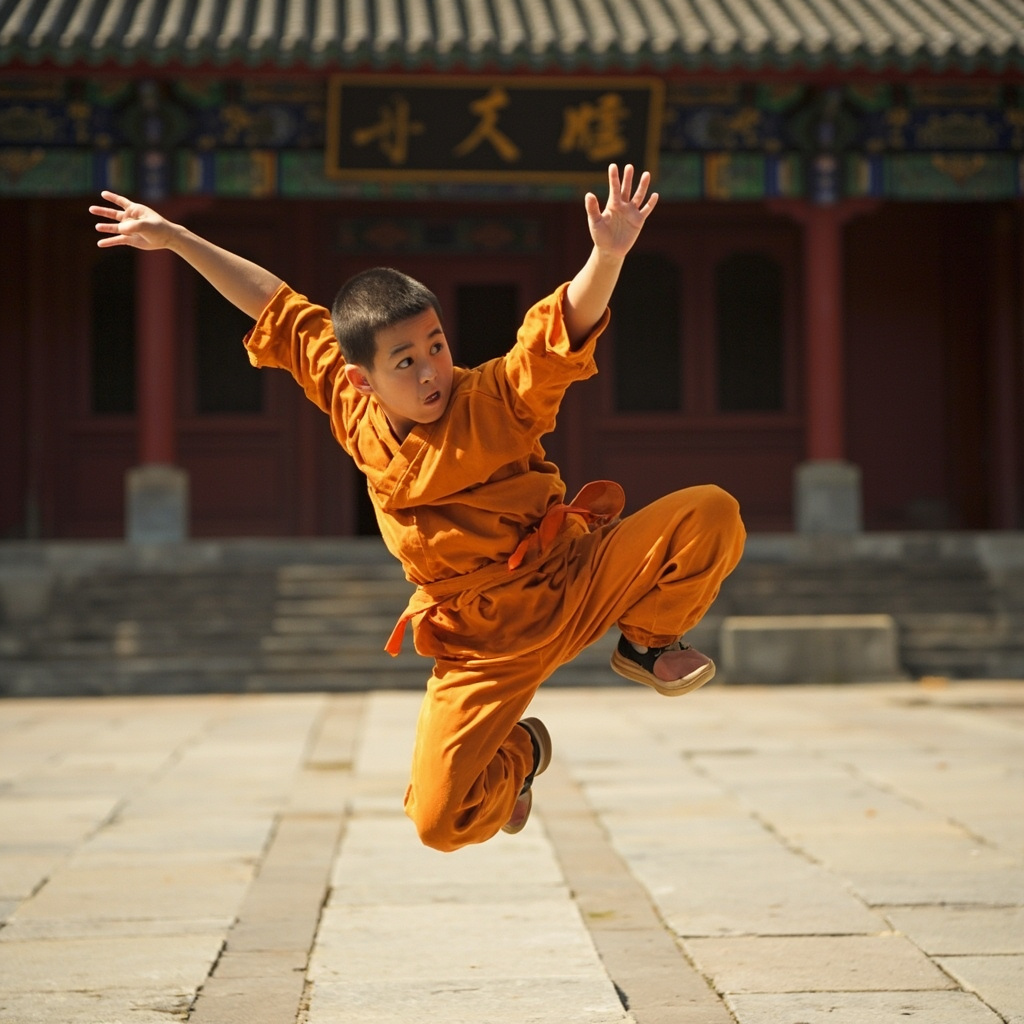
Inside Shaolin Monastery: The Daily Life and Training of Shaolin Monks
Chinese martial arts have captivated practitioners and enthusiasts for thousands of years, evolving from ancient battlefield techniques into a global phenomenon that encompasses dozens of distinct styles and traditions. Whether you are drawn to the powerful strikes of Shaolin Kung Fu, the flowing movements of Tai Chi, or the scientific efficiency of Wing Chun, understanding the rich history and philosophy behind these arts enriches your journey as a martial artist. This comprehensive guide explores the foundations, styles, training methods, and cultural significance of traditional Chinese martial arts.
Understanding the Foundations of Chinese Martial Arts
The origins of Chinese martial arts stretch back over four millennia, with earliest records appearing during the Shang and Zhou dynasties. These ancient fighting systems developed not merely as methods of combat but as expressions of philosophical, spiritual, and cultural values that defined Chinese civilization. The integration of Daoist, Buddhist, and Confucian principles created martial traditions that emphasize holistic development of mind, body, and spirit.
Traditional Chinese martial arts, commonly known as wushu or kung fu, were originally developed for military applications and self-defense. Over centuries, these practical combat techniques evolved into sophisticated systems that combined effective fighting methods with cultural and spiritual elements. This transformation produced the diverse range of styles we see today, each carrying unique characteristics while sharing common philosophical roots.
The Major Styles and Their Characteristics
Chinese martial arts generally divide into internal and external styles, each offering distinct approaches to training and combat. External styles emphasize physical conditioning, strength building, and explosive power, while internal styles focus on developing qi (energy), mental cultivation, and fluid movement. Understanding these categories helps practitioners choose the style that best matches their goals and physical capabilities.
Shaolin Kung Fu represents perhaps the most famous external style, originating from the legendary Shaolin Temple in Henan Province. This comprehensive system encompasses hundreds of techniques, including punches, kicks, throws, locks, and an extensive weapons curriculum. Shaolin training builds strength, flexibility, speed, and endurance through rigorous physical conditioning combined with technical skill development. The Five Animals style (蛇虎鶴豹龍 – Snake, Tiger, Crane, Leopard, Dragon) draws inspiration from the movements and characteristics of these creatures, each representing different aspects of combat effectiveness.
Wing Chun, developed by the legendary Abbess Ng Mui, represents a unique approach to martial combat focusing on close-range efficiency and directness. Its centerline theory and economy of motion principles make it particularly effective for practitioners of smaller stature. The style’s chain punching, trapping techniques, and sensitivity training develop fighting ability through structured forms and partner drills.
Key Training Principles and Philosophy
Regardless of the specific style chosen, traditional Chinese martial arts share common training principles that distinguish them from modern combat sports. Classical training emphasizes holistic development, meaning that practitioners work simultaneously on physical technique, mental discipline, and spiritual growth. This integrated approach produces martial artists who are not merely skilled fighters but refined individuals embodying the values of their art.
The concept of qi forms a fundamental aspect of traditional Chinese martial arts philosophy. Practitioners learn to cultivate, circulate, and utilize internal energy to enhance their physical capabilities and healing abilities. While scientific understanding of qi continues to evolve, many practitioners report significant improvements in health, vitality, and martial effectiveness through qi cultivation practices. Meditation, breathing exercises, and specific training methods develop this aspect of martial ability over years of dedicated practice.
Lineage and teacher-student relationships carry significant importance in traditional martial arts. Students progress through clearly defined stages under the guidance of qualified instructors who themselves received training through established lineages. This transmission of knowledge preserves authentic techniques and philosophies while ensuring proper instruction and personal development. Finding a qualified teacher remains essential for serious martial artists seeking traditional training.
Modern Practice and Global Spread
Today, Chinese martial arts attract millions of practitioners worldwide, from casual enthusiasts to professional athletes and martial artists. Contemporary training programs often adapt traditional methods to fit modern lifestyles, offering accessible classes while preserving authentic techniques and philosophies. This balance between tradition and accessibility ensures these ancient arts continue thriving while maintaining their cultural integrity.
Competitive martial arts have emerged as popular outlets for practitioners seeking to test their skills. Wushu competitions showcase traditional forms and weapons routines, while mixed martial arts organizations demonstrate practical combat applications. These platforms provide goals and motivation for training while elevating visibility of Chinese martial arts on the global stage.
Health Benefits of Regular Practice
Beyond combat applications, Chinese martial arts offer numerous health benefits supported by both traditional wisdom and modern research. Regular practice improves cardiovascular health, builds muscular strength and endurance, enhances flexibility and balance, and reduces stress levels. The meditative aspects of training promote mental clarity and emotional stability.
Studies have demonstrated that Tai Chi practice particularly benefits older adults, improving balance, reducing fall risk, and enhancing quality of life. The slow, controlled movements make it accessible for people with various fitness levels while providing meaningful health improvements. Similar benefits extend to other internal styles and even more vigorous external training when practiced appropriately.
Choosing Your Path in Chinese Martial Arts
For beginners exploring Chinese martial arts, numerous factors should influence style selection. Physical attributes, personal goals, time availability, and cultural interests all play roles in determining the most suitable path. Visiting different schools, observing classes, and speaking with instructors helps potential students make informed decisions about their training journey.
Consistency and patience prove essential for success in any martial art. These disciplines require years of dedicated practice to develop genuine skill and understanding. Setting realistic expectations, celebrating incremental progress, and maintaining long-term commitment create foundation for lasting practice. The journey itself provides rewards extending far beyond physical technique development.
Essential Equipment and Training Gear
Beginning practitioners require appropriate training gear to train safely and effectively. Traditional kung fu uniforms typically include loose-fitting pants and a jacket styled for movement rather than durability. Quality footwear provides support and traction while protecting feet during training. As practitioners advance, they may acquire weapons, protective equipment, and specialized training tools appropriate to their chosen style.
Finding reputable sources for training equipment ensures quality and authenticity. Many traditional martial arts supply companies offer authentic uniforms, weapons, and training accessories. Online resources provide convenient shopping options while local martial arts schools often have supply connections for students.
Conclusion
Chinese martial arts offer profound journey combining physical training, mental discipline, and spiritual development. Whether you choose the powerful techniques of Shaolin, the flowing movements of Tai Chi, or the scientific efficiency of Wing Chun, engaging seriously with these traditions transforms every aspect of your being. Begin your exploration with an open mind and patient practice, allowing the art to reveal its secrets gradually through dedicated training.
Ready to start your martial arts journey? Explore our related articles on specific styles and techniques to deepen your understanding of these remarkable traditions.