
Stir-frying, known as “chao” in Chinese, is perhaps the most essential and iconic cooking technique in the entire Chinese culinary repertoire. This high-heat, fast-paced method has been perfected over thousands of years to produce dishes of remarkable flavor, texture, and visual appeal that have become synonymous with Chinese cuisine around the world.
The art of stir-frying requires not just technical skill but an intuitive understanding of heat, timing, and ingredient preparation that takes years to master. The Chinese phrase “guo qi zhou dao” (the wok’s breath) describes the ethereal quality distinguishing a truly skilled stir-fry cook from an ordinary one.
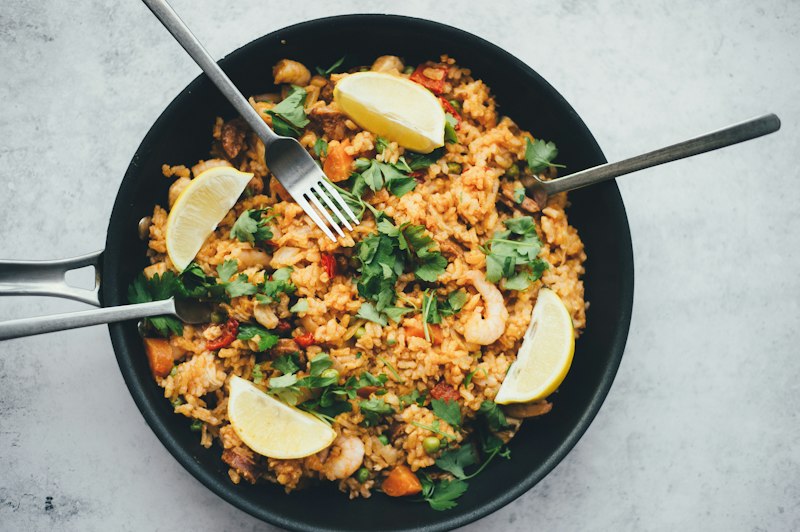
The Essential Wok: More Than Just a Pan
The wok is far more than a cooking vessel — it is the foundation of Chinese culinary identity and the tool that makes authentic stir-frying possible. Traditional Chinese woks are made from carbon steel, which heats quickly and evenly while developing natural non-stick properties from proper seasoning. The curved sides create a temperature gradient allowing different ingredients to cook at different rates in the same pan.
The wok’s shape is ingeniously designed. The narrow bottom concentrates heat for high-temperature searing, while the sloping sides allow ingredients to be pushed up away from direct heat when necessary. The curved surface makes it easy to toss ingredients without escaping, central to achieving the characteristic “wok hei” (breath of the wok) flavor.
The Critical Importance of Heat
True stir-frying requires extraordinarily high heat — hot enough that a drop of water should evaporate almost instantly upon contact. This extreme heat creates the characteristic smoky flavor known as “wok hei” while rapidly sealing in moisture and flavor. Without sufficient heat, stir-frying becomes merely sautéing, producing fundamentally different results.
Achieving proper wok temperature requires preheating the empty wok until it begins to smoke slightly, then adding oil that should immediately shimmer and flow freely across the surface. The oil must reach the correct temperature before ingredients are added — add ingredients too early and they will steam rather than sear.
The Five Critical Steps of Perfect Stir-Fry
Step 1: Mise en Place
Preparation is absolutely essential. All ingredients must be cut, measured, and arranged within easy reach before heating begins. Once the wok is hot, there is no time for cutting or measuring — the entire cooking process takes typically less than five minutes. Vegetables should be cut into uniform sizes. Proteins should be cut against the grain for tenderness. Sauces should be pre-mixed and ready.
Step 2: Heat the Wok
Place the wok over your highest heat source and heat until it begins to smoke slightly. This removes moisture and prepares the surface for oil. Never skip this step — properly heated wok is the foundation of great stir-fry.
Step 3: Add Oil and Aromatics
Add oil and swirl to coat the entire surface. Add ginger, garlic, and scallions within the first few seconds, stirring rapidly to release their fragrances without burning. These aromatics form the flavor base for the entire dish.
Step 4: Cook Proteins First
Add proteins in a single layer and resist stirring for 30-60 seconds, allowing them to develop a sear. Once seared on one side, toss to sear the other sides. Remove proteins when just barely cooked through — they will continue cooking from residual heat.
Step 5: Add Vegetables and Sauce
Add vegetables starting with densest varieties, stirring constantly. When nearly but not quite done, add pre-mixed sauce and toss to coat. The sauce should thicken slightly and coat ingredients with a glossy sheen.
The Art of Wok Hei
“Wok hei” — literally “breath of the wok” — describes the complex, smoky flavor distinguishing great restaurant stir-fries. This flavor comes from the Maillard reaction at extremely high temperatures combined with slight charring when ingredients hit the hottest parts of the wok.
Achieving true wok hei requires professional-grade equipment: extremely high BTU burners, thin carbon steel woks, and skill to work at those temperatures safely. However, home cooks can approximate this effect with proper technique and the highest heat their stoves can produce.
Common Mistakes to Avoid
The most common error is insufficient heat. Home stoves cannot match restaurant burner temperatures, making it essential to select ingredients that cook quickly and not overcrowd the wok. Overcrowding causes ingredients to steam rather than sear. Another mistake is adding ingredients in the wrong order — dense vegetables must be added before tender ones. Cold proteins from the refrigerator drastically reduce wok temperature. Taking ingredients directly from the refrigerator is a fundamental error that will compromise the entire dish.