Guangzhou, the capital of Guangdong Province in southern China, is one of China’s most historically significant and culturally distinctive cities. As the largest city in southern China and the birthplace of Cantonese culture, Guangzhou offers travelers a fascinating window into a different China from what most Western visitors expect. This comprehensive Guangzhou travel guide will walk you through everything you need to know about this vibrant metropolis.
Understanding Guangzhou: Geography, Climate, and Getting Around
Guangzhou is located in the Pearl River Delta, approximately 120 kilometers north of Macau and 150 kilometers south of Hong Kong. The city covers an area of over 7,400 square kilometers and is one of the most economically dynamic cities in China, serving as a major manufacturing hub and the gateway to China’s vast southern market.
The Guangzhou climate is subtropical, characterized by hot, humid summers and mild, dry winters. The best times to visit are during autumn (October to December) when the weather is pleasant and the city is at its most comfortable. Summer can be extremely hot and humid, with temperatures regularly exceeding 35 degrees Celsius and high humidity levels.
Getting around Guangzhou is convenient thanks to the city’s extensive metro system, one of the longest in China. Taxis and ride-hailing services like Didi are inexpensive and widely available. The city is also well-connected to Hong Kong and Shenzhen via high-speed rail.
Cantonese Culture: A Distinctive Chinese Heritage
Guangzhou is the heartland of Cantonese culture, one of China’s most distinctive regional cultures. The Cantonese language, spoken by over 80 million people worldwide, is one of the most widely understood Chinese dialects and has had an enormous influence on Chinese diaspora communities around the world.
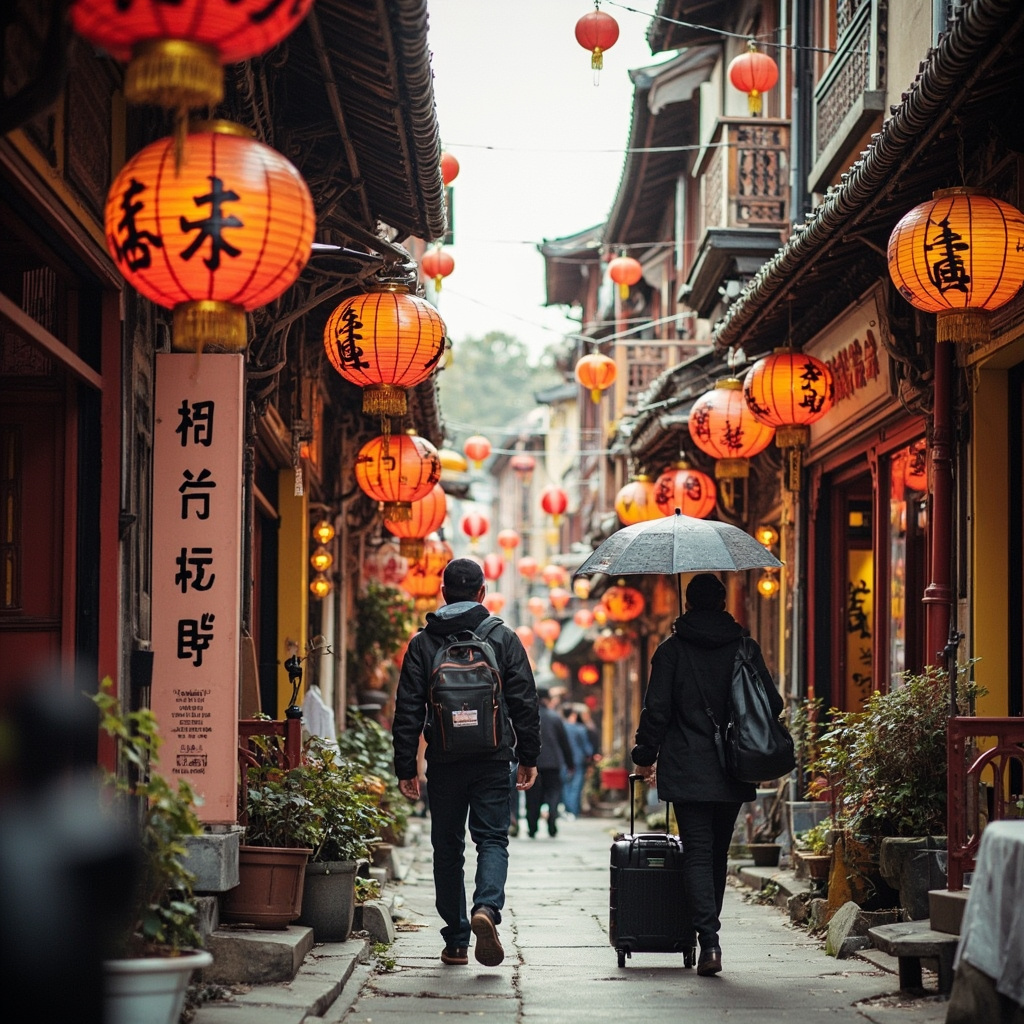
The city’s cultural heritage is visible in its traditional temples, its distinctive cuisine, its unique dialect, and its vibrant festival traditions. The Cantonese Opera, a form of traditional Chinese opera performed in the Cantonese dialect, is recognized by UNESCO as an Intangible Cultural Heritage of Humanity. The Dragon Boat Festival and the Lantern Festival are celebrated with particular enthusiasm in Guangzhou.
Key Attractions in Guangzhou
The Shamian Island (Shamian Shahtin), located on a sandbar in the Pearl River, is one of Guangzhou’s most distinctive neighborhoods. This area was once a foreign concession, and its streets are lined with beautiful colonial-era buildings in various architectural styles, creating a unique urban landscape unlike any other in China.
The Chen Clan Ancestral Hall and the adjacent Guangdong Folk Art Museum offer a fascinating window into traditional Cantonese culture and architecture. Built in 1894 during the Qing Dynasty, this elegant complex of halls, gardens, and pavilions showcases the finest examples of traditional Cantonese architecture and folk art.
The Canton Tower (Guangzhou Tower), at 600 meters the tallest tower in China and the second-tallest structure in the world, offers observation decks with panoramic views of the city and the Pearl River Delta. The tower’s distinctive shape, nicknamed “The Clever Lady” by locals, has become the symbol of modern Guangzhou.
Guangzhou’s Legendary Food Scene
Guangzhou is internationally recognized as the birthplace of Cantonese cuisine, one of China’s eight great culinary traditions and arguably the most internationally influential. Cantonese cuisine is characterized by its delicate flavors, fresh ingredients, and sophisticated cooking techniques that preserve the natural taste of the ingredients.
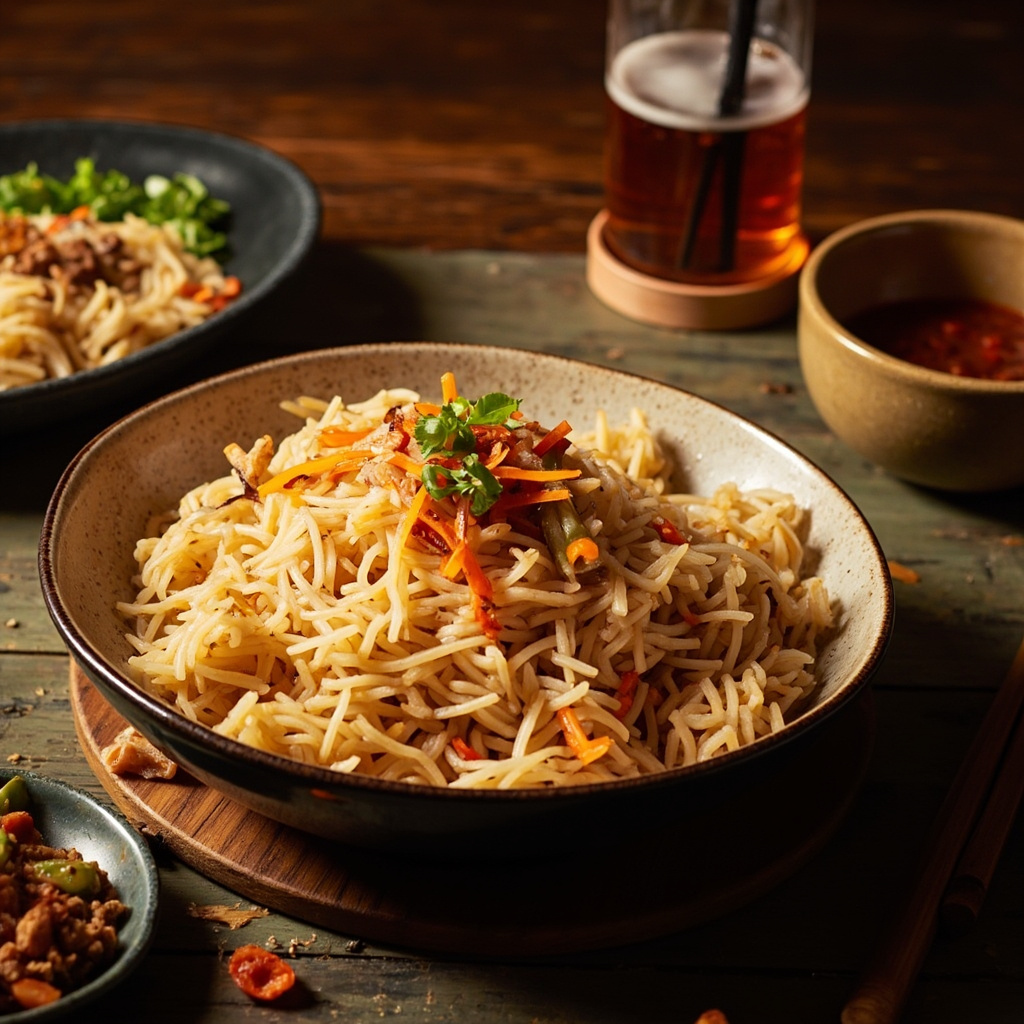
The city’s yum cha (dim sum) culture is legendary, with locals gathering in teahouses every morning for an elaborate ritual of tea, small plates of food, and lively conversation that can stretch for hours. Must-try dishes include har gow (shrimp dumplings), siu mai (pork and shrimp dumplings), char siu bao (barbecued pork buns), and egg tarts.
For a more adventurous culinary experience, head to the Qingping Market, where you can sample exotic foods that are considered delicacies in Cantonese cuisine. The city’s food stalls, teahouses, and fine dining restaurants offer an extraordinary range of culinary experiences that reflect the Cantonese obsession with fresh, quality ingredients.
Conclusion
Guangzhou is a city that rewards visitors who take the time to look beyond its modern surface. Its distinctive Cantonese culture, extraordinary food scene, rich colonial heritage, and warm, friendly locals make it one of China’s most engaging cities to visit. Whether you come to explore its historic neighborhoods, sample its legendary dim sum, or simply soak up the atmosphere of a city that has been connecting China to the world for centuries, Guangzhou promises an unforgettable experience.