Hangzhou, the capital of Zhejiang Province on China’s eastern coast, has captivated travelers, poets, and painters for over a millennium with its extraordinary natural beauty, refined cultural heritage, and the legendary beauty of West Lake. Marco Polo, the famous Venetian explorer, reportedly called Hangzhou the most beautiful city in the world, and visitors today would be hard-pressed to disagree. This Hangzhou travel guide will help you discover why this city has inspired generations of artists, poets, and travelers.
Understanding Hangzhou: Geography, Climate, and Getting Around
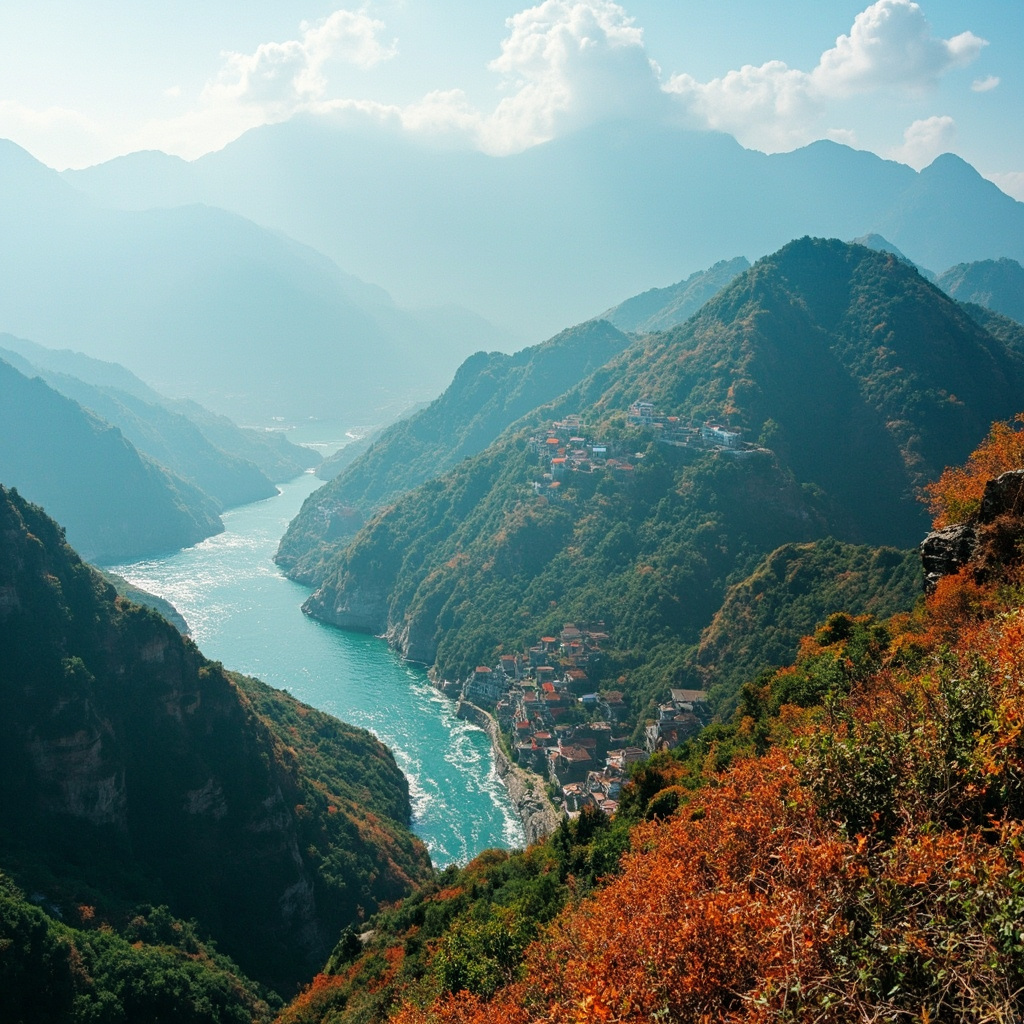
Hangzhou is strategically located at the southern end of the Grand Canal, approximately 180 kilometers southwest of Shanghai. The city sits on the lower reaches of the Qiantang River, with the dramatic hills of the Longmen Mountains to the south and the flat plains of the Yangtze Delta surrounding the city.
The Hangzhou climate is subtropical, characterized by hot, humid summers and mild winters. The best times to visit are during spring (March to May) and autumn (September to November) when the weather is pleasant and West Lake is at its most beautiful. The summer months of June and July correspond with the plum rainy season, when the city receives most of its annual rainfall.
Getting around Hangzhou is convenient thanks to the city’s metro system and extensive bus network. The city center is compact enough that many attractions can be reached on foot or by short taxi rides. Bicycle-sharing programs are also popular for short distances.
West Lake: China’s Most Celebrated Landscape
West Lake (Xihu) is the soul of Hangzhou and one of the most famous lakes in all of China. This natural freshwater lake, covering approximately 6 square kilometers in the heart of the city, has been celebrated in Chinese art, literature, and poetry for over a thousand years.
The lake is best experienced by walking or cycling along thecauseways and paths that crisscross its surface. The three islands within the lake, each connected to the shore by elegantly arched bridges, contain some of the most photographed pavilions in China. The Broken Bridge (Duandiao), the Leifeng Pagoda, and the lotus-filled flowers of the Broken Mountain Temple are essential stops on any West Lake itinerary.
The lake’s ten classic scenes, each with its own evocative Chinese name and associated legend, include the Spring Dawn at the Broken Mountain Temple, the Orioles Singing in the Green Willows, and the Lotus Moving in the Breeze. These scenes have been celebrated in Chinese painting and poetry for centuries and can still be appreciated today.
Exploring the Grand Canal
The Grand Canal, stretching over 1,800 kilometers from Beijing to Hangzhou, is the longest artificial river in the world and one of China’s greatest engineering achievements. The construction of the canal began as early as the 5th century BCE and was completed during the Sui Dynasty in 610 CE, linking the Yellow River and the Yangtze River systems and transforming the economic and cultural landscape of China.
The section of the Grand Canal in Hangzhou is one of the most atmospheric, with historic waterfront districts, traditional boat houses, and ancient bridges creating a living museum of canal life. A cruise along this section of the canal offers a fascinating window into the merchant culture that flourished along China’s great waterway for over a millennium.
Temple and Pavilion Highlights
Hangzhou is home to several important Buddhist temples and historic pavilions. Lingyin Temple, founded in 326 CE, is one of the oldest and most significant Buddhist temples in China, with a history that predates the founding of Hangzhou itself. The temple’s halls, caves, and gardens contain extraordinary examples of Buddhist art and architecture, including the famous Feilai Feng rock carvings that line the hill behind the temple.
The Hefang Street area, with its reconstructed traditional architecture and fascinating museums, offers an accessible introduction to Hangzhou’s cultural heritage. The Tea Museum and the Silk Museum provide valuable context for understanding two of Hangzhou’s most famous products, Longjing (Dragon Well) tea and Hangzhou silk, both of which have been central to the city’s identity for centuries.
Hangzhou’s Culinary Heritage
Hangzhou cuisine, known as Huizhou cuisine, is one of China’s eight great culinary traditions, characterized by its delicate flavors, beautiful presentation, and emphasis on fresh, seasonal ingredients. The city’s most famous dish is West Lake Fish in Vinegar Gravy, a dish of fish braised in a sweet and sour sauce that has been prepared in Hangzhou for over a thousand years.
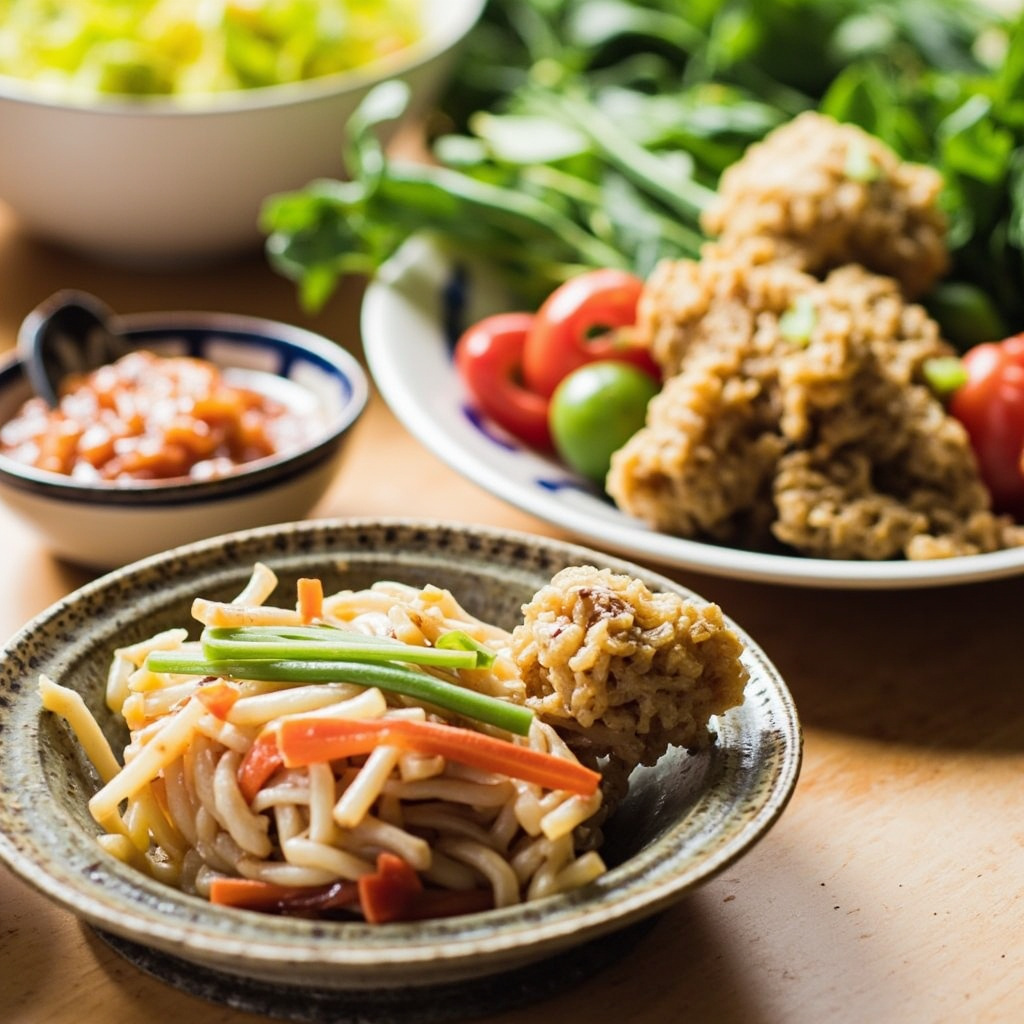
Other essential Hangzhou dishes include Dongpo Pork, a dish of pork belly braised in wine and soy sauce that is said to have been invented by the famous Song Dynasty poet Su Dongpo, and Beggar’s Chicken, a dish of chicken wrapped in lotus leaves and clay that is said to have been invented by a Hangzhou beggar over 500 years ago.
Conclusion
Hangzhou is a city of extraordinary beauty and cultural depth that rewards visitors with its serene landscapes, refined cuisine, and the genuine warmth of its people. Whether you spend your days exploring the gardens and pavilions of West Lake, cruising along the Grand Canal, or savoring the delicate flavors of Hangzhou cuisine, this city promises an experience that will stay with you long after you have returned home.