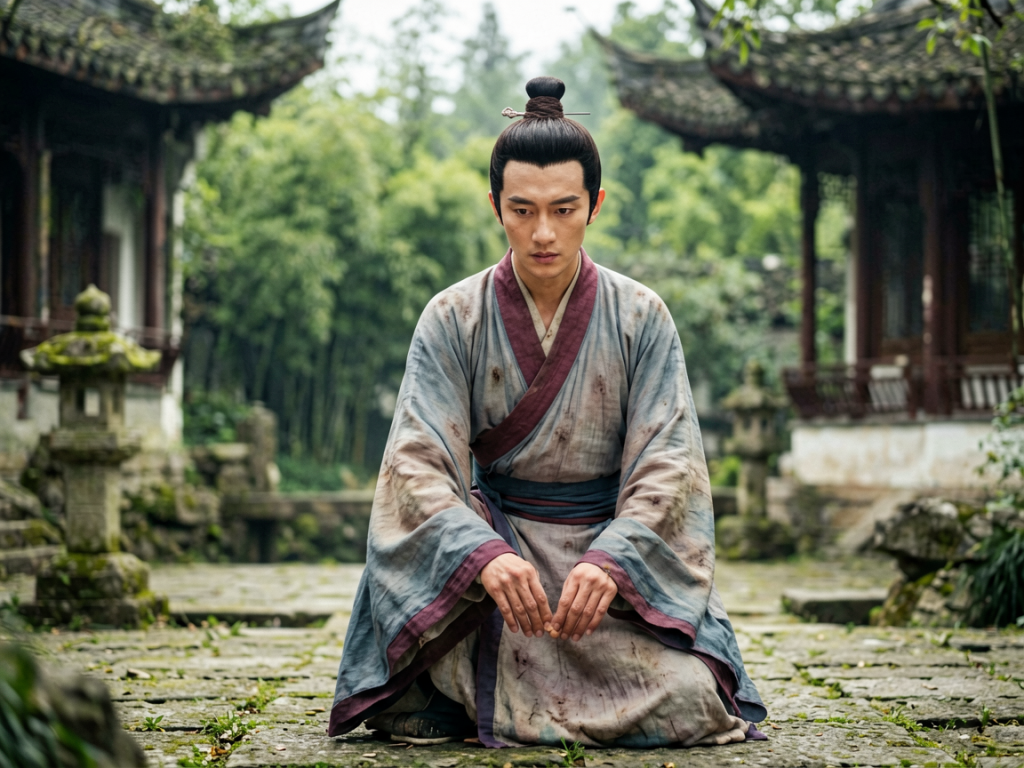
I’ll be honest, I never bought into the whole death touch thing until I watched a guy in a dusty Zhejiang village nearly make me pass out with a two-finger poke.
You know how every martial arts movie shows a hero tapping a stranger’s neck and watching him drop like a sack of bricks?
I used to laugh at that scene on my screen.
Then reality hit me pretty hard.
Sound interesting? Probably not at first glance.
But it pulled me right into a rabbit hole that mixes ancient healing practices, modern neuroscience, and a whole lot of folklore.
The Myth vs. The Mantra
People throw around the term dim mak like it’s some secret kung fu cheat code.
In reality, it’s more like a cultural shorthand for pressure point striking.
I spent years asking masters across China what they actually meant when they said it.
Most of them just smiled and told me to stop watching so many movies.
The concept traces back to folk tales and early military manuals.
Soldiers needed ways to disable opponents quickly without relying on brute strength.
A sharp strike to the solar plexus or a firm press against the carotid sinus can absolutely make someone dizzy or knock the wind out of them.
That’s not magic.
That’s basic physiology.
But somewhere along the way, storytellers added the dramatic flair.
They turned quick reflexes into supernatural strikes.
I’m no historian, but I’ve read enough Qing dynasty training logs to know warriors practiced targeted strikes long before Hollywood existed.
They called it dian xue, which basically means dot blood.
The idea was to disrupt energy flow or cause temporary shock.
Today, we just call it pressure points.
What the Meridians Actually Tell Us
If you want to understand why this stuff stuck, you gotta look at traditional chinese medicine.
Practitioners talk about qi moving through meridian lines all day long.
Acupuncture points sit right at the intersections of those invisible pathways.
When a martial artist presses or strikes a spot, the theory says they’re redirecting or blocking that flow.
I sat down with a licensed acupuncturist in Beijing who also ran a qigong class.
He didn’t blink when I asked if