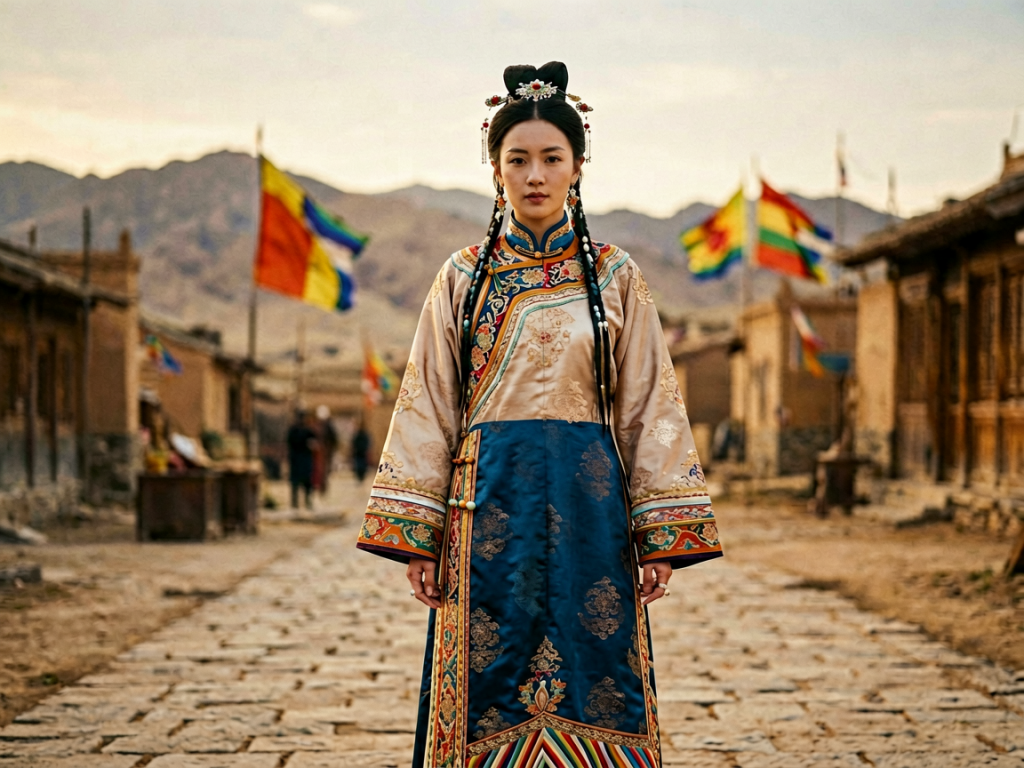
The Heat, the Dust, and the Scent of Cumin
The first thing that hits you when you step off the train in Kashgar isn’t the history. It’s the heat. It’s a dry, heavy heat that settles into your bones before you’ve even found your backpack. The air smells like diesel, roasted cumin, and old earth. I’ve lived in China for eight years, and I’ve never encountered a place that feels quite so far away from the sleek, glass-walled cities of Shanghai or Shenzhen.
People talk about China’s “Wild West” like it’s a movie trope. But standing in the shade of the Id Kah Mosque, watching the afternoon prayers disperse into a chaotic swirl of vendors and tourists, you realize it’s not a metaphor. It’s a physical reality. The energy here is raw. It’s untamed in a way that feels dangerous and delicious all at once.
I’ll be honest, I was skeptical at first. I’d read the travel blogs from five years ago, and they painted a picture of a frozen-in-time oasis. I expected a dusty relic. What I got was a city that is aggressively modernizing while simultaneously clinging to its ancient roots. It’s a messy, beautiful contradiction. And I loved every second of it.
Sound interesting? Good. Because the real story of Kashgar in 2026 isn’t about the past. It’s about how this city is handling the present.
The Old City Is Changing (And That’s Okay)
Everyone heads straight for the Old City, the Id Kah area. You can’t blame them. The yellow mud-brick houses with their intricate wooden latticework are iconic. But here’s the thing: if you’re looking for a village frozen in 1920, you’re going to be disappointed. And you should be.
I spent a morning wandering the narrow alleyways of the East Street market. It’s crowded. It’s loud. It’s vibrant, yes, but let’s be precise about that word. It’s not just “vibrant.” It’s alive in a gritty, unpolished way. You’ll see a young woman in a trendy Hanfu dress taking selfies next to an elderly Uyghur man selling dried fruits that look like they’ve been sun-dried for a century.
By 2026, the renovations are complete. The government has poured money into preserving the architecture, and it shows. The buildings are pristine. But don’t mistake cleanliness for sterility. The soul of the place is still there.
I ran into a guide named Aisha who grew up here. She showed me a corner of the market I’d missed. It was a small workshop where they made traditional instruments, the dutar. The sound was hauntingly beautiful. She told me, “We don’t live in a museum. We live here. The tourists watch, but we work.” That distinction is crucial. This isn’t a theme park. It’s a home.
Eating Your Way Through the Sunday Market
Let’s talk about food, because that’s why we’re here. Kashgar food is different from the rest of China. It’s heavier on lamb, dairy, and wheat. The spices are bold. The portions are huge. And the Sunday Market is legendary.
Now, the Sunday Market has been sanitized for tourists in recent years. The stalls are cleaner, the prices are fixed in many places, and the chaos is controlled. But it’s still a spectacle. You’ll see camels being sold. You’ll see farmers trading bales of hay. You’ll see mountains of apricots, walnuts, and dried cherries.
I grabbed a skewer of lamb from a stall near the edge of the market. The meat was charred, juicy, and seasoned with just enough cumin to make your eyes water. It cost me about 15 yuan. That’s less than a coffee in Beijing. I sat on a plastic stool next to a group of local men drinking tea from small glass cups. We didn’t speak the same language, but we exchanged smiles over the shared appreciation of good meat.
You have to try the naan. Not the soft, white bread you might know. I’m talking about the large, round, crispy flatbread baked in a tandoor oven. They brush it with oil and sprinkle it with sesame seeds. It’s still hot when they hand it to you. You tear off a piece, dip it in some lamb broth, and suddenly, you understand why people travel thousands of miles for this.
I could be wrong, but I think the best naan is found at the stalls that don’t have English signs. You just point. They nod. You pay. You eat. It’s that simple.
The Infrastructure Shock
Here’s where the 2026 reality kicks in. Kashgar is no longer a backwater. The high-speed rail connects it to Urumqi in just a few hours. That used to be a day-long bus ride. The roads are paved. The hotels are luxury-grade.
I stayed at a boutique hotel that had converted a traditional courtyard into a sleek design space. It had underfloor heating, high-speed Wi-Fi, and a rooftop terrace with a view of the Pamir Mountains. It felt like a juxtaposition of eras. One moment you’re drinking matcha on a rooftop, the next you’re down in the alley buying pickled plums from a vendor who uses cash.
This accessibility changes everything. The crowds are bigger now. You can’t just wander into a remote village and find silence. But it also means the local economy is booming. The artisans I met were making enough money to support their families without leaving the city. That’s a win for preservation.
I’m no expert on urban planning, but I think this balance is fragile. The influx of capital brings progress, but it also brings homogenization. You’ll see more chain stores popping up. You’ll see more Mandarin speakers. The Uyghur language is still widely spoken, but the pressure to integrate is real.
Does that ruin the experience? No. It just makes it more complex. It forces you to look deeper. You have to ask questions. You have to engage. You can’t just be a passive observer.
More Than Just a Stopover
Most tourists treat Kashgar as a stopover on the way to Xinjiang’s other highlights. They spend a day or two, take a few photos of the mosque, and leave. That’s a mistake.
The city deserves more time. I spent three days there, and I still felt like I’d only scratched the surface. The culture here is layered. It’s Silk Road. It’s Persian. It’s Chinese. It’s Central Asian. It’s a fusion that creates something entirely unique.
One afternoon, I wandered into a tea house in the Old City. It was quiet, dimly lit, and filled with the smell of jasmine. I ordered a pot of brick tea and sat with a local writer. We talked about history, about politics, about the future. He showed me his sketches of the city from fifty years ago. The changes are stark, but the spirit remains.
“China is moving fast,” he said, pouring me another cup. “But some things move slow. Like the tea. Like the bread.” It was a simple statement, but it stuck with me.
If you’re planning a trip in 2026, don’t rush it. Rent a bike. Get lost in the alleys. Talk to the shopkeepers. Ask about their families. Ask about their dreams. You’ll find that the people of Kashgar are warm, welcoming, and incredibly proud of their heritage.
The “Wild West” label is catchy, but it’s misleading. This isn’t lawless. It’s not chaotic in a bad way. It’s just different. It operates on a different rhythm. And once you sync with that rhythm, you’ll find a side of China that you won’t find anywhere else.
I’ll leave you with this thought: Kashgar isn’t just a place on a map. It’s a feeling. It’s the taste of cumin on your fingers. It’s the sound of the call to prayer echoing over the rooftops. It’s the feeling of standing at the edge of the Silk Road and looking out at the mountains, knowing you’re part of a story that’s thousands of years old.
It’s messy. It’s loud. It’s hot. And it’s absolutely worth it. I’ll be back.