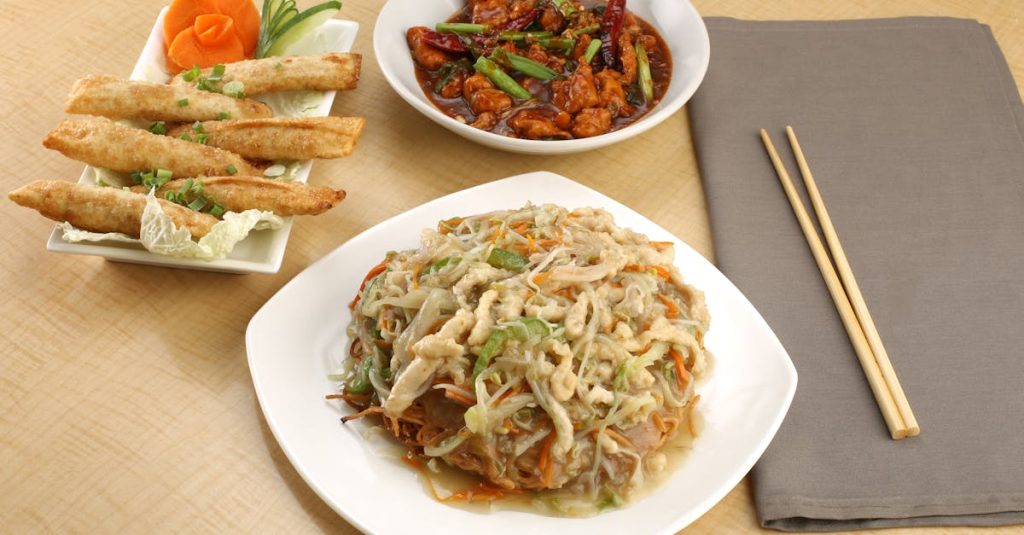
When it comes to traditional Sweet and Sour Pork recipe, China offers some of the most authentic and memorable experiences in the world. Whether you’re a first-time visitor or a seasoned traveler, understanding the nuances of traditional Sweet and Sour Pork recipe can transform your journey into something truly extraordinary.
Why traditional Sweet and Sour Pork recipe Matters
Understanding traditional Sweet and Sour Pork recipe is essential for anyone visiting or studying China. This comprehensive guide will walk you through everything you need to know, from historical context to practical tips that you won’t find in standard travel guides.
Historical Background
The history of traditional Sweet and Sour Pork recipe in China stretches back thousands of years, deeply intertwined with the country’s cultural development. Ancient texts describe how traditional Sweet and Sour Pork recipe evolved from ritual practices to mainstream traditions that millions follow today.
Historical records show that traditional Sweet and Sour Pork recipe was originally developed in specific regions before spreading throughout the country. Each dynasty contributed unique elements that shaped what we recognize as traditional Sweet and Sour Pork recipe today.
Practical Guide
For travelers interested in traditional Sweet and Sour Pork recipe, here are the essential things to know:
- Best time to experience: Different seasons offer distinct perspectives on traditional Sweet and Sour Pork recipe
- Where to go: Major cultural centers and hidden gems across China
- What to look for: Key indicators of authentic vs tourist-oriented experiences
- How to participate: Opportunities for hands-on involvement
Regional Variations
China’s vast territory means traditional Sweet and Sour Pork recipe manifests differently across regions. Northern practices tend to be more formal and ritualistic, while southern approaches often incorporate everyday elements and local customs. Western regions have developed unique interpretations influenced by proximity to trade routes and neighboring cultures.
Tips for Visitors
If you’re planning to explore traditional Sweet and Sour Pork recipe during your visit to China, consider these expert tips:
- Start early: Popular attractions can become crowded by mid-morning
- Bring documentation: Some sites require advance booking or permits
- Learn basic phrases: Knowing a few words in Mandarin enhances interactions
- Respect local customs: Observe and follow the lead of local participants
Conclusion
traditional Sweet and Sour Pork recipe remains one of China’s most enduring cultural treasures, offering visitors a window into the nation’s soul. Whether you experience it in a bustling city square or a quiet rural village, the essence of traditional Sweet and Sour Pork recipe speaks to universal human experiences that transcend cultural boundaries.
Start planning your traditional Sweet and Sour Pork recipe journey today and discover why countless travelers have been captivated by this remarkable aspect of Chinese culture.