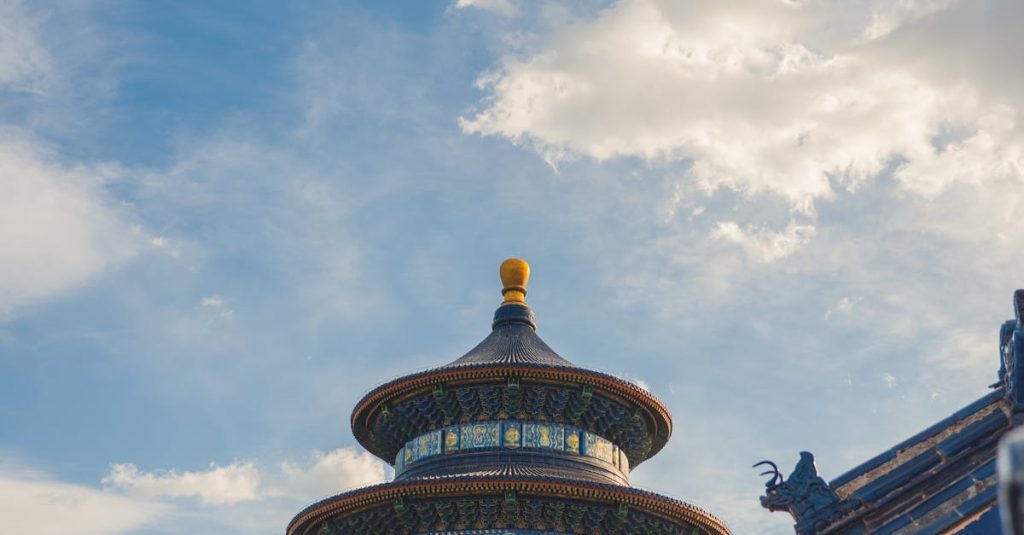
The Wudang Mountains (武当山, Wǔdāng Shān) in Hubei province are one of the most sacred sites in the Chinese martial arts tradition — the center of Taoist internal martial arts, particularly Wudang Sword (武当剑) and the Taoist internal styles of Tai Chi, Baguazhang, and Xingyiquan.
Sacred Taoist Mountain
Wudang has been a center of Taoist spiritual practice for over 2,000 years. The mountain’s 72 peaks, 36 cliffs, and 24 droves are interspersed with ancient Taoist temples, some of which are among the oldest religious structures in China. Emperor Taizong of the Ming Dynasty first established imperial support for the mountain in the 7th century CE.
Wudang Martial Arts
Wudang martial arts are characterized as “internal” (内家) — in contrast to the “external” (外家) styles of Shaolin. Internal martial arts emphasize cultivating qi (气, life energy), developing internal power through stillness and movement, and using minimal force to achieve maximum effect. External styles like Shaolin emphasize physical conditioning, explosive power, and rigorous technique.
The most famous Wudang martial arts: Wudang Tai Chi, Wudang Sword (renowned throughout Chinese history as the highest expression of Chinese swordsmanship), and Wudang internal palm (武当内功掌).
Visiting Wudang Today
The Wudang Mountain UNESCO World Heritage Site receives millions of visitors annually. The golden summit (金顶) at 1,612 meters altitude offers dramatic views and the ancient Taihe Palace. Training programs are available at Wudang Taoist Kung Fu Schools.
For a complete guide to Chinese martial arts, visit our Chinese Kung Fu Complete Guide.