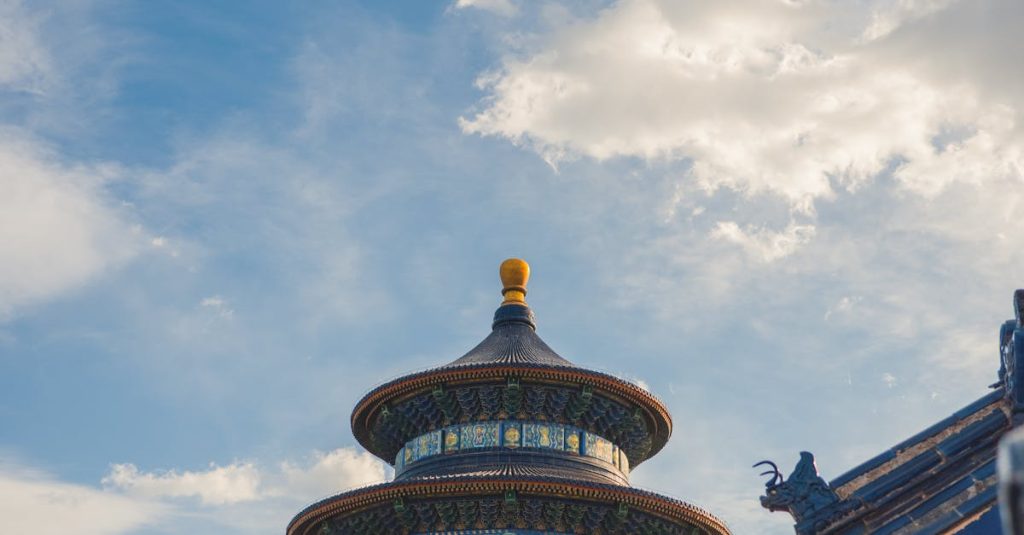
Tai Chi (太极拳, Tàijíquán), formally known as Taijiquan, is one of China’s most widely practiced martial arts — and one of the most paradoxical. It is simultaneously a devastating martial art, a meditative practice, a healing therapy, and a popular fitness activity. In slow motion, it looks like elegant dance. In practice, it contains some of the most sophisticated combat principles in any martial art.
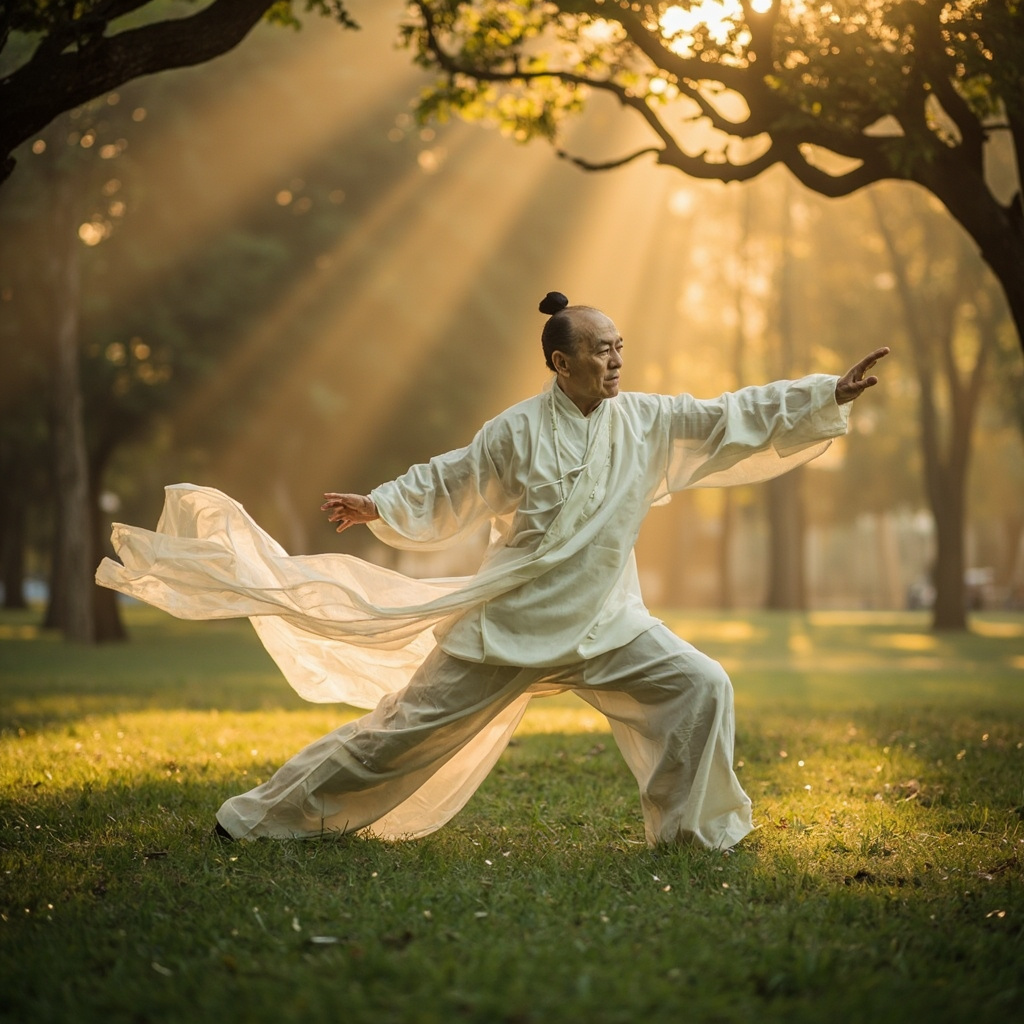
The Origins of Tai Chi
Tai Chi is attributed to Zhang Sanfeng, a Taoist monk who supposedly developed the art after observing a fight between a crane and a snake. According to legend, Zhang Sanfeng lived to the age of 200+ years and created an art that combined the soft, yielding principles of Taoist cultivation with effective combat technique.
The Four Main Styles
Chen Style: The oldest and most martial. Features explosive coiling movements and low stances. The style of Chen village in Henan, where the art originated.
Yang Style: The most practiced style in the world. Characterized by slow, gentle, even movements and high, comfortable stances.
Wu (Jianxi) Style: Smaller, more compact movements than Yang. Known for its elegant, refined character.
Sun Style: A newer style combining Tai Chi with Xingyiquan. Features fast-paced movements and active stepping.
Health Benefits
Countless scientific studies have confirmed Tai Chi’s benefits for balance, stress reduction, cardiovascular health, and fall prevention — particularly in older adults. The practice has been described as “medication in motion” by medical practitioners worldwide.
For a complete guide to Chinese martial arts, visit our Chinese Kung Fu Complete Guide.